
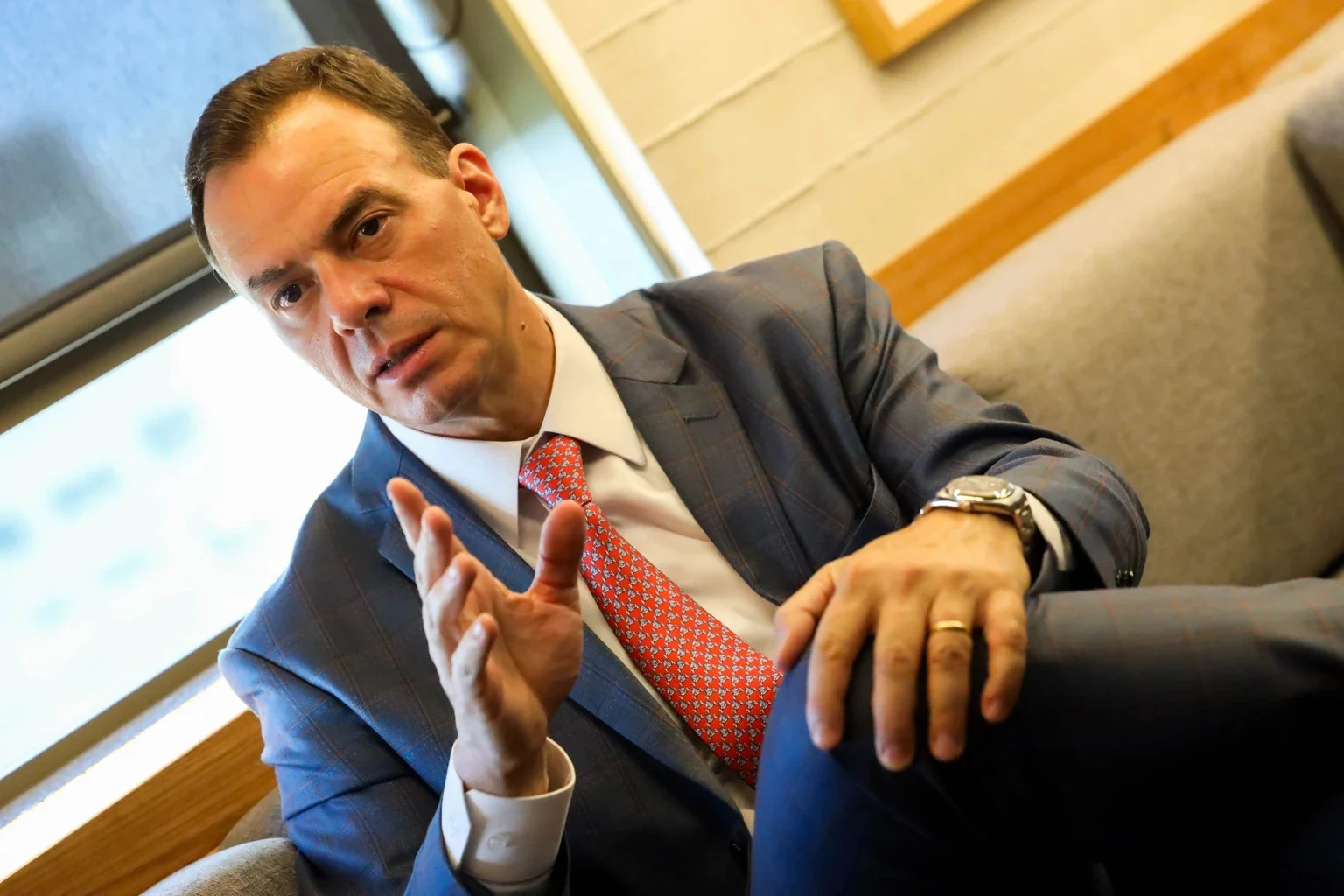
In a recent discussion, Plínio Lemos Jorge, President of the ANJL, emphasized the rapid growth of Brazil's betting industry, noting a substantial rise in revenue collected in the first five months of this year. He stated, "We went from BRL3.1 billion ($620 million) between January and May 2025 to BRL5.89 billion this year." This increase underscores the economic and social significance of the legalized betting market, which yields tax benefits for society.
Lemos Jorge suggested that June's figures, which are yet to be released, likely received a boost from the World Cup. He remarked, "It was the first World Cup played with the Brazilian market already regulated. Football brought consumers closer to responsible entertainment platforms."
Throughout the tournament, authorized operators adhered to strict regulations. Lemos Jorge mentioned that the SPA enhanced integrity, advertising, and communication requirements prior to the event. He believes these standards are vital for the sector's longevity.
He also pointed out effective in-person engagements at bars, restaurants, and fan initiatives that helped digital brands create impactful experiences beyond online interfaces.
The new federal advertising regulations are perceived by Lemos Jorge as an additional layer of protection for bettors and operators. He advocates for clearer and more responsible advertising, positioning the betting sector at a critical juncture. Conversely, he criticized municipal bans on advertising in public areas, arguing that advertising regulation should be under federal jurisdiction. He warned, "Divergent local rules could create legislative confusion and legal uncertainty for operators."
With elections approaching, political scrutiny on betting companies is expected to intensify. Lemos Jorge urged the industry to remain sturdy and committed to responsible gaming. He projected, "Once this turbulent period passes, we believe the market will likely face less criticism."
Addressing the ongoing challenge of illegal betting websites, Lemos Jorge asserted that these platforms remain a significant threat and could proliferate if regulations render the legal market unfeasible. He stressed the importance of vigilance, stating, "We cannot let our guard down. What encourages us is that the government, as a whole, has recognized the need to combat this issue."
Lemos Jorge discussed the industry's performance in relation to recent events, noting the Federal Revenue Service has yet to release first-half figures, but indicated that revenue from January to May saw a notable rise. "This jump highlights the growth of the regulated sector given the benefits it brings to Brazilian society through tax collection," he said.
Regarding the impact of the World Cup on revenue, Lemos Jorge anticipated a significant contribution but acknowledged the lack of official data for June thus far. He pointed out that fan engagement during the tournament was at its peak, as Brazilians passionately followed soccer amidst a newly regulated market.
When asked about adherence to regulations during the World Cup, he confirmed that all operators licensed by the Ministry of Finance operate within a strict regulatory framework. These regulations include Law No. 14.790/2023 and guidelines from the SPA.
The SPA maintained a focus on sector integrity leading up to the event, issuing specific rules one week prior related to communication and advertising for betting operators.
Highlighting successful practices, he praised the collaboration between betting firms and local businesses as a major positive during the World Cup, underscoring the need for transparency and common sense in operations to benefit consumers and businesses alike.
With respect to the advertising scrutiny during the World Cup, Lemos Jorge acknowledged ongoing criticism directed at the industry which he attributed to competitive sectors perceiving betting companies as threats. He noted, "Any potential lapses during the World Cup will be addressed by Conar, the SPA itself, and, if necessary, Senacon."
The ANJL welcomes the recent advertising measures, envisioning them as protective enhancements that foster greater transparency and safety in the market. He described the new mandatory elements in advertising as likely to contribute positively to the industry.
On the municipal bans on advertising, Lemos Jorge criticized these moves as legal misinterpretations, asserting that such regulations should fall under federal authority as stated in the Constitution. He emphasized that varying advertising laws across numerous municipalities could lead to legislative confusion.
He called for an aligned self-regulatory approach within the industry to foster better public understanding of advertising practices. It was reiterated that the rigorous self-regulation framework developed by ANJL, IBJR, and Conar is effective and straightforward.
Reflecting on the electoral climate, he noted that the industry has been used as a scapegoat by leading candidates, urging his peers to navigate the process with resilience. He remains hopeful that, post-elections, the market will be more integrated into Brazil's economy and less targeted by criticism.
Finally, Lemos Jorge recognized that illegal websites continue to dominate nearly half of the online betting market in Brazil. He warned that this could worsen with new initiatives that threaten the viability of the regulated sector. "We cannot let our guard down; the fight must continue," he reiterated, noting the government's acknowledgment of this critical issue.

