
As the World Cup concludes, sportsbooks face a pressing question: where do the bettors go once the final whistle blows? This summer, many new customers ventured into sports betting primarily for the World Cup, often placing their first deposits. They engaged with group games and tournament brackets, but once the final match passed, many found themselves staring at a betting board that had moved on to mid-season sports and other unfamiliar competitions, leaving them in a lurch after the excitement of the tournament.
With total bets for this World Cup projected to exceed $50 billion, a significant jump from $35 billion in the 2022 Qatar World Cup according to Reuters, sportsbooks welcomed an influx of new patrons. Each new customer came with associated acquisition costs—bonuses, boosted odds, and media spending—and the challenge now is to turn these first-time bettors into repeat customers.
Recent insights from the UK Gambling Commission, which tracked World Cup bettors for three months post-2022 final, shed light on future betting behavior. Though the study is four years old, it offers valuable data for operators in shaping their strategies.
Among approximately 100 new bettors who hadn’t wagered on football prior to the tournament, around 70% remained active three months later, yet less than half stuck with sports betting. The remainder shifted to other gambling products, highlighting a significant transition in their betting habits.
The overall trend suggests that while football betting sharply declined following the tournament, overall betting activities remained stable or even increased. The 2022 World Cup final took place mid-season, coinciding with ongoing European league matches, yet the influx of tournament bettors seemed more interested in diversifying their betting experiences.
For sportsbooks, these findings present a unique opportunity. The enthusiasm these bettors bring often extends beyond the World Cup, seeking new betting avenues wherever they may arise. Operators stand to benefit from retaining customers beyond their initial investment, as each retained bettor contributes significantly to profit margins.
Retention strategies need to focus on content that resonates with customers, particularly those preferring familiar formats. Basic reactivation tactics, such as emails and free bets, will only yield results if paired with offerings that align with the customers' interests. Research indicates that many sportsbooks offered a board more typical of seasoned bettors, rather than catering to the new demographic excited by football.
To effectively retain these bettors, what they need are engaging, quick bet options without the burden of learning new formats or statistics. For instance, Oddin.gg’s Penalty Arena serves as an innovative concept, creating a continuous market around penalty kicks, allowing bettors to engage in rapid-fire actions with results delivered swiftly, minimizing the need for extensive knowledge.
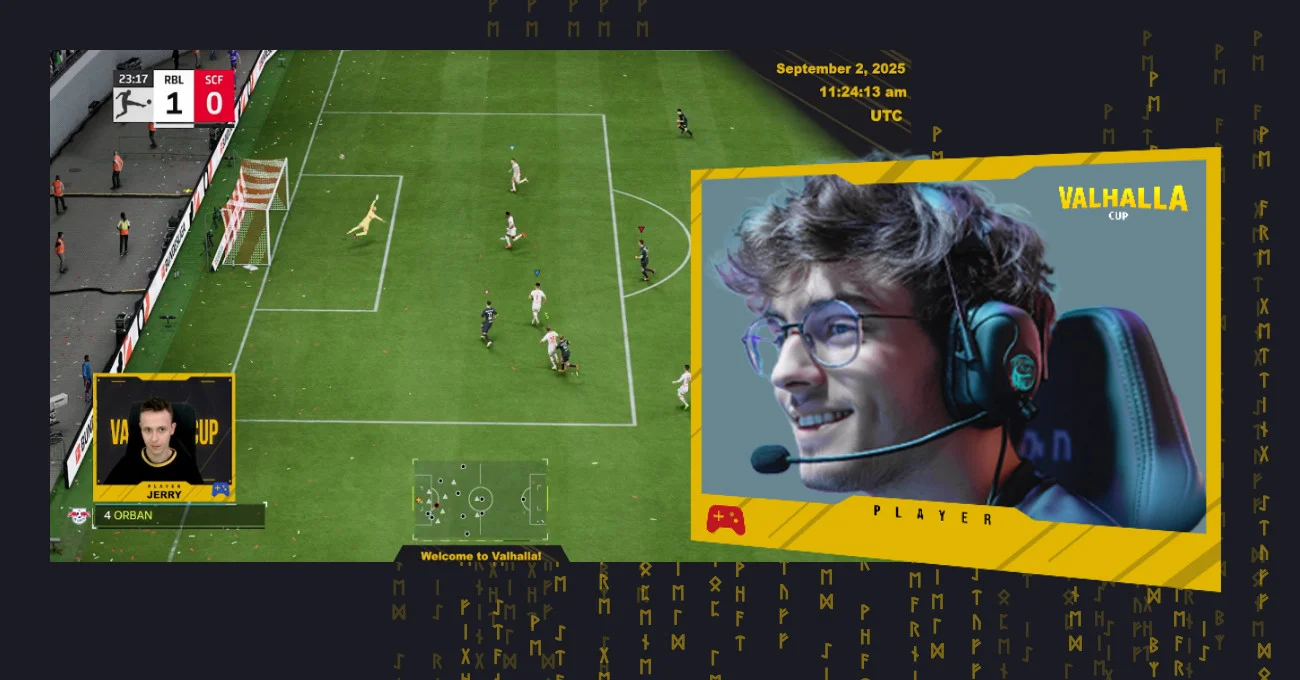
For those craving the full match experience, Oddin.gg’s eFootball provides fast-paced electronically simulated games featuring player versus player matchups that launch every few minutes. This model extends across various sports, including eBasketball and eCricket, ensuring that fans can remain engaged year-round, even when traditional sports slow down.
Furthermore, the rise of esports adds another dynamic. With numerous games hosting their own seasons and tournaments, and the Esports World Cup featuring 25 tournaments across 24 titles over a short span, there’s always action available. Formats like Oddin.gg's Counter-Strike 2 Duels and Dota 2 Duels maintain consistent markets, stabilizing sportsbooks' overall revenue irrespective of peak seasons in traditional sports.
Esports also taps into a youthful audience, primarily Millennials and Gen Z, who often don’t overlap with traditional sports fans, thereby expanding the revenue base for operators. For this demographic, the end of a football tournament has little effect on their betting habits.
As the summer wave of bettors subsides, the lesson from the 2022 research suggests that a substantial portion continues to engage with betting. The ability of sportsbooks to hold onto these customers will largely depend on the content they provide next. By offering familiar and quick betting options year-round, sportsbooks can effectively turn a record quarter of new acquisitions into sustained revenue. Oddin.gg’s comprehensive solutions aim to facilitate this conversion, keeping offerings lively and attractive for current and future bettors.

