
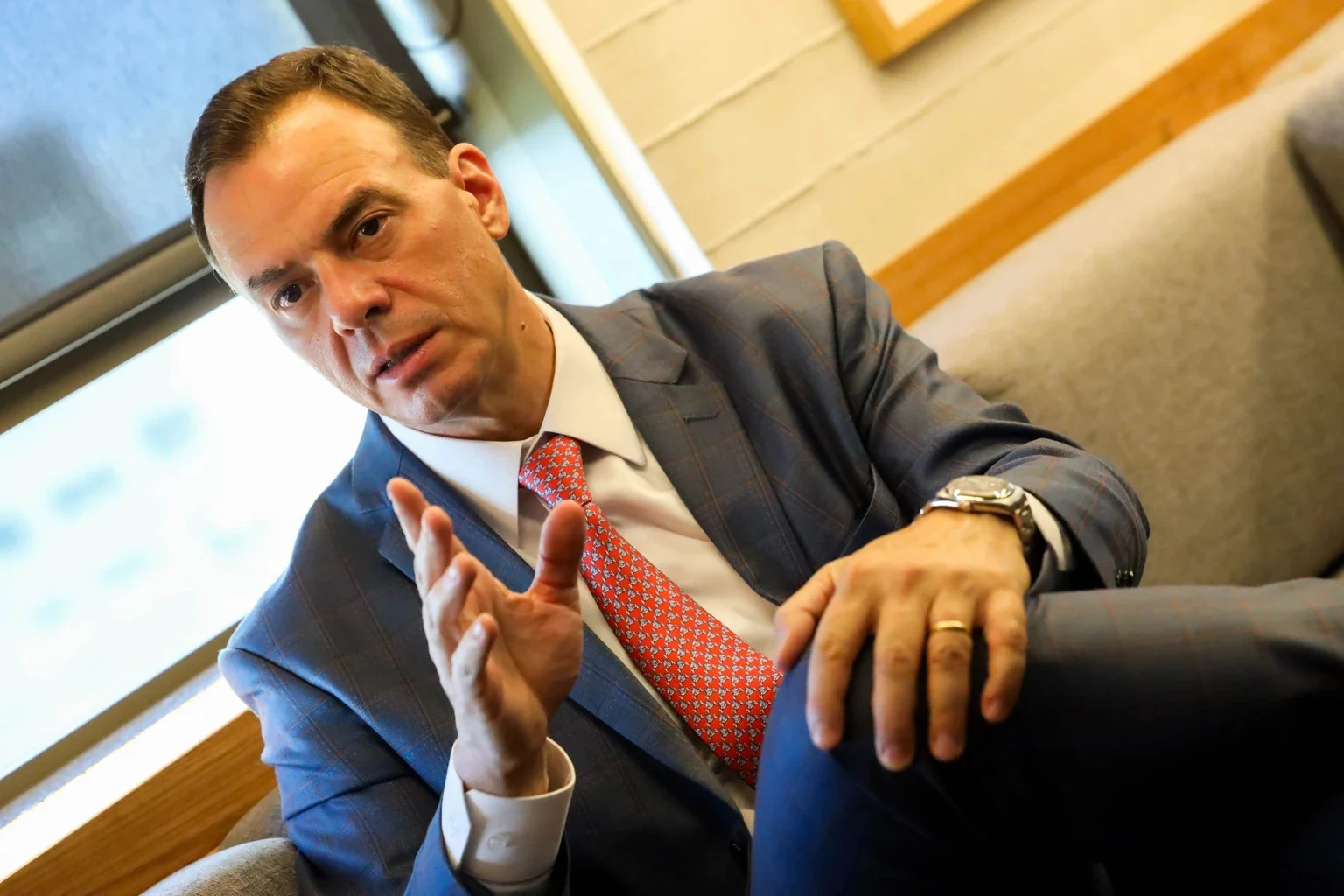
In a recent discussion, ANJL President Plínio Lemos Jorge emphasized the substantial growth of Brazil's betting industry, which has seen a notable rise in revenue during the early months of this year. "We went from BRL3.1 billion ($620 million) between January and May 2025 to BRL5.89 billion this year," he stated, highlighting how these figures underscore the economic and social significance of a legal betting market.
Lemos Jorge believes the upcoming revenue figures for June will further reflect this increase, attributing part of this growth to the World Cup, which was the first held under Brazil's regulated betting market. "Football brought consumers closer to responsible entertainment platforms," he noted.
He pointed out that licensed operators followed strict guidelines during the tournament, with the SPA reinforcing rules on integrity along with advertising and communication standards prior to the event. "This is crucial for the sector's sustainability," he added.
The president also mentioned various initiatives, including activations in bars and restaurants, that strengthened connections between digital brands and fans.
With regard to new federal advertising regulations, Lemos Jorge views these measures as beneficial for both bettors and operators. He advocates for clearer, more responsible advertising, but critiques municipal bans on public advertising, asserting that such regulations create inconsistency and uncertainty for operators. "Divergent local rules could create legislative confusion and legal uncertainty for operators," he indicated.
As political dynamics shift toward the upcoming elections, Lemos Jorge anticipates increased pressure on the betting sector. However, he believes that maintaining resilience and a focus on responsible gaming will pave the way for a more favorable outlook once the election period concludes. "Once this turbulent period passes, we believe the market will likely face less criticism," he expressed.
A significant hurdle remains illegal betting websites, which could proliferate if regulatory challenges make the legal market less viable. Lemos Jorge has a clear stance: "We cannot let our guard down. What encourages us is that the government, as a whole, has recognised the need to combat this issue."
In a conversation about the sports betting sector's performance early in 2026, Lemos Jorge reiterated that the Federal Revenue Service has yet to release complete figures but noted the significant revenue increase observed in the first five months of the year as indicative of a robust regulated market.
On the impact of the World Cup itself, he stated, "We do not yet have the official market figures for June, but the World Cup will certainly have a significant impact on the results achieved during that period." He believes that the event allowed Brazilian fans to engage with the entertainment provided by the sports betting sector.
Regarding the adherence to regulations during the World Cup, Lemos Jorge affirmed that all authorized operators complied with strict frameworks set forth by authorities, including Law No. 14.790/2023 and directives from the SPA. "The SPA underscored its commitment to the sector’s integrity and responsibility," he commented.
He recognized the positive practices that emerged during the World Cup, particularly the physical activations from betting companies that engaged fans and fostered connections beyond digital platforms.
Despite some criticism regarding World Cup advertising, Lemos Jorge feels these critiques are often based on misunderstandings from those outside the industry. He explained that any identified lapses could be dealt with by the appropriate oversight bodies, including Conar and the SPA.
The new advertising regulations, according to Lemos Jorge, will enhance safety and responsibility in the market, fostering better communication for operators and bettors alike.
Yet, he expressed concern over city-level advertising bans, asserting that such measures contradict federal law, which reserves advertising authority solely for the national government.
The industry, he posits, has a robust self-regulatory framework in place, and the foundation laid by ANJL, IBJR, and Conar is straightforward and effective.
Looking ahead, Lemos Jorge acknowledged the electoral pressures the sector faces, noting that the industry must stay committed to ethical gaming practices. He believes that as the market becomes increasingly integrated into Brazilian society, scrutiny will diminish.
Lemos Jorge confirmed that illegal websites still dominate nearly half of the Brazilian online betting space and may expand if new regulatory constraints hamper the legal market's viability. He remains steadfast, stating, "The fight must continue. We are pleased that the government has recognized the need to combat this issue."
In partnership with Anatel, the SPA is now collaborating to monitor the betting market, ensuring a concerted effort to tackle illegal activities effectively.

