
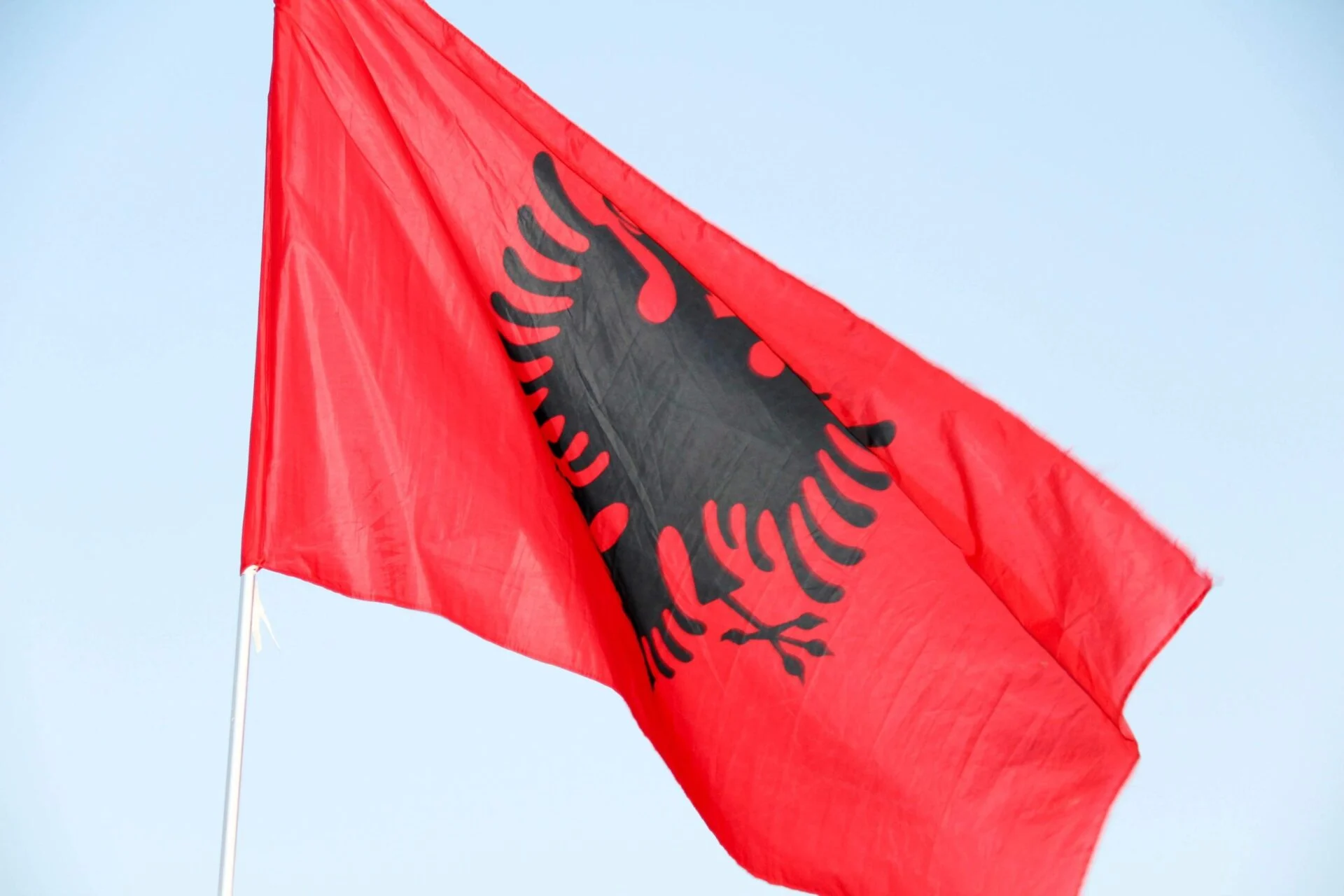
For the past seven years, Albania has enforced a strict ban on sports betting, with a complete prohibition on betting halls, slot machines, and online gambling since 2019. Despite this, the unregulated sports betting market estimated a gross gaming revenue (GGR) of $126 million last year, which may present a lucrative opportunity for international operators, though the possibility of effectively channeling this market remains uncertain.
In July, the Albanian government revealed that it had finalized a new framework for partially reopening the sports betting market. Following the completion of the licensing process, up to ten online operators will be permitted to accept bets from consumers in the country.
This shift has been anticipated for some time. In 2022, Prime Minister Edi Rama acknowledged the resilience of the betting economy despite the ban, stating, "We are talking about taking this activity out of the black economy and bringing the profits into the light, because nobody can block it – not even China."
However, the details of the new regulations have taken over two years to clarify after legislation was passed to reopen the market in 2024. Several questions remain, including the timing of the first licensing round, the number of licenses to be issued, and whether the five-plus years of prohibition have dampened the public’s enthusiasm for betting.
The sports betting ban was enacted in 2018 when Albania’s betting industry had an annual turnover of €700 million, with 4,000 betting shops serving a population of just over 2.8 million residents. Hendri Hanaj, a lawyer and founder of Hashtag Lawyers, explained the situation, saying, "There were a lot of betting offices in Albania – everywhere, near schools and in local neighborhoods. The government was forced to do something because it was getting out of control."
The rapid growth of the sector alarmed politicians, who feared addiction issues and the effects on low-income families. Prime Minister Rama highlighted the need for action against what he termed the deep-rooted "evil" related to widespread betting, emphasizing the government's commitment to combating these problems in parliament before the vote to ban betting.
The ban did not eradicate betting; it merely pushed it underground. Initial estimates from Gambling Compliance International suggested that Albania's unregulated sports betting market generated approximately $117 million GGR in 2024, climbing to $126 million in 2025. Including online casinos and poker, the total unregulated GGR reached about $229 million last year.
Moving forward, Prime Minister Rama indicates a desire to avoid a return to the chaotic environment of retail betting. Under the new regulations, only online betting will be allowed, while physical betting shops and slot halls will remain illegal, and casinos will be limited to select five-star hotels.
Entry into the market will be tightly regulated, allowing "up to" ten licensees as determined by the Licensing Commission once the application process begins. This means a limited number of operators will start, allowing the government to observe how the regulated market develops.
The government anticipates that the new framework could generate around ALL2 billion (€20 million) in annual public revenues, allocating 15% of GGR to a specific fund supporting culture, sports, technology, and innovation. However, Hanaj believes that the prolonged ban may have lessened public enthusiasm for sports betting, stating, "There is an appetite for sports, but it has faded over time."
As the proposed framework takes shape, traceability and oversight will be pivotal. Participants must register online using a national ID card, while cash betting will not be allowed. Only payments processed through Albanian banks or licensed payment providers are permitted. Operators must maintain records of all transactions for a minimum of three years and enforce a national self-exclusion register, enabling family members to request that individuals be barred from gambling.
Players will also need to be informed about gambling risks and their odds of winning, yet currently, Albania lacks dedicated counseling or rehabilitation services for gambling.
The government has established guidelines for suspending and revoking betting licenses, permitting a suspension period of 30 days to two years for operators violating licensing rules multiple times within three years. Continued violations may lead to a license revocation. In addition to a 15% GGR tax for the special fund, operators will also pay the regular corporation tax of 15%, local taxes, and a license fee determined by bids, starting at ALL400 million (€4 million), payable over the 10-year licensing term.
Operators seeking to enter the Albanian market must meet strict criteria, including being registered as a joint-stock company in Albania, demonstrating experience in at least three EU or OECD markets, exhibiting a turnover of at least ALL2 billion (€20 million) in the previous financial year, and possessing a minimum share capital of ALL40 million (€400,000). Licenses will be granted based on a points system, favoring substantial international operators aligned with the government's goal of introducing experienced firms.
As of July 2026, following two years of regulatory discussions, all eight implementing regulations have been finalized. However, the exact timeline for market implementation remains unclear, with the Ministry of Finance yet to clarify when the first licenses will be awarded. With ambitions for EU accession by around 2030, licenses may be issued in the near future, although it remains uncertain how many of the ten licenses will be available and if the legalized market can effectively sustain more than a few companies. Hanaj emphasizes that the low costs associated with establishing a betting site and manageable license fees may appeal to large international operators, despite Albania's shrinking population and economic challenges.

