
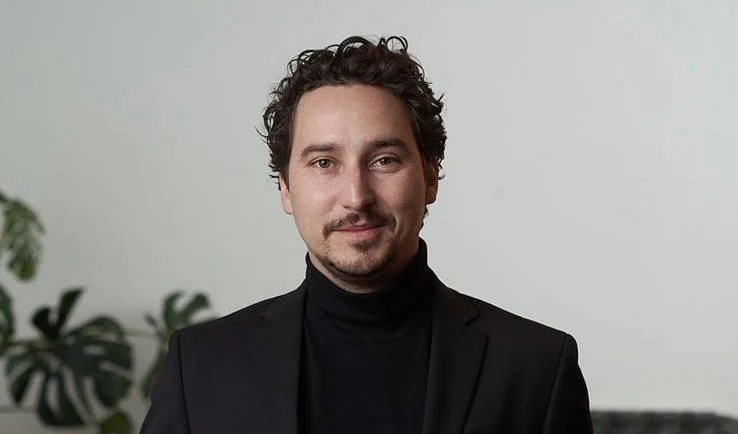
For five years, Niklas Sattler, a former executive at Casinos Austria, has been preparing a bid aimed at shaking up Austria's stagnant land-based casino landscape. Through his company, Alea Trust, he has assembled a team of prominent casino executives and industry specialists, creating a strong management team ready to rival Casinos Austria, his former employer, in the upcoming tender for land-based casino licenses.
Sattler expressed his dissatisfaction with the industry's outdated image, stating, "This old-school image of the industry – I don’t like that. So I said, let’s refresh the industry and let’s jump inside the tender. Let’s do it ourselves." Since 2021, he has recruited around 40 ex-managers from Casinos Austria and other global casino brands, laying the groundwork for a bid that aims to revitalize the sector.
While he respects the legacy of Casinos Austria, he believes the company has suffered from a loss of expertise. He noted, "Casinos Austria has a track record as a company, but they’ve lost a lot of expertise over the years. Our idea was to find the top experts in AML, responsible gambling, finance and casino operations and build a team that could compete at the very highest level."
As Austria prepares to initiate its first major casino tender in years, Sattler is optimistic that the time may be right for a fresh approach in the aging industry. However, the structure of the planned 13 casino licenses will significantly influence his decision to proceed. He wonders if the process will genuinely allow new competitors or show favoritism towards the current market leader.
For decades, Casinos Austria has dominated the nation's casino sector, holding the sole operating rights to two sets of 15-year licenses, which include six in urban areas (known as the Stadtpaket) and six in tourist destinations (the Landpaket).
A draft bill released in June by Austria’s coalition government proposed extensive reforms in the gambling sector, including the opening of the online gaming market and the introduction of 13 casino licenses rather than the current 12. These licenses may be divided into packages that the Finance Ministry plans to determine based on an objective assessment of demographic data and commercial potential.
The Ministry emphasized that all market players would be eligible to apply. Sattler advocates for individual licenses rather than packages, arguing, “Our idea is: let’s make 13 single licenses. That means you could apply for just one.” However, it appears Casinos Austria favors retaining the package system, with suggestions they may propose one package of six and another of seven to allow larger competitors like Merkur entry while possibly sidelining smaller operators.
The casino industry and its regulations pose challenges for new entrants due to the historical preference for packages. Casinos Austria maintains that the package system is necessary to optimize coverage across varying economic conditions and tourism opportunities while minimizing aggressive marketing practices.
"Only a carefully designed package solution can guarantee all of this," said Patrick Minar, a spokesperson for Casinos Austria, adding that individual tenders might encourage "cherry-picking" of licenses.
The exact structure of the tender remains uncertain as the government prepares for its next steps. Legal experts suggest that the inclusion of packages in the new legislation might lean towards maintaining the status quo, a concern echoed by Nicole Daniel, a partner at DLA Piper. She cautioned that new entrants might face disadvantages depending on how the criteria for geographic and economic evaluations are applied.
Arthur Stadler, a legal expert in Vienna, emphasized the importance of a careful and diligent tendering process to avoid previous missteps. He remarked that the loose wording in the draft could lead to differing interpretations regarding license packaging, risking transparency issues that have marred past tenders.
Further complicating the landscape is the proposed extension of concessions for urban casinos until the end of 2028, with potential for further extensions if no replacements are procured. Critics fear this could prolong incumbent operations, stifling new competition, particularly as the legal framework surrounding licenses remains convoluted.
Sattler, a third-generation casino professional, believes the casinos must align more closely with the society they serve. He envisions a model that reinvests in local communities, stating, "Our vision is much more about giving something back to players and to the community. We take revenues, yes, obviously, but we have to do something for the regional community – investments or sponsorships – and work in the proper balance."
The question remains whether increased competition fosters a socially responsible structure. Casinos Austria argues that reduced competitive pressure heightens operational standards; however, Sattler believes diverse operators would help keep standards elevated.
As the gambling reform bill moves through the political process, clarity on the tender's specifics remains elusive. The consultation period ended on July 15, and the government aims to have legislation passed by year-end, with the tender process potentially starting in early 2027. Yet, with tender documents still unseen, key aspects such as evaluation criteria could prove pivotal and contentious.
For Sattler, the fairness of the tendering criteria will determine Alea Trust's participation. "We’re only going to enter the tender if the criteria are fair and safe and abide by European Union standards," he stated, lamenting that a non-fair process would shatter years of effort in pursuing this opportunity.

