
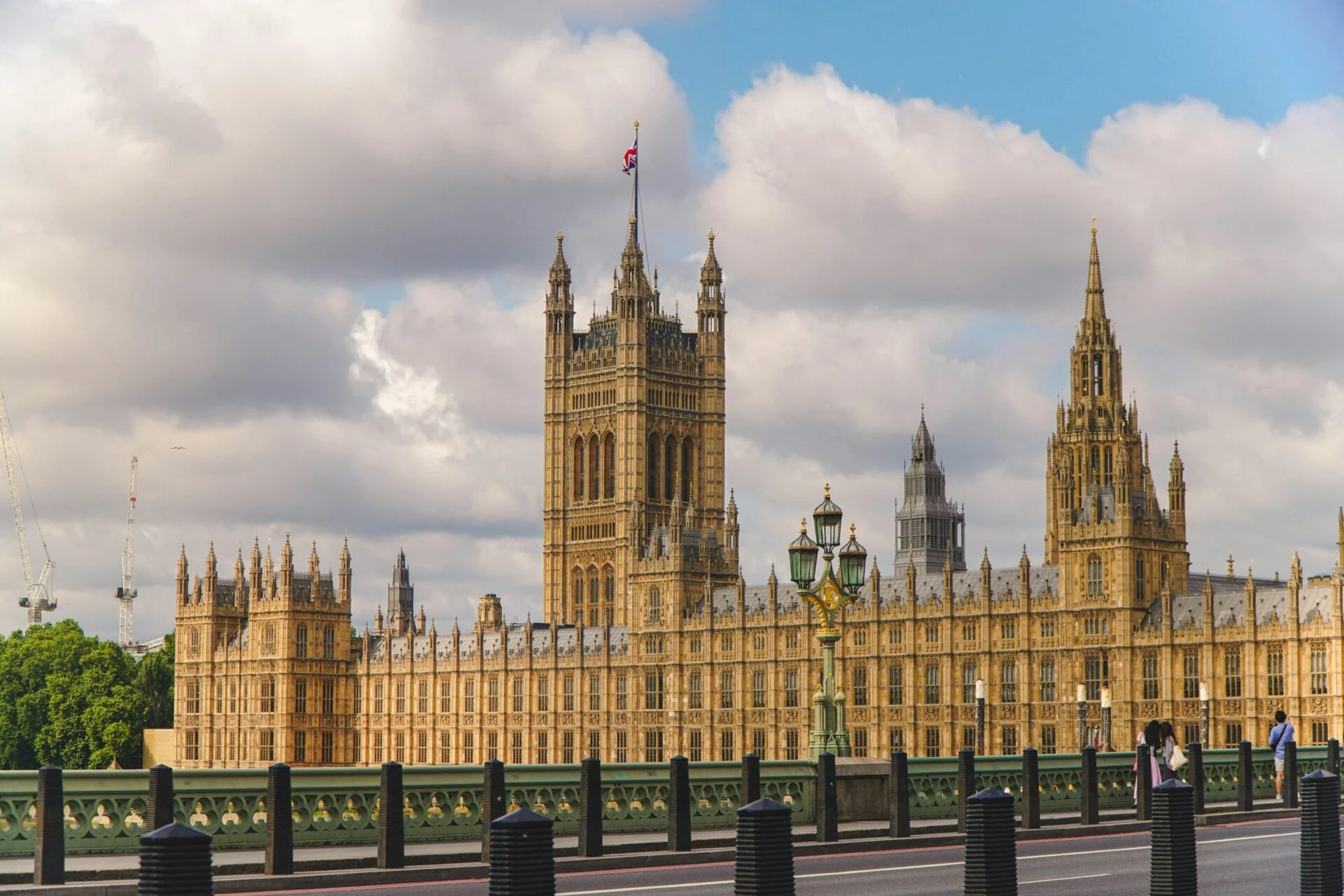
The House of Lords has released a new report recommending a near-total ban on gambling advertising throughout the UK, aiming to address gambling-related harms, particularly among children and vulnerable populations. Published on September 17, this follow-up report from the House of Lords Liaison Committee builds on their 2020 inquiry into the social and economic impacts of the gambling sector, focusing primarily on advertising, marketing, and sponsorship.
The committee asserted that evidence justifies significant action against gambling advertising, emphasizing a comprehensive ban as the best way to reduce exposure and prevent problem gambling. They highlighted gambling harm as a major public health issue, referencing the Gambling Commission's Gambling Survey for Great Britain (GSGB), which indicates that between one and 1.5 million adults in Great Britain exhibit problem gambling behaviors based on their scores on the Problem Gambling Severity Index (PGSI).
The PGSI ranks individuals with scores of 0 or between 1 and 3 as low-risk, those scoring between 3 and 7 as moderate risk, and scores of 8 or higher as indicative of problem gambling. Despite pushback from industry commentators regarding the GSGB and its methodology, the committee maintains that the data reflects a serious concern.
The report traces the rise of unrestricted gambling advertising back to the Gambling Act of 2005, which significantly loosened restrictions on advertising for licensed operators. Before this legislative change, UK television and radio advertisements were limited mainly to bingo, football pools, and the National Lottery. Since then, spending on gambling advertising has surged to an estimated £1 billion to £2 billion annually.
The committee noted compelling evidence linking increased gambling advertising with greater participation rates and associated harms. Lord Ponsonby of Shulbrede, the committee chair, pointed out the rapid growth in online marketing techniques has necessitated a reevaluation of policies, as earlier recommendations remain largely unaddressed.
To address these issues, the committee called for a public health approach to regulating gambling advertisements, criticizing the current reliance on self-regulation and the Advertising Standards Authority (ASA). They proposed placing advertising regulation under the jurisdiction of the Gambling Commission, empowering it to enforce stricter rules and limit problematic advertising practices.
Currently, advertising is monitored by the ASA under the CAP 16.1 code. For instance, Midnite, a gambling operator, recently faced its third ASA ruling, which required it to remove a TikTok advertisement featuring a character that appeared underage.
The report specifically cited various marketing practices as concerning, including direct marketing methods like emails and messages, which studies have shown can be linked to increased betting activity and associated risks. For instance, Dr. Philip Newall from the University of Bristol noted that research indicated opting out of direct marketing led to lower gambling expenditure and harms among participants.
The committee recommendation includes banning all direct marketing by operators and affiliates, aside from essential account communications. They also suggested prohibiting inducements such as free bets and sign-up bonuses, as these promotions drive betting engagement.
The issue of sponsorship in sports was addressed as well, with the committee finding that voluntary self-regulation had been ineffective in minimizing exposure. Dr. Matt Gaskell MBE remarked that voluntary measures, such as the Premier League's ban on front-of-shirt gambling sponsorships, have not sufficiently reduced the industry's advertising impact, as branding continues to appear on training kits and in stadiums.
The committee's previous recommendations from 2020 included banning gambling ads on team shirts, training kits, stadium advertising, and broadcasts, although horse and greyhound racing advertising was exempt from these restrictions. They dismissed concerns that tighter advertising rules would push consumers toward illegal gambling sites, citing evidence indicating that advertising restrictions do not lead to a significant migration to unregulated operators.
As this report emerges, it coincides with the UK's 2023 white paper on gambling reform, which proposed a statutory levy to fund research and treatment related to gambling harms. A group of cross-party MPs has recently labeled gambling advertising a "public health issue," reinforcing the call for better protection for children and young people against gambling marketing tactics.
Meanwhile, the Department for Digital, Culture, Media and Sport has appointed a research fellow to examine innovations in online gambling advertising, including the role of content creators. The Lords committee, however, has cautioned that such research should not impede necessary policy changes regarding gambling advertising regulation.

