
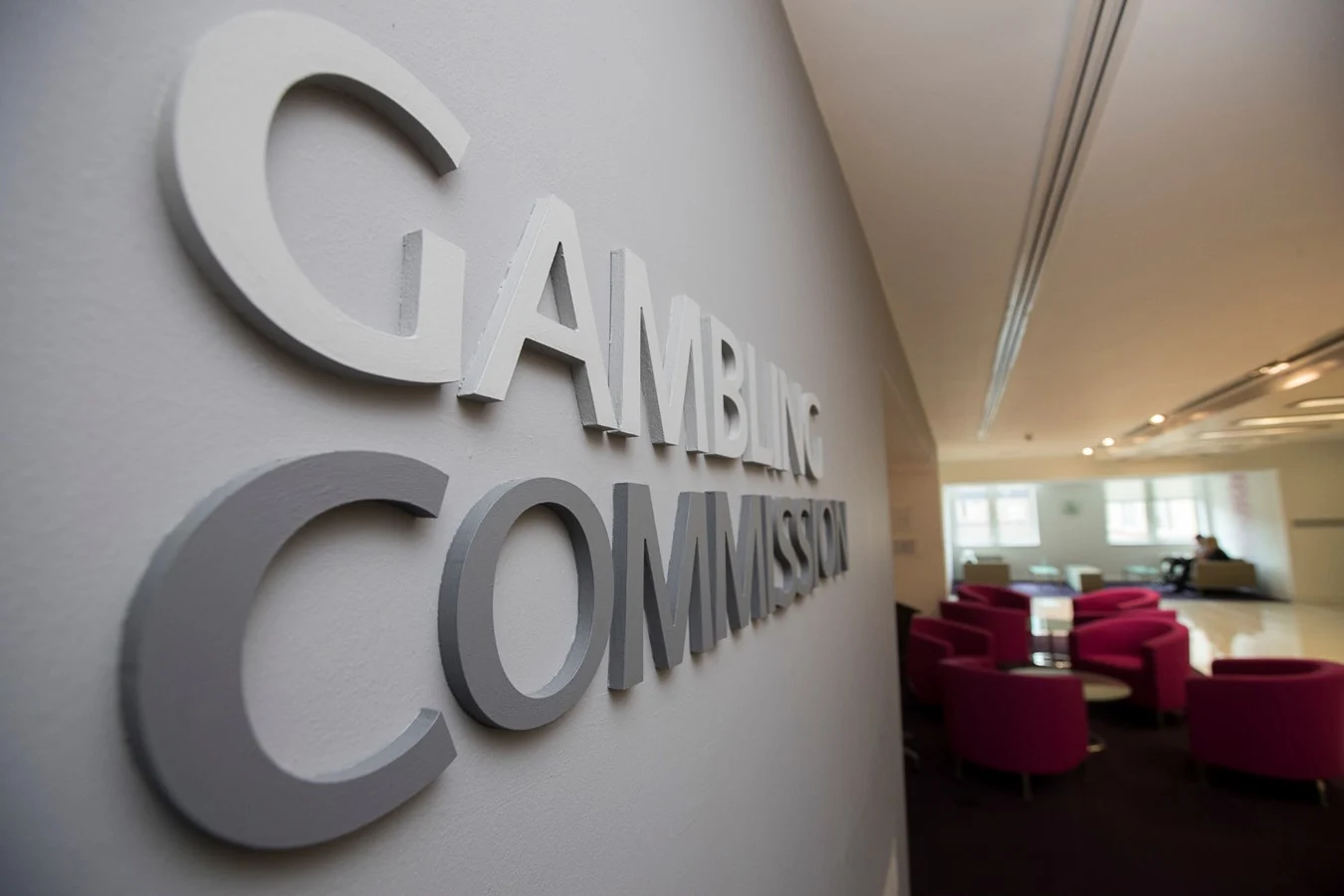
The Gambling Commission has suspended the operating licenses of BresBet Ltd and Bet St George Ltd, citing potential breaches of social responsibility regulations and anti-money laundering (AML) controls. This action took effect on 28 August 2026, following the Commission's initiation of formal license reviews in accordance with section 116 of the Gambling Act 2005.
The reviews were triggered by preliminary inquiries that raised concerns about BresBet, which operates the bresbet.com platform, and Bet St George, responsible for betstgeorge.com. The Commission stated that the suspensions would remain in effect until the operators effectively address the compliance issues identified.
Both companies are mandated to ensure fair treatment of customers during the suspension and must keep them updated on any changes that may affect them. Importantly, customers can still access their accounts and withdraw funds, and both websites remain operational for inquiries.
BresBet has been active in the UK market since 2021, while Bet St George debuted earlier this year. Nic Brereton serves as the director for both entities. In March, Brereton acknowledged the difficult climate for UK bookmakers due to impending tax increases but expressed optimism about finding success with the right branding and service costs.
Bet St George’s license suspension follows just six months after its launch. Although they are separate private companies, both share office space and, until recently, a director. Sarah Laycock, managing director of BresBet since 2025, resigned earlier this month and also stepped down from her role at Bet St George on the same day. Brereton had previously resigned from BresBet in 2021 but was reappointed in 2023.
In a report released last month, the Gambling Commission highlighted ongoing AML and terrorist financing risks linked to operator failures. The report indicated widespread deficiencies in AML/CTF policies and controls and identified poorly trained staff as a significant issue. It also pointed out problems with AML thresholds and inadequate monitoring of linked or duplicate accounts.
Recently, QuinnBet was fined £609,104 ($830,501) due to similar AML failings. Critics within the industry have challenged the Commission’s tendency to impose fines rather than suspending or revoking licenses for compliance infringements. Terry White, a safer gambling advocate, emphasized that temporary trading bans would have a more lasting impact on offending companies compared to fines, which they often view as a cost of doing business.

