
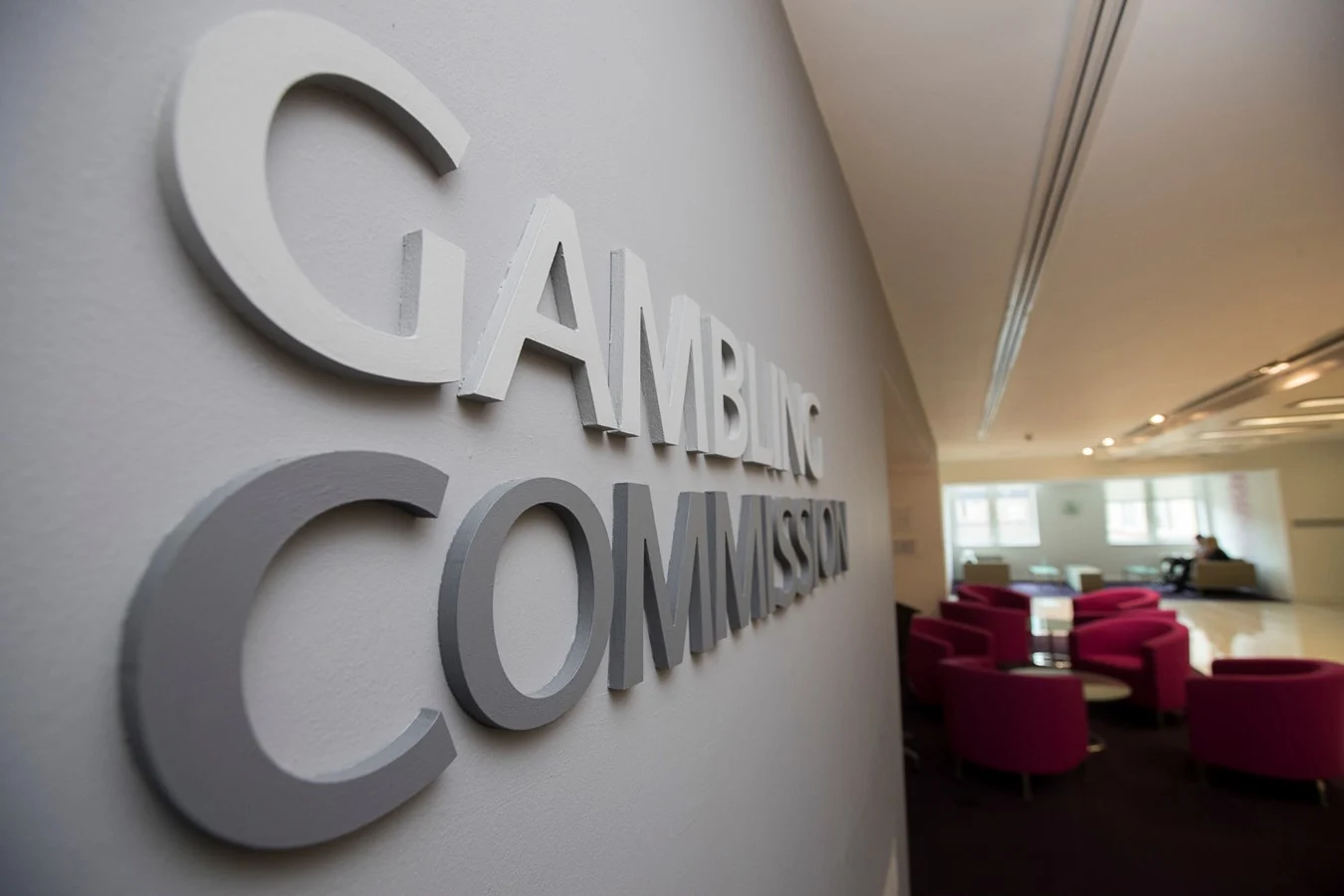
The Gambling Commission has suspended the operating licenses for BresBet Ltd and Bet St George Ltd. The action comes due to suspected lapses in social responsibility measures and anti-money laundering (AML) protocols.
The suspension took effect on August 28, 2026, after the Commission initiated formal license reviews under section 116 of the Gambling Act 2005. These reviews were instigated following initial inquiries that revealed potential compliance issues at BresBet, operator of the bresbet.com platform, and Bet St George, which manages betstgeorge.com.
The Gambling Commission stated that these suspensions will remain until the companies address and resolve the noted compliance failures to the regulator's satisfaction. During the suspension, both operators are required to ensure fair treatment of customers and to keep them updated on developments.
Customers will continue to have access to their accounts and can withdraw funds. The companies can still be contacted through their websites.
BresBet has been active in the UK since 2021, while Bet St George launched in the UK market just this year. Notably, Nic Brereton is the director for both companies. In March, Brereton discussed the difficult landscape for UK bookmakers amid anticipated tax increases but also pointed out the potential for a fresh approach in the market. He noted, "It’s a challenging time for bookmakers in terms of launching, but we still feel that if you’ve got the right brand, the right cost of service, you’re willing to try and take a bet, there are still opportunities to have a successful business."
The suspension for Bet St George comes merely six months after its launch. While listed as separate companies, they share office space and had previously shared a director. Sarah Laycock, managing director of BresBet since 2025, resigned earlier this month, stepping down from both roles on the same day. Brereton also stepped down from BresBet in 2021 but was reappointed in 2023.
Last month, the Gambling Commission released a report detailing issues in AML and terrorist financing practices, citing operator-side deficiencies as a significant risk factor. The report identified problems such as deficient AML/CTF policies, inadequately trained staff, poorly defined AML thresholds, and insufficient monitoring of accounts that could be linked or duplicated.
Recently, QuinnBet faced a penalty of £609,104 ($830,501) due to similar AML deficiencies. Industry critics have raised concerns about the Commission’s tendency to impose fines rather than suspending licenses in such scenarios. Terry White, a safer gambling advocate, contended that suspending a company's ability to trade would serve as a stronger deterrent compared to fines. He stated, "When a betting shop or organization is told that they can’t trade in the UK or globally… that’ll hurt them, and they’ll never do it again. But they’ll pay [a fine] all day long. They’re not bothered. It’s the price of doing business."
White emphasized that fines, regardless of their size, do not substantially impact companies that view them as a cost of operations.

