
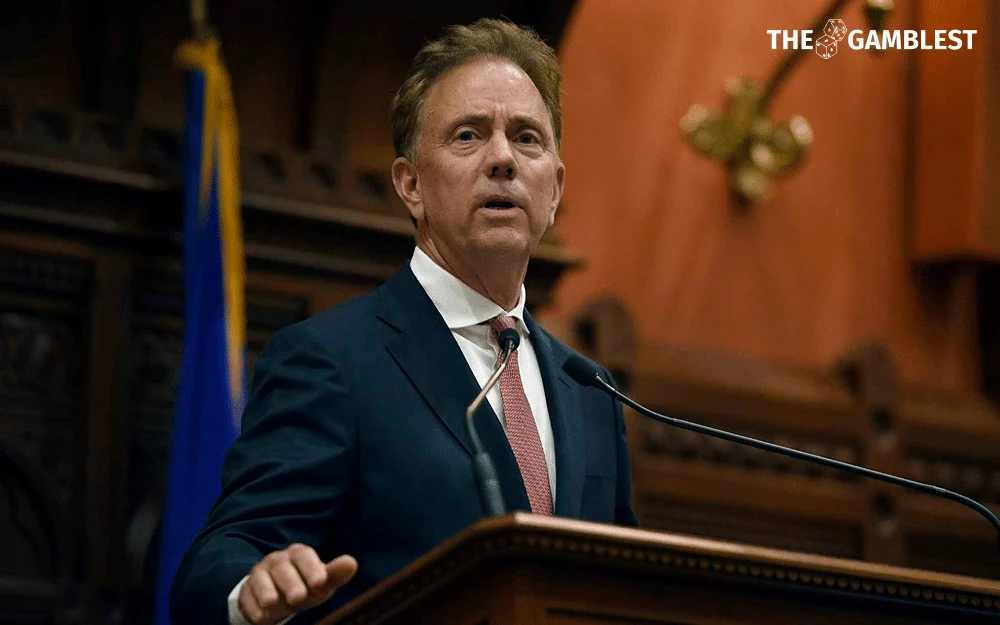
Connecticut has ordered nine prediction-market companies, including well-known names like Polymarket, Coinbase, and Robinhood, to cease their sports betting services within the state. This move is part of a broader effort to tighten regulations on the digital gambling sector. Governor Ned Lamont, along with the Connecticut Department of Consumer Protection, issued cease-and-desist notices instructing these companies to stop promoting their platforms to users in Connecticut. The companies targeted by this order include Polymarket, Coinbase, Crypto.com, Robinhood, ProphetX, Novig, Webull, Gemini, and Underdog Predict.
Failure to comply with the order could result in financial penalties under the Connecticut Unfair Trade Practices Act or potential prosecution for violating state laws.
Governor Lamont emphasized the importance of consumer protection, stating, "Prediction markets have branded themselves as legal and safe, but the reality is they are not adhering to Connecticut’s consumer protection standards and gaming laws, and they are not being truthful when they tell consumers that their activities are legal. When we legalized sports wagering in 2021, the goal was to create a safe, responsibly regulated market for Connecticut consumers, not to open a free-for-all."
State authorities also raised concerns regarding contracts related to college sports, citing a report from the American Gaming Association that anticipates wagered amounts in NFL games via prediction markets to reach $40 billion this year. Furthermore, one company reported a trading volume of approximately $250 million in college football on its first day of operation.
Diana Goode, executive director of the Connecticut Council on Problem Gambling, expressed support for the state's actions. She stated, "We support the state’s efforts, including seeking judicial remedies, when necessary, to preserve the integrity of Connecticut’s regulatory system and ensure that innovation or new terminology is never used to circumvent the protections Connecticut residents deserve."
These enforcement actions follow a legal challenge by Connecticut against Kalshi, aiming to prevent the prediction market from offering any sports contracts without the required license.

