
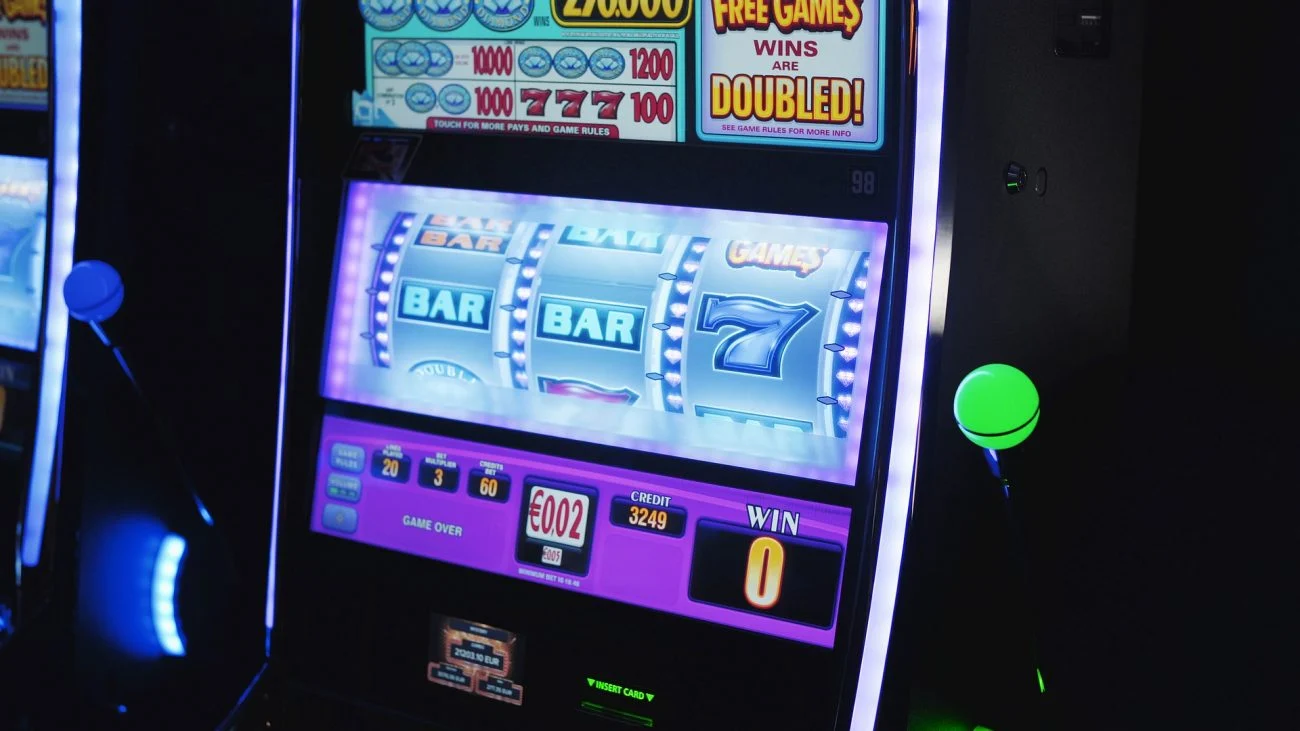
Germany's gambling authority has decided to lift the contentious €1 staking limit for online slot machines, responding to industry requests. Starting this July, licensed online slot operators can raise their stakes above the traditional €1-per-spin ceiling. Although the €1 cap will remain the default legal limit, operators approved by the Joint Gambling Authority of the Federal States (GGL) can now choose to set stakes at €3 or €5 per spin.
However, these increased betting limits will only be available to qualifying players. To be eligible for the €3 limit, players must be 21 years or older. For access to the €5 limit, players need to demonstrate no indicators of problematic gambling behavior in the previous 90 days.
Operators are mandated to conduct specific monitoring of player behavior both preceding and following the increase in stakes. If any signs of harmful gambling behavior arise, operators must take appropriate action, which could involve contacting the player, limiting their gambling activities, or suspending their accounts.
The GGL asserts that these changes aim to align with evolving market scenarios while upholding the objectives of Germany's State Treaty on Gambling (GlüStV). The authority emphasizes the treaty’s focus on maintaining high player protection standards within a regulated gambling market and preventing addiction.
Critics in the industry argue that the increase in stakes reflects a recognition that Germany's online casino regulations have failed to effectively draw players to the legal market.
After a prolonged campaign from industry stakeholders, online operators have welcomed the ruling, with Entain calling it a “positive signal” for the country's licensed market. Simon Priglinger-Simader, Entain's senior regulatory affairs manager for DACH and vice president of the German Online Casino Association (DOCV), expressed optimism about the implications of this decision. "The federal states are showing their readiness to consistently review the practical effects of existing regulations and adjust them as needed to meet the goals of the Interstate Treaty on Gambling," he noted. "We believe this decision will encourage more players to return to the regulated market."
The GGL holds the authority to adjust staking limits based on market transformations, although this decision required approval from representatives of the 16 federal states serving on the authority’s administrative board.
Priglinger-Simader believes this move highlights an increasing awareness that the regulated industry struggles to compete against illegal operations. "The states likely would not have made this change without recognizing the challenges with channeling players into the legal market and the limited offerings currently available," he stated.
The decision comes ahead of a much-anticipated review of the Interstate Treaty, set to conclude by the end of the year. This review, conducted by representatives from the 16 federal states, will be the first thorough examination of the legislation since its implementation in 2021. It aims to evaluate whether the treaty has successfully met its key objectives, including attracting players to the legal market and mitigating problem gambling.
For industry stakeholders, it is clear that the overly restrictive regulations, hefty taxes, and sluggish approval processes have hindered their ability to compete with black market operators. The DOCV claims that the online channelization rate is still stuck in the “mid-double-digits,” which they believe poses risks to player protection.
While significant changes are not anticipated as a result of the review, there is growing recognition among lawmakers of the need to foster a more attractive legal market. Luka Andric, managing director of the German Sports Betting Association (DSWV), remarked that the review has sparked serious discussions about the Interstate Treaty. He stressed the importance of revising or eliminating ineffective rules that have not succeeded in drawing players into the regulated environment.
Priglinger-Simader anticipates that the review could yield mixed results since each of the 16 states is tasked with reviewing different aspects of the law. "Certainly, there will be states where we’ll hear little positive feedback, but on some issues, we hold more optimistic expectations," he commented.
One potential area of reevaluation is online table games, which are not currently allowed but could be considered by a more favorable state. Additionally, the five-second spin rule for online slots, which mandates an average spin duration of five seconds, may also see adjustments. The DOCV is in talks with the GGL regarding the possible flexibility of this stipulation.
Another topic of discussion is the future amendment of deposit limits, which are currently set at a maximum of €1,000 per month. Players who meet certain screening criteria can have this limit extended to €10,000 or €30,000. With past attempts to amend these limits failing to garner enough support, a third proposal might aim for a compromise that allows for higher limits but necessitates more rigorous credit assessments.
Priglinger-Simader warned that a potential outcome could see a return to the flat €1,000 cap. However, for the immediate future, the legal market is celebrating its recent achievement. The DOCV reports that most operators are already taking steps to raise their limits and enhance player tracking measures to ensure customer safety.
The long-term implications of this decision—whether it is merely a single concession or the start of a broader regulatory reassessment—will become more apparent following the outcome of the review. As Priglinger-Simader asserted, “If Germany is genuinely committed to increasing channelization rates, similar adjustments will also be necessary in other areas.”

