
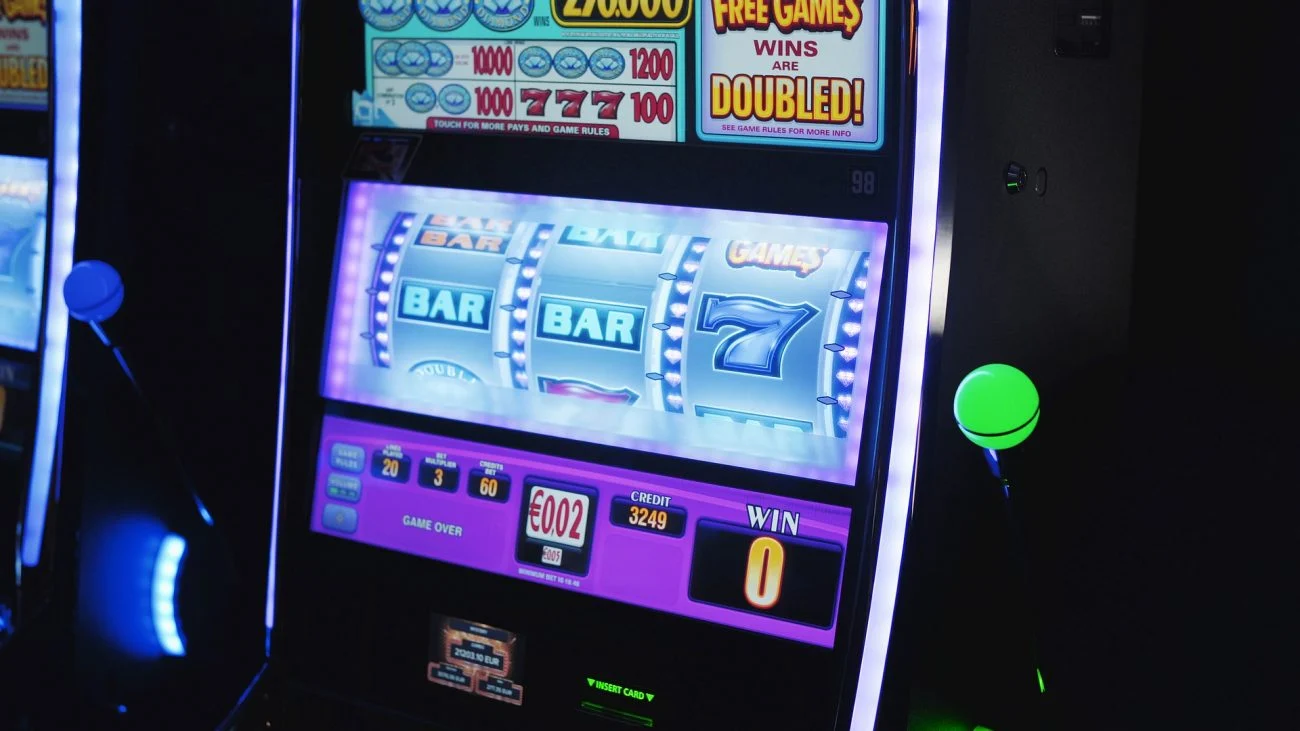
In response to industry demands, Germany's gambling authority has decided to lift the long-standing €1 staking limit on online slot games. Starting this July, licensed online operators can raise their stakes beyond the €1-per-spin threshold. While the €1 cap remains the default, operators authorized by the Joint Gambling Authority of the Federal States (GGL) can increase stakes to €3 or €5 per spin for qualifying players.
Players who wish to stake up to €3 must be at least 21 years old, and those aiming for the €5 limit must demonstrate no signs of problematic gambling in the previous 90 days. To ensure player safety, operators will undertake special monitoring of player behavior, both before and after any stake increases. If indications of harmful gambling are detected, operators are obligated to intervene through methods such as contacting the player, limiting their gambling activities, or even suspending their account.
The GGL indicated that these adjustments are made to align with evolving market conditions while pursuing the objectives outlined in Germany's State Treaty on Gambling (GlüStV). The authority emphasized the treaty's commitment to maintaining high levels of player protection in a regulated gambling market and preventing addiction.
Operators view the increase in stakes as recognition that the current regulations may not be effectively directing players to the legal market.
Entain has hailed the change as a “positive signal” for the licensed market. Simon Priglinger-Simader, senior regulatory affairs manager at Entain Group and vice president of the German Online Casino Association (DOCV), noted the federal states' willingness to review and amend regulations to achieve their gambling objectives.
Under the Interstate Treaty, the GGL can modify staking limits in response to market trends, though any decision requires approval from representatives of the 16 federal states involved in the authority's operation.
Priglinger-Simader pointed out that this change suggests a growing acknowledgment of the regulated industry's challenges competing against the black market.
The timing of this decision aligns with an impending review of the Interstate Treaty, which is set to conclude by the end of the year. This will mark the first scrutiny of the legislation since it took effect in 2021, aiming to evaluate if it has successfully channeled players into the legal market and curtailed problem gambling.
The gaming industry has long argued that excessively restrictive regulations, high taxes, and slow approval processes hinder their ability to compete with illicit operators. According to the DOCV, this has resulted in an online channelization rate in the mid-double-digits, raising concerns about player protection.
While significant structural changes may not be anticipated from the review, lawmakers are reportedly becoming more serious about creating an attractive legal market. Luka Andric, managing director of the German Sports Betting Association (DSWV), stated that the review has prompted meaningful discussions regarding the current framework and its effectiveness.
Andric believes the review should lead to tangible changes, including the recent stake limit increases. He reiterated the need to revise or eliminate ineffective rules that fail to foster a competitive legal market, ensuring that players remain in a regulated environment.
However, Priglinger-Simader cautioned that the review could yield varied results since each of the 16 states is tasked with examining different aspects of the law. There are likely to be states that may not provide positive insights, but there are also topics with more favorable expectations.
Potential modifications could address currently banned online table games and examine the five-second spin rule for slot games, which mandates a minimum average spin speed of five seconds. The DOCV is in talks with the GGL to offer operators more flexibility in this regulation.
An additional area of concern involves the impending amendments to deposit limits, currently capped at €1,000 per month, with higher limits available for select players passing screening. Previous attempts to amend these rules have stalled, but a potential third draft could offer higher permissible limits with strict credit and income checks.
Should the worst-case scenario occur, Priglinger-Simader noted, a return to the €1,000 blanket cap may materialize. In the meantime, the regulated market celebrates its latest victory, with most operators already increasing their limits and implementing player tracking measures for safety.
The broader implications of this decision will be more apparent after the review is released. Priglinger-Simader suggested that similar adjustments will be crucial in other regulatory aspects if Germany intends to enhance its channelization rates long-term.

