
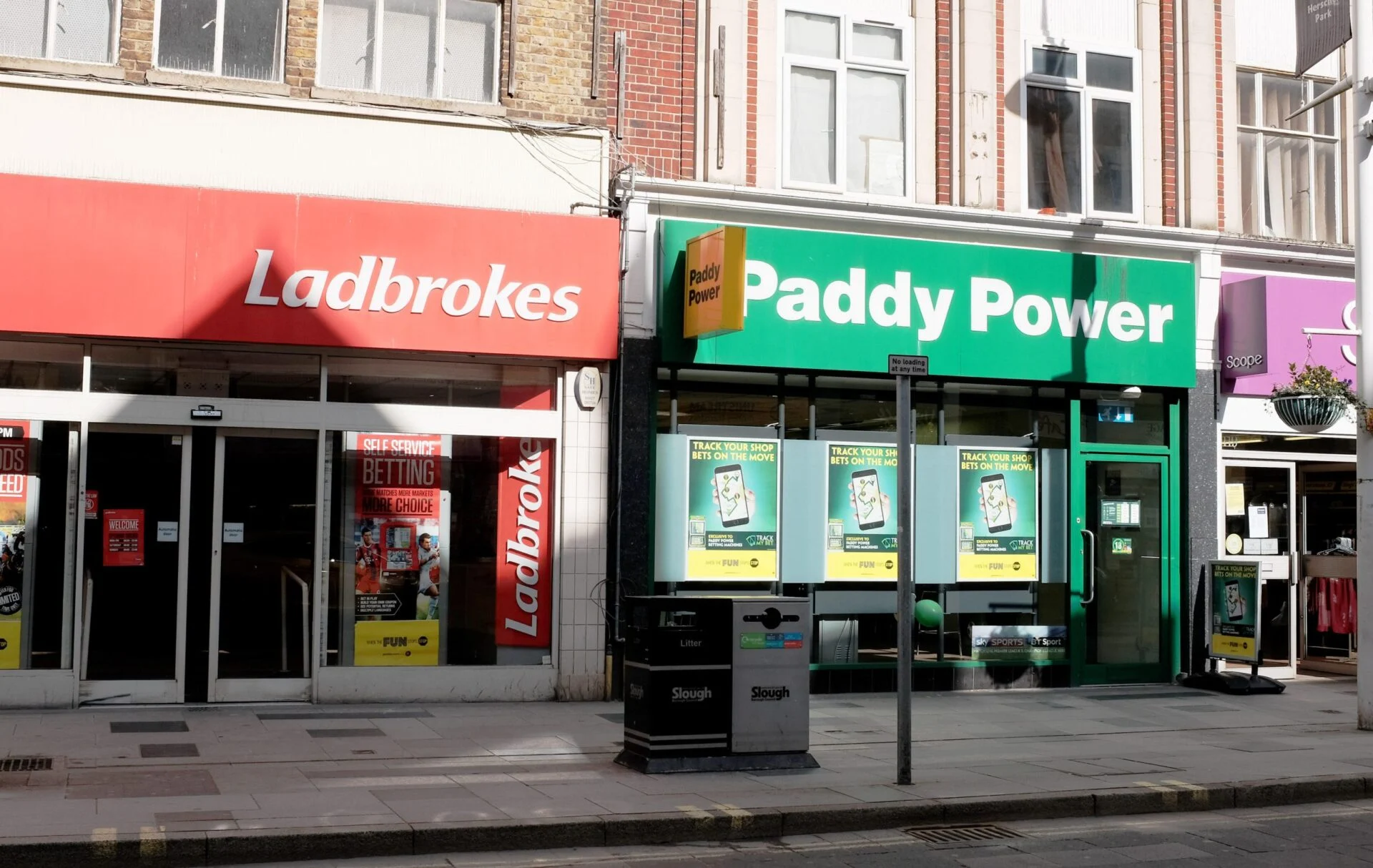
The reaction from the gambling industry was swift and fierce following Prime Minister Andy Burnham's assertion that betting shops were akin to vape shops and illegitimate operators in his account of Britain’s struggling high streets.
Burnham's government plans to amend the Gambling Act 2005 by discarding the "aim to permit" guideline, thereby enabling local authorities to have more authority to refuse applications for gambling establishments. Additionally, new adult gaming centers will now require planning permission.
However, it was the wording used in the announcement that particularly incensed the industry. Burnham claimed that betting and vaping shops had taken the place of the shops, services, and community spaces that people desired, branding the policy as a measure to tackle "dodgy businesses."
Bookmakers were quick to assert that Burnham’s narrative, which they say is distorted, does not reflect the actual situation. Britain currently has fewer than 5,900 betting shops, down from nearly 9,000 in 2015. This indicates that the retail sector has been on a decline for over a decade.
Greg Knight, chief executive of JenningsBet, criticized the comparison, calling it disrespectful to employees and customers. He questioned, "What sort of ‘dodgy’ business provides employment for 40,000 people, finances the entire British horseracing industry… and pays billions in taxes and rates?"
Knight's business exemplifies the disconnect between rhetoric and reality, as JenningsBet has opened four new locations this year while closing three, resulting in a net gain of just one shop through organic growth; most of its expansion has been through acquisitions. He cautioned that new openings could “grind to a halt” if local councils gain more discretion, especially since applications are already scarce. He also expressed concern that politicians might be confused about the differences between betting shops and adult gaming centers (AGCs), even though they operate distinctly.
The AGC sector echoed this defense. Alistair Gair, communications director for Bacta, highlighted a decline in numbers from 1,610 in 2015 to 1,502 last year, asserting, "This is a sector in decline, not one taking over Britain’s high streets."
Gair’s argument encompasses more than just numbers; AGCs fill spaces that might otherwise remain vacant, provide jobs, and offer low-stakes entertainment in regulated, alcohol-free environments. He warned that restricting licensed premises could drive customers to unregulated, illegal alternatives with no protections.
Conversely, if there is a decline in high streets, shutting down businesses will not necessarily result in a rebirth of service-oriented establishments such as banks, butchers, and community centers. Councils will only be able to select businesses willing and financially capable of operating in those spaces.
Christopher Snowdon from the Institute of Economic Affairs suggested that Burnham has misidentified the roots of high street decline, which stem from a drop in demand and rents that allowed betting and gaming businesses to set up in previously vacant shops, rather than them replacing thriving businesses. Snowdon remarked, "The idea that the high street can be revived by killing off the few remaining businesses that are able to operate on it is just silly."
He pointed out that structural change is at play, with supermarkets and online shopping diminishing the need for traditional retailers like banks, bookshops, and newsagents. The future high street will likely consist of in-person services like pubs, cafés, and repair shops, with many abandoned units possibly converted to housing.
Limiting legitimate operators won't revert this change, and creating new laws to combat criminal activity in certain vape shops or barbers may only serve to replace existing regulations without enforcing them.

