
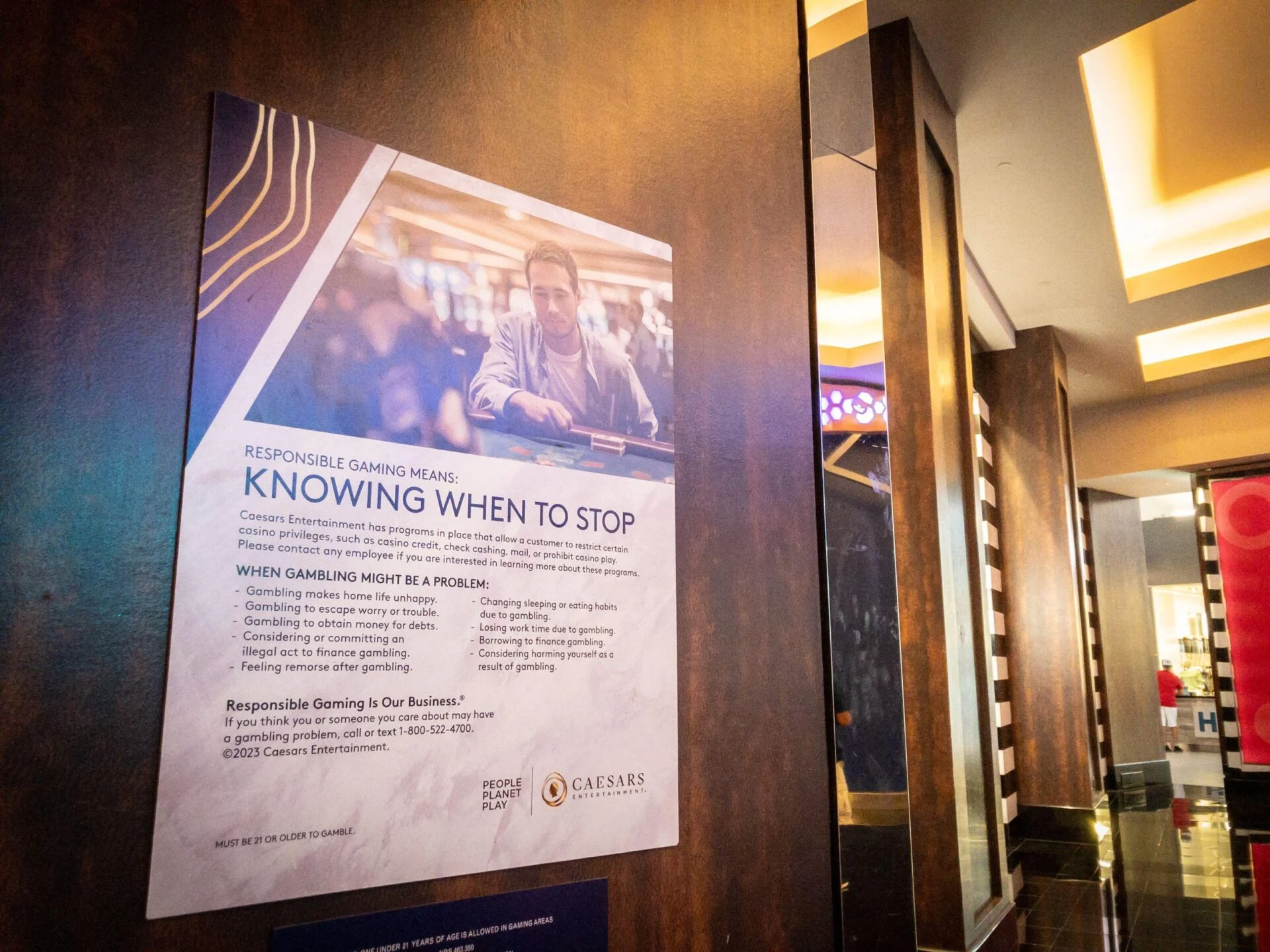
Sam Douglas, the Director of Safer Gambling at the Hippodrome, emphasizes the positive aspects of the gambling industry. "We should celebrate the good things in our industry," he states, pointing out that it is easy to focus on the negative when analyzing research or media coverage. He believes that while acknowledging its challenges, it’s also important to highlight the enjoyment people derive from gaming experiences.
In a live casino setting, Douglas notes differing perspectives on responsible gambling. For example, staff can engage with players who have been onsite for extended periods by asking about their travel plans or future actions, prompting reflective thinking. Celebrating wins by encouraging players to consider whom they will share their successes with can create meaningful future interactions.
This approach reflects a shift within the industry toward a more customer service-oriented attitude rather than merely adhering to compliance requirements. Douglas states, "If you frame it more as customer service and less as compliance, it really speaks to the heart of how we communicate with players."
Richard Bayliss, Director of Product Compliance and Safer Gambling at Playtech, echoed this evolution's significance during a discussion at the World Gaming Leaders’ Summit. He acknowledged a transition from a reactive to a proactive stance in understanding player behavior, emphasizing the necessity of early intervention based on gathered insights on individual players.
A significant change in regulatory focus has occurred since Bayliss joined Playtech in 2018, noting that back in his early days with the UK Gambling Commission, operator responsibility for ensuring responsible gambling was far more limited and primarily based on player choice. Regulations regarding responsible gambling have not significantly changed, but their interpretation has, demanding earlier intervention as operators need to understand their players better, particularly those making large deposits.
Bayliss pointed out that the gambling narrative shifted towards stories of excessive gambling and its consequences, which have caught public and regulatory attention. Traditional approaches often fall short, as noted by Bayliss. He criticizes a checkbox mentality that treats safer gambling as just risk management, resulting in operators engaging superficially rather than providing meaningful assistance to players in need.
In the Netherlands, for example, monthly deposit limits for players have been instituted, but Bayliss regards these as too blunt a tool, favoring a more personalized approach. He mentioned the insufficiency of infrequent responsible gambling communication and urged for real-time and relevant engagement with players.
Douglas concurs that a one-size-fits-all approach fails to address individual circumstances at the Hippodrome. He specifies that identifying problem gambling should involve understanding each player's context rather than applying generic thresholds.
Establishing a good intervention framework revolves around several key guidelines:
1. Communicate the reason for contact to players clearly.
2. Focus on describing behaviors without labeling individuals.
3. Utilize open-ended questions to facilitate discussion.
4. Employ straightforward language to improve communication.
5. Reach out to players in the moment rather than through delayed communications.
6. Provide specific routes to genuine support when necessary.
7. Implement follow-ups to reinforce discussions and demonstrate ongoing commitment.
Bayliss highlights the significance of monitoring behaviors like time spent gambling or deposit behavior. He cautions that while escalating deposits can indicate at-risk behavior, the implications are nuanced and cannot be reduced to simple metrics. Research on Playtech’s BetBuddy revealed that short timeout behaviors among players could indicate responsible self-regulation, countering the negative assumptions that might accompany such patterns.
Douglas recognizes the value of on-site observation of players at the Hippodrome. However, he points out that while quantitative data is useful, it can sometimes overlook the personal nuances of individual players. He notes that recognizing factors such as occupation and age can provide better insights into player vulnerability so that personalized intervention becomes possible.
Effective communication is critical in interventions. Bayliss suggests providing indisputable evidence when reaching out to players, as it fosters accountability and ensures clarity around behavioral concerns. A gentle approach that avoids accusatory tones is essential, as players are often reluctant to acknowledge gambling issues.
Neil Burge, founder of Growth Exposed, adds that many individuals dislike being branded as problem gamblers and find it easy to dismiss self-assessment. Olabimpe Akingba, head of responsible gambling at PawaTech, argues that creating empathetic outreach strategies can help. She emphasizes the importance of community-based support, advocating for tailored interventions that respect a player's autonomy while promoting welfare.
However, operators face challenges in their messaging; poorly constructed communications can backfire. Burge illustrates this point with an example where a player's rejection of a responsible gambling caution led her to gamble on a different platform instead.
The gambling industry in Africa presents its own set of challenges. Akingba identifies deposit limits and self-exclusion as the most effective measures for managing gambling behavior, especially given that many new markets are less developed.
Immediate feedback through pop-up messages during gambling sessions has proven effective in addressing at-risk behaviors, as it provides relevant and timely support. This establishes trust, which is especially crucial in the gambling sector.
There is also a crucial interaction between player behavior, culture, and business strategy. Bayliss asserts that promoting responsible gambling principles not only benefits players but can also enhance overall operational cost-effectiveness. He insists that a proactive approach strengthens business integrity and public trust.
Collaboration among industry players and with external stakeholders remains vital in refining responsible gambling frameworks. Akingba stresses that engaging diverse perspectives can yield richer solutions to gambling-related challenges. Meanwhile, Douglas advocates for greater information sharing among operators to foster strategies that can enhance player protection industry-wide.
Finally, as the industry evolves, the pressing challenge remains the prevention of at-risk players turning to unregulated markets. The consensus among experts indicates that while complete eradication of gambling problems may be unrealistic, minimizing harm through a commitment to responsible practices is imperative. Sharing insights and building a culture of responsible gambling could help meet those goals.

