
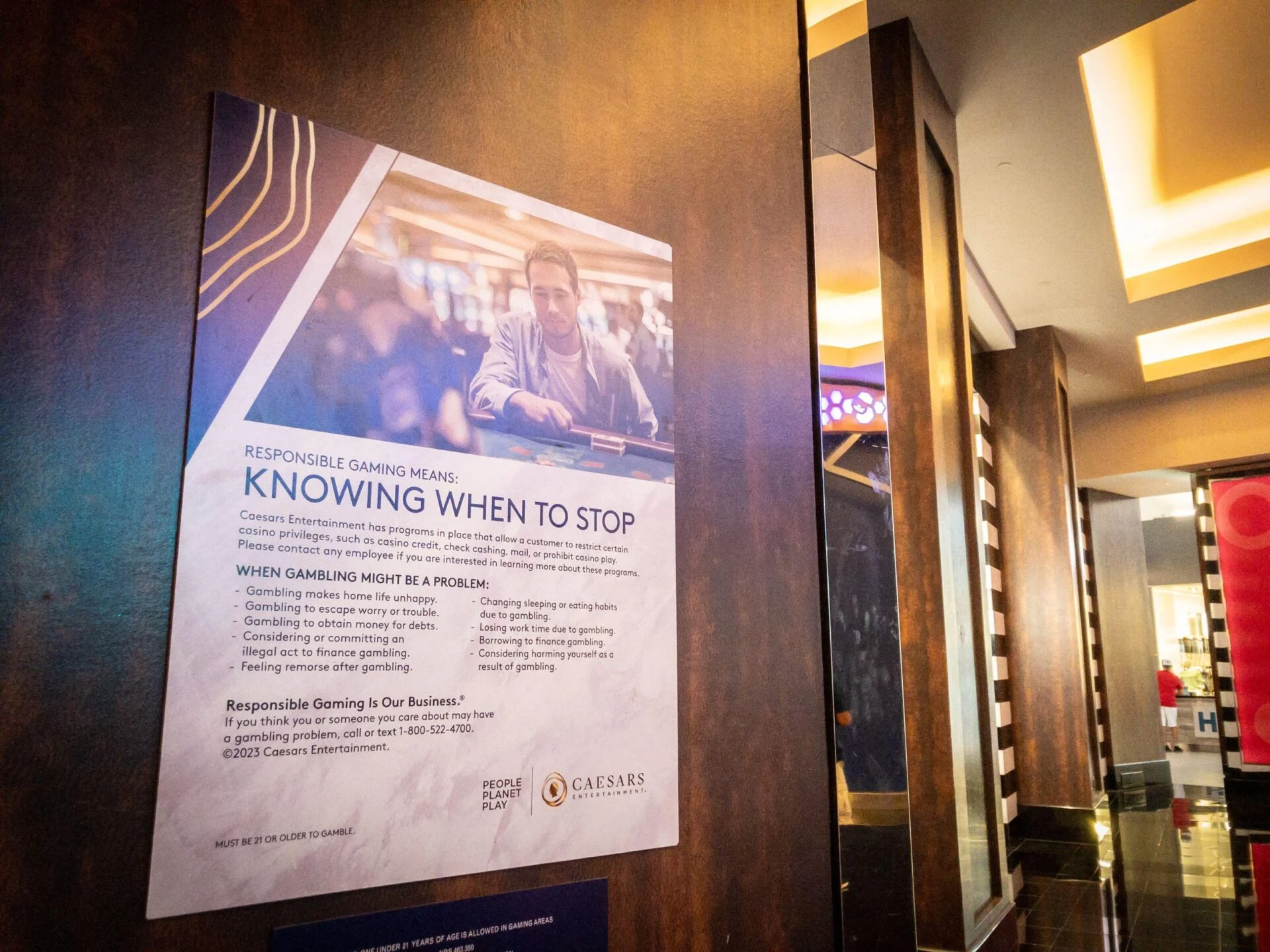
Sam Douglas, the director of safer gambling at the Hippodrome, emphasizes the need to highlight the positive aspects of the gambling industry. He believes that while there is significant focus on the potential harms associated with gambling, it’s essential to recognize the enjoyment many derive from participating in this sector. "We should celebrate all the things we do really well, while having a group commitment to work on the things that need improvement," Douglas stated.
Being in a live casino environment offers a unique perspective on responsible gambling. Douglas suggested that engaging with players can lead to deeper reflections on their gambling habits. For instance, he asks players who have had big wins about their plans, prompting them to consider their gambling in a more thoughtful manner.
This approach represents a broader shift in the gambling industry, which now spans both online and physical casinos, including sports betting. "If you frame it more as customer service and less as compliance, it really speaks to the heart of how we communicate with players," said Douglas.
Richard Bayliss, Playtech’s director of product compliance and safer gambling, echoed this sentiment, noting that the industry has evolved from a reactive to a proactive stance. He pointed out that operators need to understand their players better and act quickly on the insights they gather.
Reflecting on his extensive experience since starting at the UK Gambling Commission in 2006, Bayliss remembers a time when responsible gambling was largely a matter of player choice, with limited operator responsibility. He explained that while regulations may not have drastically changed, their interpretation has. Operators are now required to intervene more swiftly when they recognize concerning trends in player behavior, such as substantial monetary deposits.
The emphasis on promoting safer gambling to protect players stems from public concerns. Bayliss noted, "The stories that make the press and get on politicians' radars, they're not about whether products pay out 95% or 94%, they're about 'I gamble too much, I was allowed to gamble too much.'" This shift has influenced how regulations are shaped, focusing more on player care rather than mere compliance.
Bayliss criticized traditional approaches that treat responsible gambling as a checklist, emphasizing that merely ticking boxes does not suffice. Such methods may manage risk but do little to actually help players manage their gambling habits. He argues for more nuanced tools that do not present one-size-fits-all solutions.
For instance, in the Netherlands, there are set deposit limits based on age, which Bayliss believes may be too rigid and in need of a more personalized approach. He explained that responsible gambling communications need to be more frequent and engaging rather than reliant on generic emails sent once a year.
Douglas extends this idea to the land-based environment, stating, “If you’re taking a one-size-fits-all approach, then you’re not dealing with the person who’s with you.”
To facilitate better interventions, Douglas and Bayliss outlined several strategies:
1. Clearly communicate the reason for reaching out to players regarding their gambling behavior.
2. Focus on describing behaviors rather than labeling individuals.
3. Use open-ended questions to foster productive conversations.
4. Avoid complex jargon in favor of plain language.
5. Engage with players in real-time to provide immediate feedback.
6. Offer clear options for players to access genuine support.
7. Follow up with players to reinforce previously discussed interventions.
Douglas believes that recognizing patterns through careful observation of player behavior is crucial for effective interventions. "Our best tool in terms of data points and interaction is the observation of customers," he noted, stressing the importance of understanding individual player nuances rather than relying solely on data points.
Certain professions can surprisingly contribute to gambling risks, as Douglas pointed out. Individuals from high-stress roles, such as professional athletes or military personnel, may be predisposed to gambling difficulties due to sudden financial windfalls and a lack of supporting structures in their lives. Meanwhile, Bayliss cautioned against making assumptions based solely on job titles, noting that many hospitality workers earn substantial incomes.
Research conducted on responsible gambling practices identifies key predictors of gambling harm, yet highlights that no single behavior serves as an absolute indicator. This underscores the risk of implementing blanket policies that could misclassify players.
Successful intervention relies significantly on how an operator conveys concerns to a player. Bayliss suggests providing clear, concrete data points about a player’s gambling behavior to help them understand reasons for outreach. Douglas echoes this, emphasizing the gentle communication of these observations to avoid alienating players.
Experts also stress the need for operators to ensure their messages resonate positively with players. Neil Burge, founder of Growth Exposed, indicated that overly stern communications can backfire, causing players to dismiss help or even switch to other gambling sites without addressing underlying issues.
Akingba noted that while encouraging players to seek help is vital, it must also feel natural and respectful rather than forced. Effective methods include collaborating with counselling partners to provide localized support tailored to the specific needs of players.
To enhance their responsible gambling frameworks, both the Hippodrome and BetPawa focus on ongoing staff training to equip employees with the skills necessary to recognize gambling issues and offer assistance. Douglas asserts that a deeper understanding of customer behavior is paramount.
Yet, the challenge remains for operators to scale these interventions responsibly. Bayliss highlighted the potential for AI tools, such as Playtech’s BetBuddy, to assist in identifying at-risk players through data analysis, allowing for earlier engagement.
However, they also caution against the risks of deploying AI without proper safeguards in place. Bayliss referenced a study showing how poorly designed AI interactions could lead to harmful advice for players seeking help.
Douglas and Burge expressed skepticism about measuring intervention success, echoing the understanding that stopping a player from gambling on one platform does not necessarily mean they will not continue elsewhere. Effective monitoring and communication among operators are essential to understanding player behavior comprehensively.
Both Douglas and Akingba advocate for greater collaboration in the gambling industry to enhance responsible gambling frameworks, emphasizing the need for shared experiences to create effective solutions. They aspire to shift the narrative surrounding the industry, demonstrating that operators are committed to player well-being.
Looking ahead, industry experts anticipate changes to responsible gambling practices, potentially leading to more prescriptive regulations. The conversation about gambling safety continues, with numerous stakeholders working towards minimizing harm and enhancing player support, underscoring the industry’s commitment to responsible practices in the face of evolving challenges.

