
Stake plans to take further legal action following a Brazilian court's decision to lift a temporary injunction that had allowed the operator to continue its betting operations.
The turmoil began when President Luiz Inácio Lula da Silva issued a ban on licensed betting at the end of September. Initially, Stake felt reassured when a preliminary injunction permitted it to operate until October 25. However, this development was short-lived as Judge Luis Antonio Johonsom di Salvo of the Federal Regional Court of the 3rd Region (TRF-3) promptly suspended the injunction, leaving Stake to face a renewed ban.
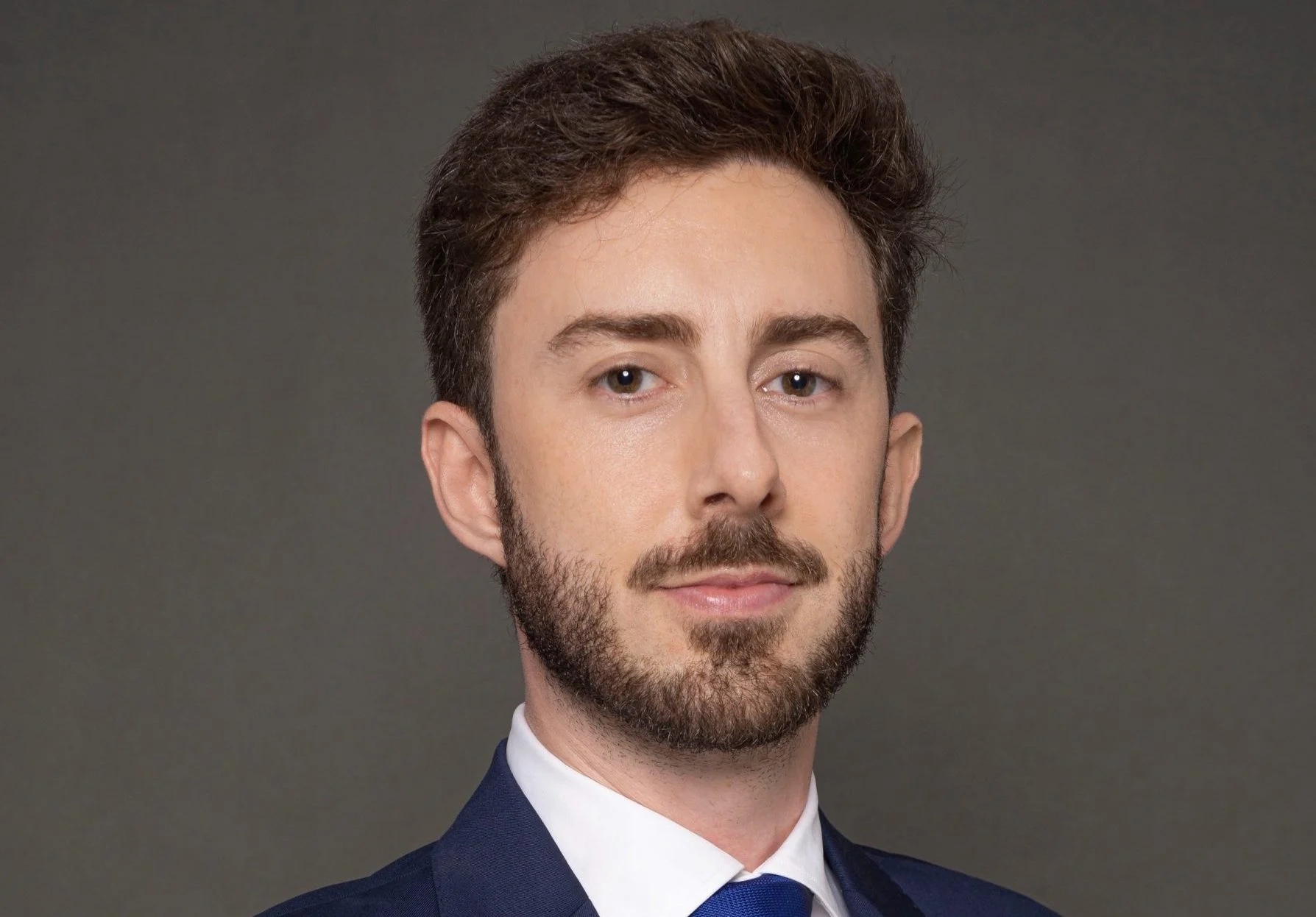
Representing Stake is the Brazilian legal firm Bichara e Motta Advogados. Partner Udo Seckelmann confirmed that the firm will contest the judge's decision. "Of course, this is not over," Seckelmann remarked. "This is just one setback. We are drawing up strategies to overturn this decision." He indicated that Stake is considering two possible strategies to mount its challenge, though he declined to disclose the specific legal grounds.
Seckelmann acknowledged the significant implications of this case for the broader Brazilian betting sector, hinting that a favorable ruling might benefit other operators facing similar challenges. "If we get a positive decision in the next couple of days, maybe other operators will glean the same outcome. We know the degree of responsibility we bear for the entire industry," he said.
One of Stake's main arguments revolves around the substantial investments operators made to comply with Brazil's stringent licensing requirements. Entering the Brazilian market necessitated a license fee of BRL30 million (approximately $6 million) and a financial reserve of at least BRL5 million, along with a requirement for international firms like Stake to establish headquarters in Brazil. Seckelmann emphasized that the lifting of the injunction disrupts the legal certainties that operators relied on when entering the market.
"The government established the rules; we paid BRL30 million and BRL5 million as a financial reserve to engage in this regulated activity. Then, abruptly, without notice, you declare that the activity is prohibited before we even reach the two-year mark of a license valid for five years," Seckelmann stated.
Public perception of betting in Brazil has been challenging since the regulated market's launch on January 1, 2025. This negative sentiment has often conflated licensed betting operators with the unregulated black market. Seckelmann contended that the ban lacks evidence that licensed entities are the source of Brazil's gambling addiction and related debt issues.
"The reasoning provided by the federal government to justify this ban does not rest on credible studies or statistics linking licensed operators to these problems," Seckelmann asserted. "On the contrary, when examining the claims around addiction and debt, it is evident that illegal gambling, not the regulated market, is the real issue."
The decision to revoke Stake's injunction came at the request of the Attorney General’s Office (AGU), which claimed the original ruling unfairly advantaged Stake over its competitors. Seckelmann raised concerns that the AGU specifically targeted the pro-government president of TRF-3, suggesting a strategically political motive behind the legal maneuvering.
"The AGU appealed to the president of the federal tribunal, who routinely favors the state and federal government in his decisions. They knew that bringing this matter to him would likely result in a ruling in their favor," he explained. He characterized the judge's ruling as lacking substantive legal arguments and primarily reflecting political inclinations.
The implications of the betting ban are already visible. A survey by the National Association of Games and Lotteries revealed that more than 3,500 workers have lost their jobs in the sector since the introduction of the provisional measure. As the ban remains in effect, the licensed sector's prompt return is seen as critical. Stake's case is part of a larger constitutional challenge being pursued by two major gambling trade bodies aiming to lift the ban through the Supreme Federal Court (STF). Seckelmann highlighted that this constitutional dispute may not conclude until after the second round of elections scheduled for October 25.
As Stake's legal situation unfolds, Seckelmann expressed concern about the irreversible damages the prolonged litigation could inflict on the company. "We waited for the Supreme Court to make a decision, but they haven't acted. Our operations are on hold; we are terminating contracts and laying off staff. We're losing financially, and this could result in irreparable harm to our business," he said.

