
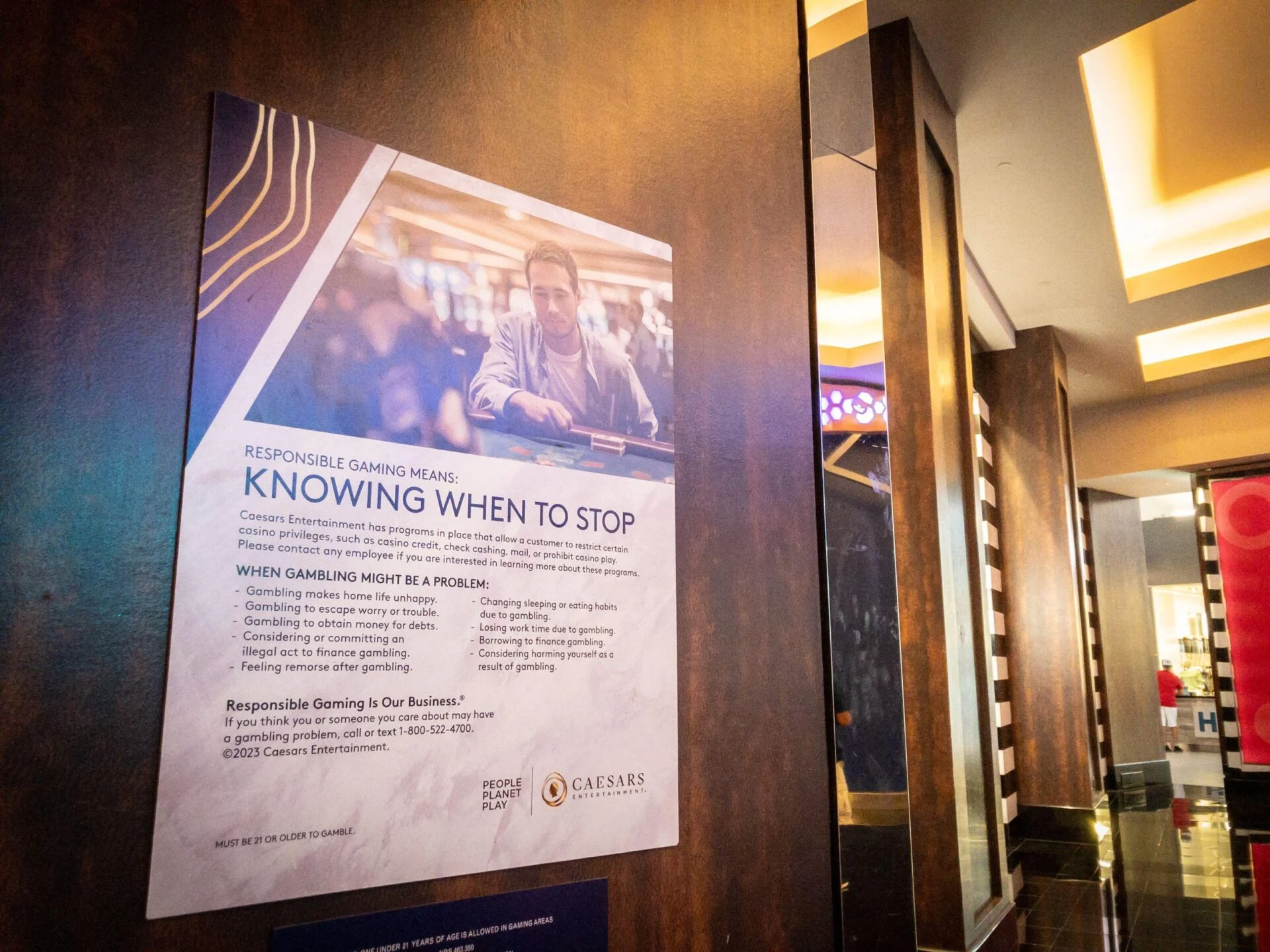
Sam Douglas, the director of safer gambling at the Hippodrome, emphasizes the importance of recognizing the positive aspects of the gambling industry. He believes that while research and media often focus on the harms associated with gambling, it is equally important to celebrate the enjoyment and entertainment that gambling provides. "We should celebrate all the things we do really well, while having a group commitment to work on the things that need improvement," he states.
Operating in a live casino environment allows for a unique perspective on responsible gambling. Douglas explains that engaging with players about their experience, especially if they've been gambling for an extended period, can spur reflection on their gambling choices. For instance, after a big win, staff might ask, "Who’s the first person you will tell? What will you spend it on?" This prompts players to think about their future plans, creating connection points for future interactions.
This approach represents a broader change within the gambling industry, which now encompasses both online and physical venues, as well as sports betting and casinos. Douglas emphasizes the need for framing responsible gambling more as customer service rather than mere compliance. He states, "It really speaks to the heart of how we communicate with players."
Richard Bayliss, director of product compliance and safer gambling at Playtech, advocates for a shift from a reactive to a proactive approach regarding responsible gambling. He recalls the early days when responsibility predominantly lay with the player, where tools were optional. Bayliss notes that operators must now act much more decisively based on player behavior. "You’re meant to know far more about your players, you’re meant to act upon what you know about them far sooner," he explains.
Bayliss highlights how the public’s concerns have changed, shifting from payout percentages to concerns over excessive gambling. This change has led regulators to adjust their focus accordingly.
Traditionally, some practices in responsible gambling have proven ineffective. Bayliss points out that treating responsible gambling as a tick-box exercise can lead to blunt, ineffective measures. He warns that while such methods may serve to manage regulatory risks, they do not genuinely help players. He cites the Netherlands' mandatory deposit limits as an overly blunt tool, favoring a more tailored approach instead.
Douglas agrees that a one-size-fits-all strategy risks negating the individual gambler’s experience. He believes operators should tailor interventions to address specific player behavior instead of applying universal thresholds.
A successful intervention involves several key elements:
1. Clearly communicating the reason for intervention based on observed player behavior.
2. Focusing on behavior rather than labeling the player.
3. Asking open-ended questions to facilitate discussion without making players feel accused.
4. Using clear, accessible language instead of jargon.
5. Providing feedback in the moment, such as through pop-ups, to ensure relevance.
6. Offering pathways to real support.
7. Following up to show continued engagement and concern.
Despite the complexity of player behavior, tracking activity is essential. Campbell asserts that operators must monitor player spending and time spent gambling to determine risks accurately. Additionally, observing player patterns in real environments, such as at the Hippodrome, offers valuable insights that statistics alone may miss.
At the Hippodrome, Douglas and his team employ various criteria, including frequency of visits and player demographics, to assess risk levels. Certain professions can indicate higher vulnerability due to sudden financial windfalls and lack of support systems.
Bayliss emphasizes the importance of effective communication during interventions, focusing on player behavior with well-documented evidence to substantiate concerns. He cautions that operators must adopt a tone that feels supportive rather than accusatory, while also providing effective tools for players.
Engagement strategies that resonate with players often require careful wording to avoid misunderstandings. Akingba, head of responsible gambling at PawaTech, emphasizes the need to frame gambling as a form of entertainment rather than a way to make money.
As the gambling sector in Africa continues to grow, Akingba notes the effectiveness of simple tools like deposit limits and self-exclusion in helping at-risk players. Her experience underscores the need for clear, practical tools that are widely accessible.
The use of AI in responsible gambling measures is becoming increasingly prevalent, with tools like Playtech's BetBuddy utilizing machine-learning algorithms to anticipate player behavior. Bayliss argues that AI will be key in creating personalized messages that better resonate with players, potentially transforming how operators approach player engagement.
Despite these advancements, a significant challenge remains in identifying effective interventions amid the chaos of shifting player behavior. Monitoring open banking data may help track movement between different platforms, yet the increasing popularity of cryptocurrencies complicates full visibility. Consequently, operators recognize the need for a unified approach to player protection that goes beyond mere profit considerations.
Trust and ongoing dialogue with players are vital. Douglas notes that building rapport during initial conversations can pave the way for more meaningful interactions later. Akingba echoes this sentiment, nurturing relationships with counseling partners to provide localized, tailored support for players in need.
Overall, a more collaborative approach across the industry will enhance responsible gambling practices, allowing operators, regulators, and support organizations to develop more engaging and effective interventions. Observers note that the industry's evolution demands a stronger focus on genuine trust-building as key to sustainable growth and player safety.
Richard Bayliss encapsulates the current sentiment within the sector succinctly, stating that operators are increasingly aware of the balance between commercial goals and social responsibilities, recognizing that better responsible gambling practices ultimately benefit both players and the business.

