
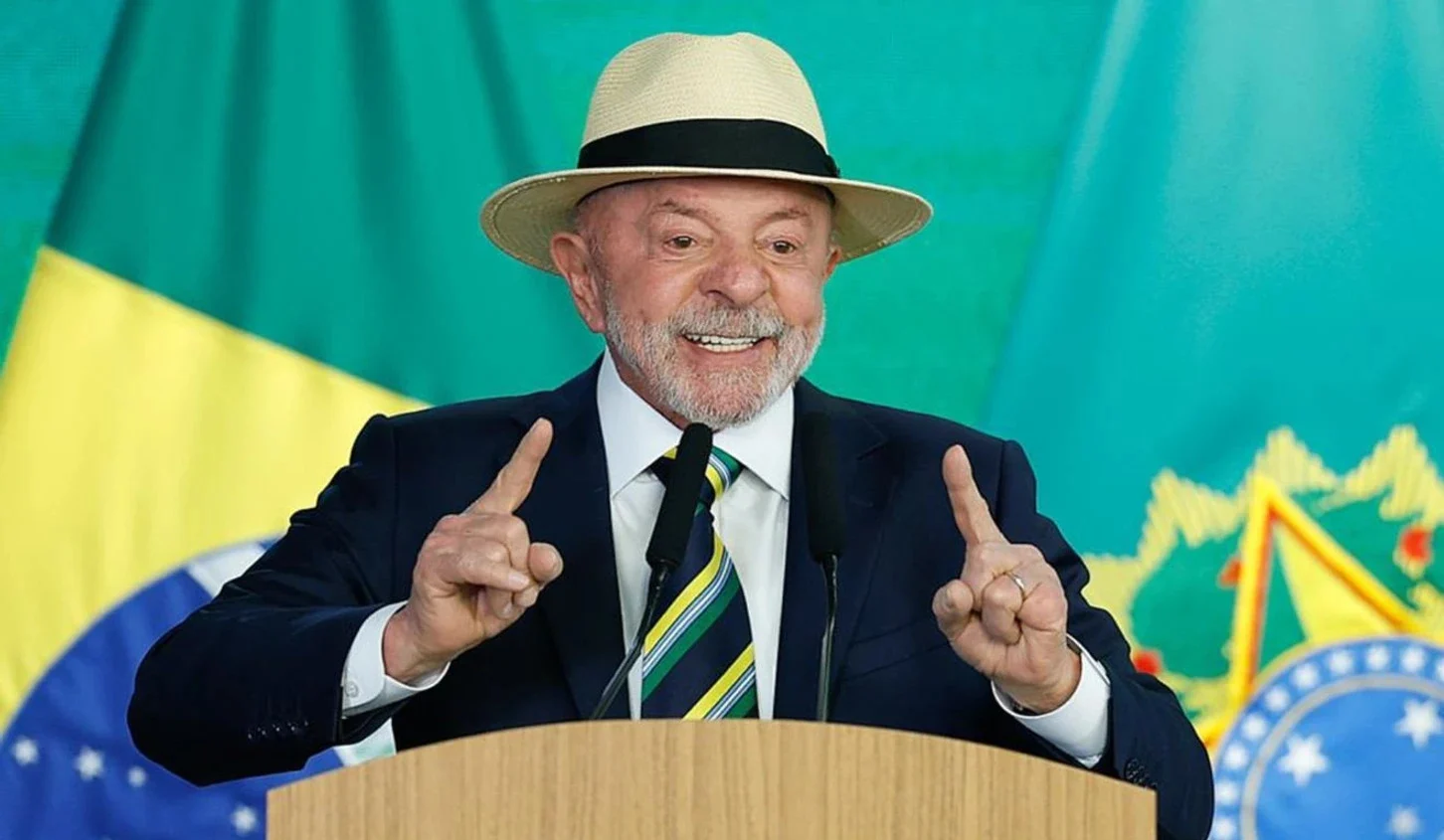
President Luiz Inácio Lula da Silva of Brazil is anticipated to submit a provisional measure to Congress within the week aimed at tightening the regulations surrounding betting in the country. According to reports from CNN Brazil, the government is considering increasing restrictions on betting advertisements and potentially banning online casino games altogether, focusing primarily on allowing only sports betting.
This approach, involving a provisional measure, would enable the regulations to be enacted immediately, just weeks before the upcoming elections, suggesting a strategic use of the betting sector in an effort to bolster Lula's re-election campaign. The Civil House is reportedly responsible for drafting the legislative text, and there are indications that this move is politically motivated, tapping into the growing criticism aimed at the gambling industry.
The Brazilian betting industry has recently come under scrutiny, with allegations that gambling is leading families into debt.
There are political divides emerging over this issue. Rather than pursuing a complete legislative bill, which could delay implementation, Lula aims to exert immediate political influence with these measures ahead of the elections. Certain factions within his administration, particularly the Ministry of Finance, are cautioning against more severe regulations. The Finance Ministry, tasked with overseeing sports betting and online gambling, recognizes the significance of the sector to the national economy. Finance Minister Dario Durigan faces the challenge of persuading Lula that a well-regulated betting environment is crucial for public finances, especially as Lula himself has expressed a belief that he would prefer to abolish betting altogether in Brazil.
Lula’s opposition to gambling aligns him with other political candidates, as studies by the Workers' Party (PT) reveal that approximately 75% of Brazilians oppose betting establishments. This statistic underpins the president's stance against the sector.
On the financial front, Lula has not addressed the potential tax revenue implications of gambling. In 2025, Brazil garnered nearly BRL10 billion ($1.97 billion) in tax revenue from its licensed betting sector. Just within the first seven months of the current year, the sector has contributed BRL8.7 billion in revenue to the public purse. The Federal Revenue Service projects that gambling revenue may reach BRL16 billion in 2026.
Aside from revenue generation, the legal and economic ramifications are a concern. Since regulations were imposed, companies have invested over BRL2.5 billion for licenses. An abrupt end to legal betting would likely lead to litigation as businesses seek to recover investments and licensing fees. Moreover, betting-related revenue is already factored into Brazil's Annual Budget Law and Budget Guidelines Law, which outline federal spending priorities.
The sector is not only worried about the threat posed by potential drastic regulatory measures but also about the government’s ongoing struggle to manage the illegal betting market, which continues to account for nearly half of all gambling activities in the country.

