
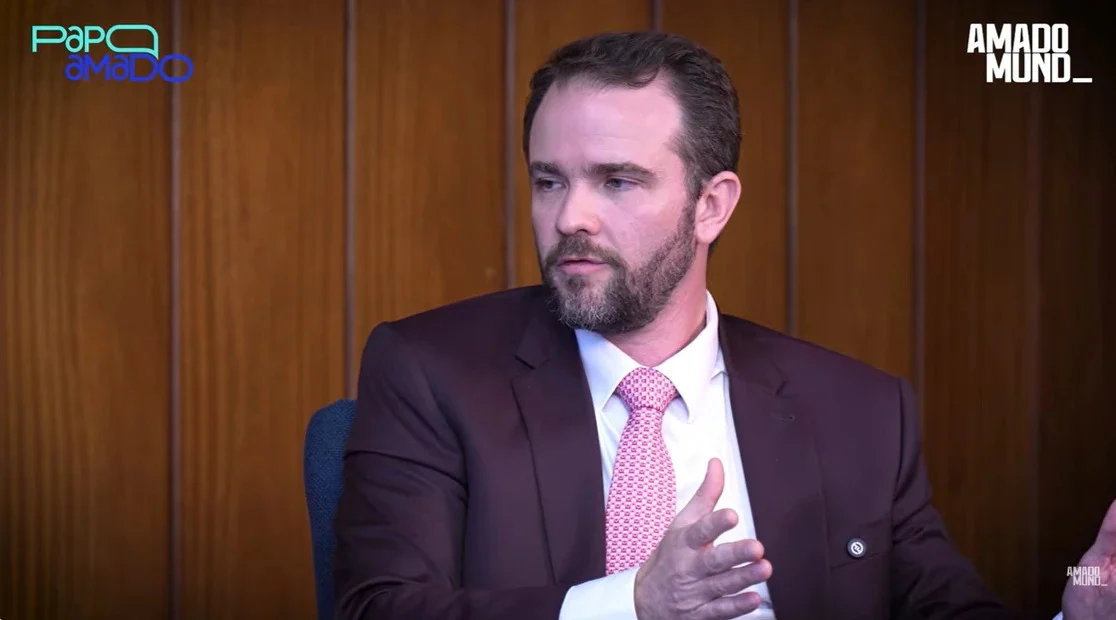
Brazil's Finance Minister, Dario Durigan, emphasized that the nation does not rely on betting taxes to support its public accounts. He noted that the regulation of the betting sector is firmly established, with no intention of using it as a revenue-generating tool. "Tax collection is part of the economic game and all sectors contribute," remarked Durigan, drawing a parallel between betting and other industries like tobacco.
In an interview with Guilherme Amado for Amado Mundo, Durigan explained that the Brazilian government, led by President Luiz Inácio Lula da Silva, has adhered to the legal requirements set out for regulating sports betting, which had not been implemented under the previous administration. He pointed out that the sector had been functioning for nearly five years prior to their governance.
"They had already penetrated football and advertising and held significant political and economic influence. Given that Congress was unlikely to ban the activity, we decided to impose regulations instead," he stated.
The minister clarified that his aim in collecting taxes is not due to a fiscal necessity but rather for fairness. "If a company sells cars, it pays taxes; if it sells drinks, it pays taxes. If it's authorized to operate, it must also pay taxes," he affirmed.
Durigan also referenced recent tax proposals from the Ministry of Finance, alongside the discussion around preventing individuals receiving social welfare from gambling. He mentioned Lula's concern regarding the impact of betting on individuals' costs of living.
"We have actively engaged in this discussion," he added, noting his conversations with Congress, the Supreme Federal Court, and the Attorney General about gambling's effects on Brazilian citizens. He highlighted some advances, such as raising the direct tax rate to 15% and categorizing the activity under the Selective Tax system. Additionally, beneficiaries of social programs and participants of the Desenrola program have been barred from gambling.
Durigan also pointed out the implementation of a self-exclusion mechanism to help mitigate potential gambling issues. He acknowledged that the debate around gambling prohibition is expected to persist over the coming years, involving discussions among the Supreme Court, Congress, and the executive branch. However, he did not suggest that the government plans to ban betting outright.

