
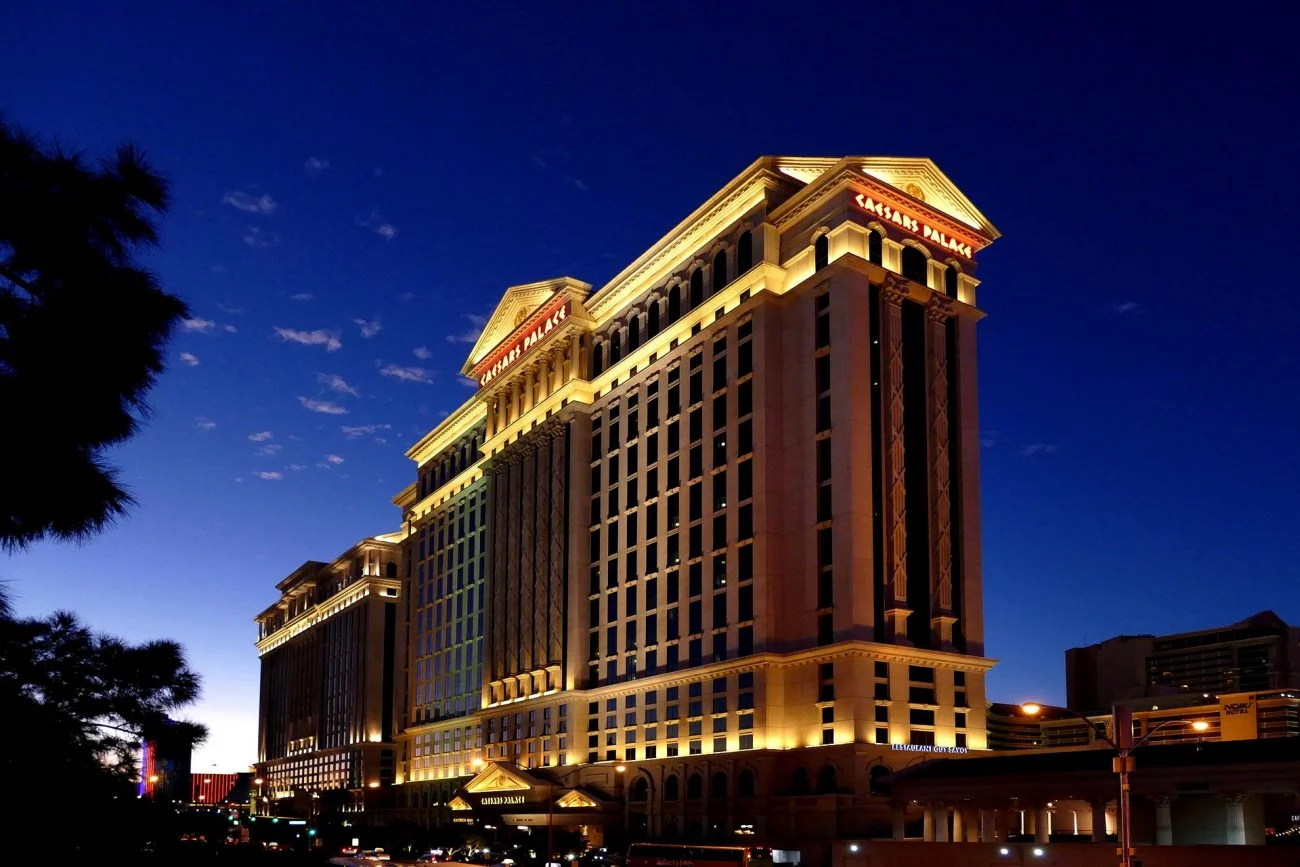
In late May, it was announced that Caesars Entertainment would be acquired by Fertitta Entertainment in a deal valued at $17.6 billion, including assumed debt. This marked a significant development in the U.S. casino sector, akin to Caesars’ previous acquisition by Eldorado Resorts in 2020.
Prior to the finalization of the deal, rumors about a possible acquisition by Fertitta had circulated for months. After the announcement, billionaire activist investor Carl Icahn, who had previously facilitated Caesars' sale to Eldorado before cashing out, re-emerged as a competing bidder.
New insights about the bidding process were revealed in a preliminary proxy filing by Caesars on Tuesday, which indicated that negotiations had begun back in 2025 with multiple rounds of offers and discussions among three bidders, including Icahn and an unidentified fourth party. Interestingly, it was Icahn who first approached Caesars regarding a potential acquisition rather than Fertitta.
The terms of the Fertitta acquisition include:
– A purchase price of $31 per share
– A daily "ticking fee" that accrues until closing, set for June 26, 2027
– A financing package of $6.6 billion, consisting of a revolving credit facility and secured loans
– A termination fee of $200 million for Caesars and $450 million for Fertitta
– An agreement for the Carano family to rollover significant equity into the new venture
Caesars’ board has endorsed the transaction, and a special meeting will be convened for a shareholder vote.
Icahn’s involvement began in 2019 when he acquired a significant stake in Caesars and led the company’s $17.3 billion sale to Eldorado, paving the way for the current leadership structure, which includes the Carano family and CEO Tom Reeg. After selling his stake, Icahn re-engaged with Caesars in May 2024, acquiring shares and ultimately agreeing to an arrangement in March 2025 to limit his ownership to 5% while gaining two board positions. On March 17, 2025, Caesars appointed Jesse Lynn and Ted Papapostolou from Icahn Enterprises to its board.
Negotiations between Icahn and Caesars continued through 2025. Reeg stated that Icahn wanted to be involved in company discussions, and by December, Icahn expressed interest in pursuing a deal. However, no offer was made due to the previously signed board agreement.
A limited waiver was granted on December 3, 2025, allowing for formal negotiations to commence. Shortly thereafter, on December 19, 2025, Fertitta informed Caesars of its intent to submit an offer. Non-disclosure agreements were signed with both bidders, initiating a competitive bidding process.
Icahn was the first to present a formal offer, submitting a proposal of $28.50 per share on January 2, which included $1 billion in cash, $1 billion in new equity, and $3 billion in debt financing. However, detailed discussions revealed that the leverage and cash flow concerns made it challenging for the Carano family to agree to rollover their holdings.
Fertitta followed with a $28.75 per share bid on January 9, backed by a commitment from Morgan Stanley, but both initial proposals were ultimately rejected by the Caesars board.
On January 29, both bidders presented updated offers: Icahn reaffirmed his price while revising financing terms, while Fertitta increased his bid to $30.50 per share. Further negotiations led to Icahn proposing $32 per share on February 5, but Fertitta quickly matched this price and soon offered alternatives, which culminated in Icahn withdrawing from the bidding contest on February 17.
Fertitta's final bid of $31 per share represented a 49% premium over Caesars' closing price on February 25. Interest resurfaced when a report from the Financial Times could have prompted Icahn to reenter the bidding with a $33 per share offer on February 28, coinciding with the onset of the ongoing U.S.-Iran conflict that affected Fertitta's strategy.
Despite Icahn's late bid, discussions continued with Fertitta, leading to an eventual notification on March 16 that Fertitta would lower its offer due to rising financing costs and macroeconomic uncertainties.
In early April, an unnamed fourth bidder, referenced as "Party B," expressed interest and claimed it could make a significantly higher offer of $36 or $37 per share, but Caesars was unable to validate the offer and eventually dismissed it.
As negotiations progressed, Fertitta officially lowered its offer to $31 per share by April 28, citing similar financial concerns. Caesars' board endorsed this transaction but continued to push for a higher price, attempting multiple times to negotiate above Fertitta's offer.
On May 27, an agreement was reached, marking a pivotal transaction in the U.S. gaming industry, and the details were announced before the market opened on May 28. However, the deal also triggered a 45-day "go-shop" period allowing Caesars to seek better offers until July 11, during which they reached out to 20 potential parties, including Icahn.
Despite renewed discussions, mainly with Icahn and new financing partner Jefferies, most bidders showed no interest, and Icahn returned with a final offer of $34 per share just before the expiration of the go-shop period. The offer also required significant equity contributions from the Carano family.
Ultimately, as negotiations stalled and time ran out, Fertitta emerged as the victor after a nearly nine-month bidding war, finalizing one of the largest transactions in the gaming sector.

