
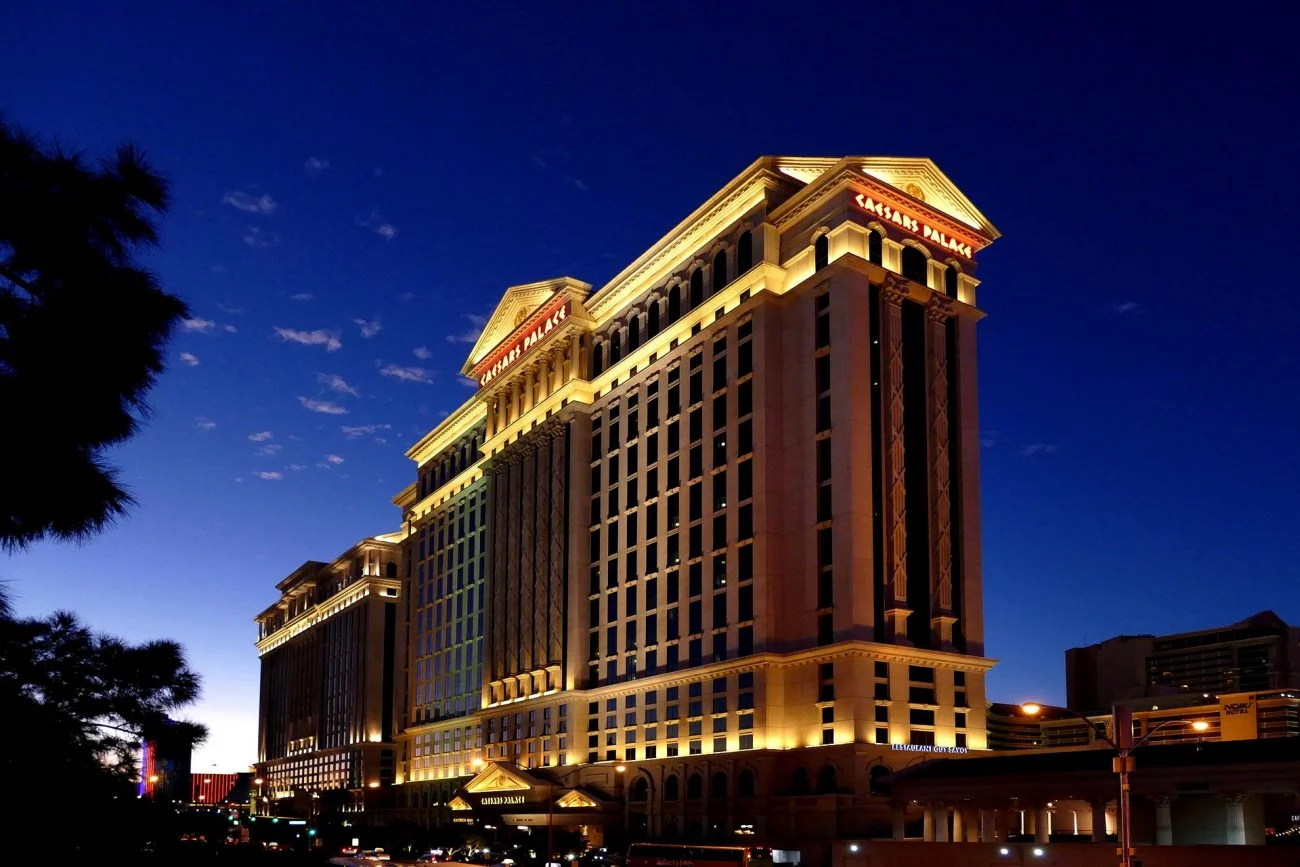
In late May, Caesars Entertainment entered into a deal with Fertitta Entertainment, a move that will take the company private in a transaction valued at $17.6 billion, including assumed debt. This acquisition marks one of the most momentous shifts in the U.S. casino industry in recent years, reminiscent of Caesars’ previous takeover by Eldorado Resorts in 2020.
For months, speculation about Fertitta’s interest in acquiring Caesars was rife, and shortly after the announcement, Carl Icahn, the billionaire activist investor known for spearheading Caesars’ previous sale to Eldorado, emerged as a rival bidder. Although initial reports suggested the negotiation process was haphazard, a preliminary proxy filing from Caesars provided a clearer picture of the months-long bidding war.
The filing indicated that discussions began in 2025 and included several rounds of competing offers and talks among three known stakeholders, hinting at a mysterious fourth party. Contrary to popular belief, Icahn was the first to express interest in acquiring Caesars.
Fertitta’s acquisition was finalized with several key terms: a purchase price of $31 per share, a daily ‘ticking fee’ beginning if the deal isn’t closed by June 26, 2027, a $6.6 billion financing package featuring a revolving credit facility and secured loans, a $200 million termination fee for Caesars, and a $450 million reverse termination fee for Fertitta. Additionally, the Carano family agreed to roll over substantial equity into the newly formed entity. Caesars’ board has endorsed the deal, and a special meeting for shareholders will soon take place.
The relationship between Icahn and Caesars dates back to 2019 when he acquired a significant stake in the company and played a crucial role in facilitating its $17.3 billion acquisition by Eldorado. However, after selling his stake in the aftermath of that transaction, Icahn resurfaced in May 2024, amassing shares again and prompting renewed discussions. By March 2025, an agreement was reached whereby Icahn would refrain from making a takeover bid or exceeding 5% ownership in exchange for board seats at Caesars.
Following extensive discussions with Caesars’ CEO, Tom Reeg, in December 2025, Icahn expressed interest in pursuing another deal but was limited by the prior agreement. A limited waiver was granted on December 3, 2025, allowing for formal negotiations to commence.
Before Icahn could act, Fertitta notified Caesars on December 19, 2025, of its intent to make an offer. The competition heated up as both bidders soon entered non-disclosure agreements with Caesars. Icahn was the first to formally propose an offer on January 2, 2026, suggesting a price of $28.50 per share, which included various cash and equity elements. Fertitta countered a week later with an offer of $28.75 per share.
As discussions progressed, both parties adjusted their bids. Icahn increased his offer to $32 per share on February 5, while Fertitta matched this with two consecutive offers shortly after. By February 17, Icahn withdrew from the bidding process, leaving Fertitta as the sole remaining bidder. On February 28, Icahn re-entered the competition with a $33 per share offer.
On March 16, Fertitta indicated potential changes to its offer due to rising macroeconomic risks related to the ongoing war in Iran, ultimately reducing its offer back to $31 per share. During this time, an unidentified entity dubbed "Party B" attempted to join the bidding war, claiming to have a $36 or $37 per share offer, but was later deemed a hoax as Caesars could not verify its legitimacy.
Negotiations with Fertitta continued, with Caesars seeking to adjust terms regarding termination fees and equity arrangements. By late April, Fertitta’s offer officially stood at $31 per share. Despite various attempts by Caesars to negotiate a better deal, Fertitta remained firm. Ultimately, the agreement was finalized in the early hours of May 27.
Following the completion of the deal, Caesars initiated a 45-day ‘go-shop’ period, allowing for any superior offers until July 11. During this time, Caesars approached 20 potential bidders, including Icahn. However, no firm offers emerged from the other parties. Icahn made a renewed attempt to re-enter the race with a $34 per share offer just before the go-shop period closed.
As negotiations continued, the board extended talks several times in July, but ultimately, no new agreements were reached, leading to Fertitta’s emergence as the victor of this significant bidding war, nearly nine months after it began.

