
Polymarket has decided to withdraw its self-certification to provide betting markets on player availability as the new NFL season approaches, following a request from the Commodity Futures Trading Commission (CFTC). The CFTC directed Polymarket to refrain from these offerings, which conflict with its stance on betting related to player injuries. In contrast, Kalshi has chosen to maintain its similar market offerings.
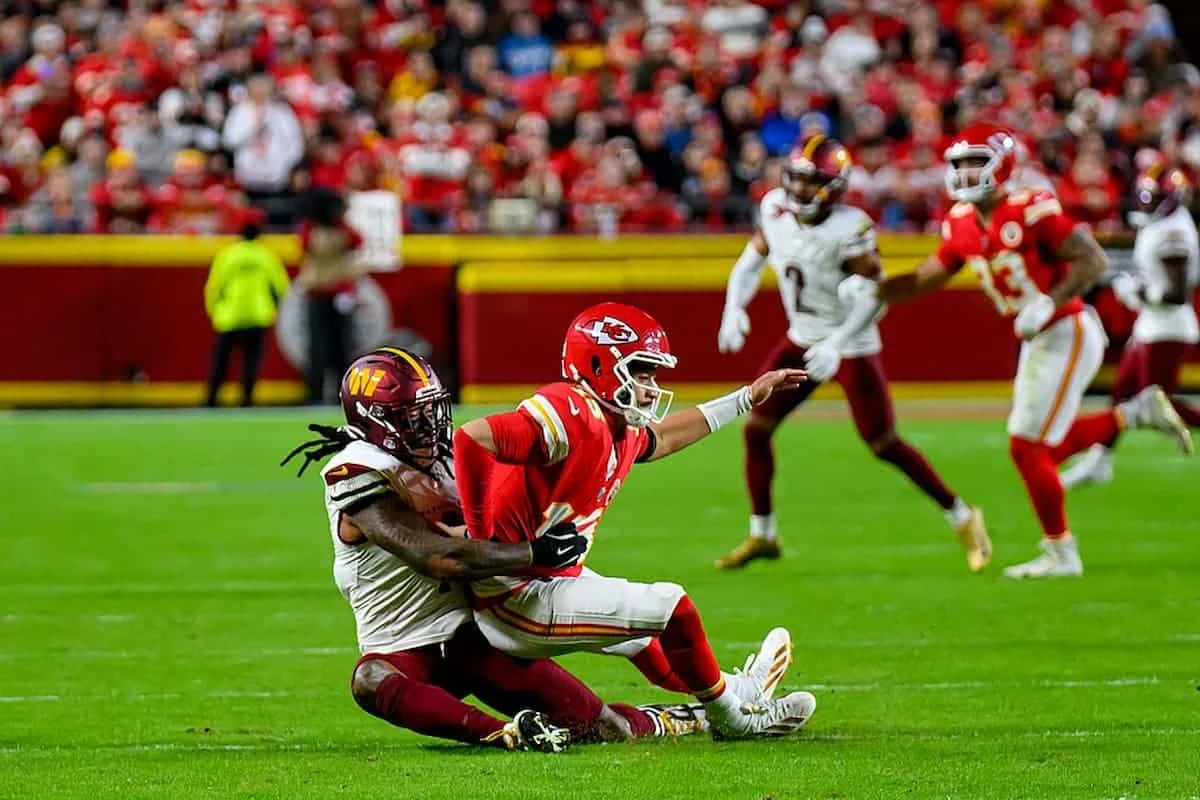
Last Tuesday, Polymarket submitted its self-certification, intending to offer markets framed as, "Will {participant} participate in {event}?" The initial focus of this was on Patrick Mahomes’ participation in week one of the NFL season, but Mahomes appears poised to play after recovering from an ACL injury. Kalshi continues to have wagering on his availability, currently assessing a 94% probability of his participation.
The CFTC’s intervention represents a rare move against a prediction market operator’s self-certifications. This action follows criticism of the agency for permitting a diverse array of sports betting options, including player props and parlays, despite its objections to Kalshi's previous offerings concerning commentators' mentions during live broadcasts. Kalshi has since ceased those particular markets but retains various others, such as those related to Donald Trump’s speeches.
In further developments, the CFTC has reportedly engaged with another major prediction market operator regarding player availability bets. Kalshi had self-certified its contract template, "Will [athlete] compete in [event]?" back in February. Currently, it lists markets for players expected to compete in week one, including Mahomes and others with injury considerations.
The platform also features trading on when players like Malik Nabers will return from injuries and includes markets for other sports, such as when Carlos Alcaraz will next participate in a tennis tournament. While the liquidity in these markets is relatively low, gaming attorney Peter Hammon noted that they serve as a plausible hedging tool for stakeholders like corporate sponsors and media rights holders.
Per its proposed regulations, the CFTC has stated that markets directly tied to player injuries are against public interest, citing concerns that these could incentivize harm to athletes. Kalshi’s offerings do not reference injuries directly, nor do they include markets on whether a player will sustain an injury during a game; however, these topics do surface in site searches.
Kalshi's regulations stipulate that team or league staff, along with their immediate families, are banned from trading on these markets. Additionally, individuals possessing any material, non-public information regarding the underlying contracts are prohibited from trading. Despite sportsbooks steering clear of such markets, bettors have found alternative ways to place similar bets. For example, Terry Rozier was accused of telling gamblers he would pretend to be injured to exit a game early, profiting those with under bets, a claim he has denied. A related situation arose when team insiders tipped off bettors about key players’ statuses prior to NBA games, allowing wagers to be placed before market lines adjusted with public lineups.
Kalshi’s markets provide a direct betting option on athletes’ participation statuses, although the firm did not respond to inquiries regarding the continuation of these offerings.

