
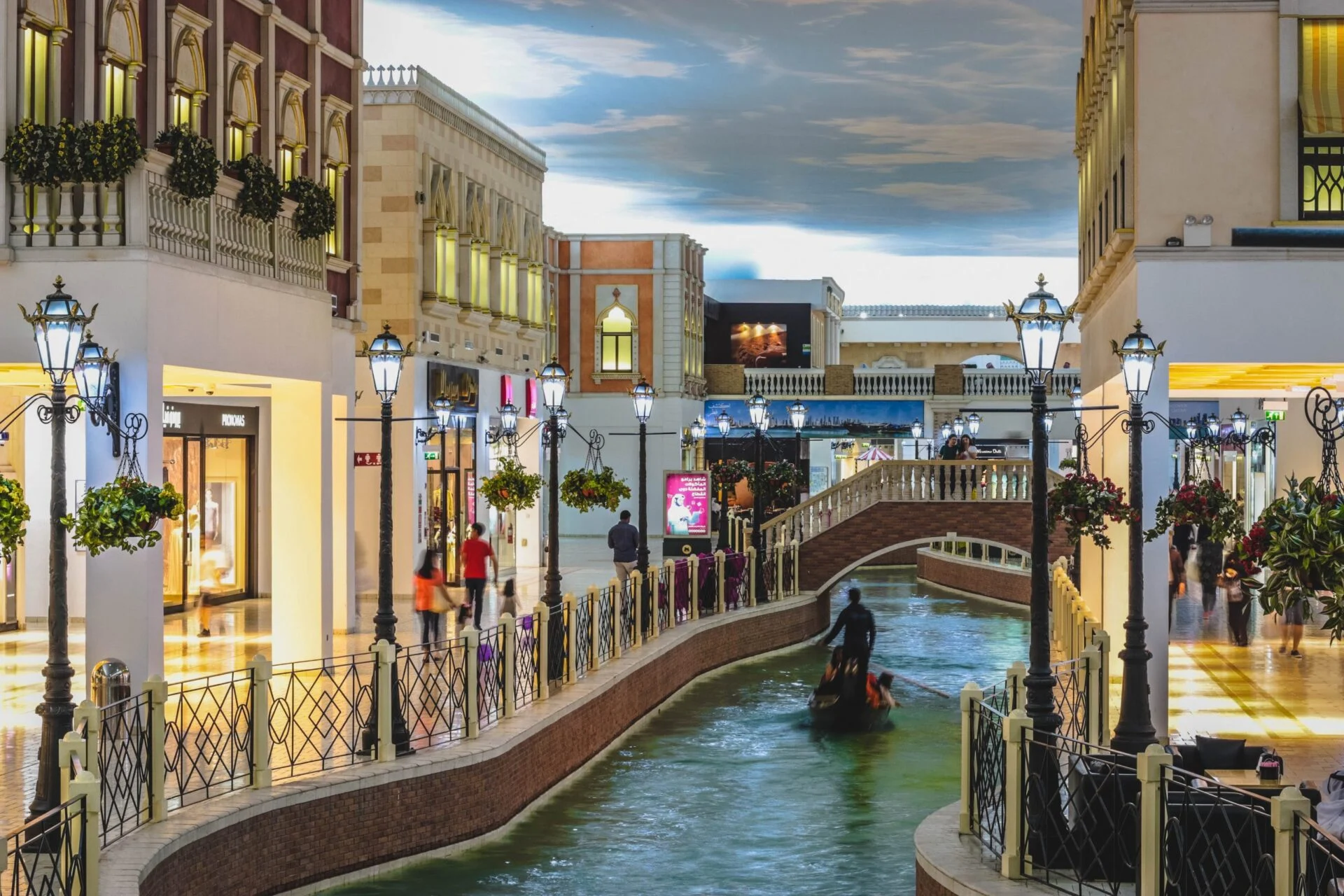
Recently, the Venetian agreed to a $7.2 million fine for anti-money laundering violations linked to illegal bookmaker Mathew Bowyer. These failures spanned the ownership periods of both Apollo Global Management and the original owner, Las Vegas Sands. The Bowyer incident reflects a turbulent closing chapter for Sands on the Las Vegas Strip.
In 2021, Sands sold the Venetian to Apollo, marking the company’s formal departure from the Las Vegas market, as it now concentrates on Macau and Singapore following unsuccessful expansion attempts in Texas and New York. Although Sands remains headquartered in Las Vegas, it has divested its casinos, and its digital division, previously based in the city, was closed last year.
Bowyer, a patron since the Venetian opened in 1999, is at the heart of $34 million in combined AML fines issued to him by four different Las Vegas operators. Most notably, the violations occurred between 2019 and 2021, during the latter part of Sands' ownership. The Nevada Gaming Control Board found that Sands did not validate Bowyer’s source of funds starting in 2019 and failed to formally ban him until 2024, well after Apollo took over. Over the course of his visits, Bowyer made 30 trips to the Venetian, depositing $22.3 million and losing $3.6 million, as reported by the NGCB. This discovery adds to a series of negative developments for Sands during the lead-up to the Venetian's sale.
The NGCB has withheld comments on this issue until it is reviewed by the Nevada Gaming Commission. Sands did not respond to requests for comment regarding this situation.
Bowyer's case has parallels with that of Zhenli Ye Gon, a known drug trafficker who frequented the Venetian in the early 2000s. Ye Gon transferred an estimated $45 million and deposited $13 million in cashier's checks at the Venetian without Sands sufficiently vetting his funds. This lack of due diligence led to Sands forfeiting $47.4 million to the U.S. government in 2013 in relation to Ye Gon after avoiding criminal charges. Prosecutors mentioned that Sands made efforts to enhance its compliance program, which helped them avoid prosecution.
In a statement concerning the Ye Gon forfeiture, U.S. Attorney André Birotte Jr. mentioned that Sands dealt with significant threats of federal criminal charges. Over the years, it appears that Sands and its founder Sheldon Adelson sought assistance from influential figures to mitigate such risks.
In a notable instance, the late Nevada Senator Harry Reid reportedly aided Sands during the Ye Gon controversy. After the forfeiture announcement, Reid indicated in an email that his intervention played a critical role in the outcome.
Another significant scandal for Sands involved former Sands China CEO Steven Jacobs, who filed a wrongful termination lawsuit in 2010, claiming pressure from Adelson to manipulate Chinese officials.
In 2015, Sands sought support from the Nevada Gaming Control Board to file a legal brief on its behalf in Jacobs' ongoing lawsuit. After the board declined again in 2016, a meeting was held between then-attorney general Adam Laxalt and NGCB Chair AG Burnett to persuade Burnett to file the motion. Burnett secretly recorded this conversation, leading to a political ethics investigation.
Burnett commented on the intense pressure placed on Laxalt to act and noted his pride in how he handled the situation during a licensing hearing earlier this year.
Sands faced hefty costs in 2016, including settling the Jacobs lawsuit for over $75 million, paying a $2 million fine to Nevada regulators for violations related to the Gon case, and incurring an additional $9 million in fines from the Securities and Exchange Commission for accounting discrepancies related to a Chinese consultant. Following these penalties, Adelson expressed the company’s commitment to strengthening its compliance programs.

