
The Las Vegas NBA Summer League has drawn considerable attention this year, particularly with the professional debuts of top prospects such as AJ Dybantsa, Darryn Peterson, and Cameron Boozer. Adding to the excitement was the anticipation of a potential vote regarding the NBA's expansion to Las Vegas, a dialogue that has been ongoing since the league began hosting events in the city in 2004.
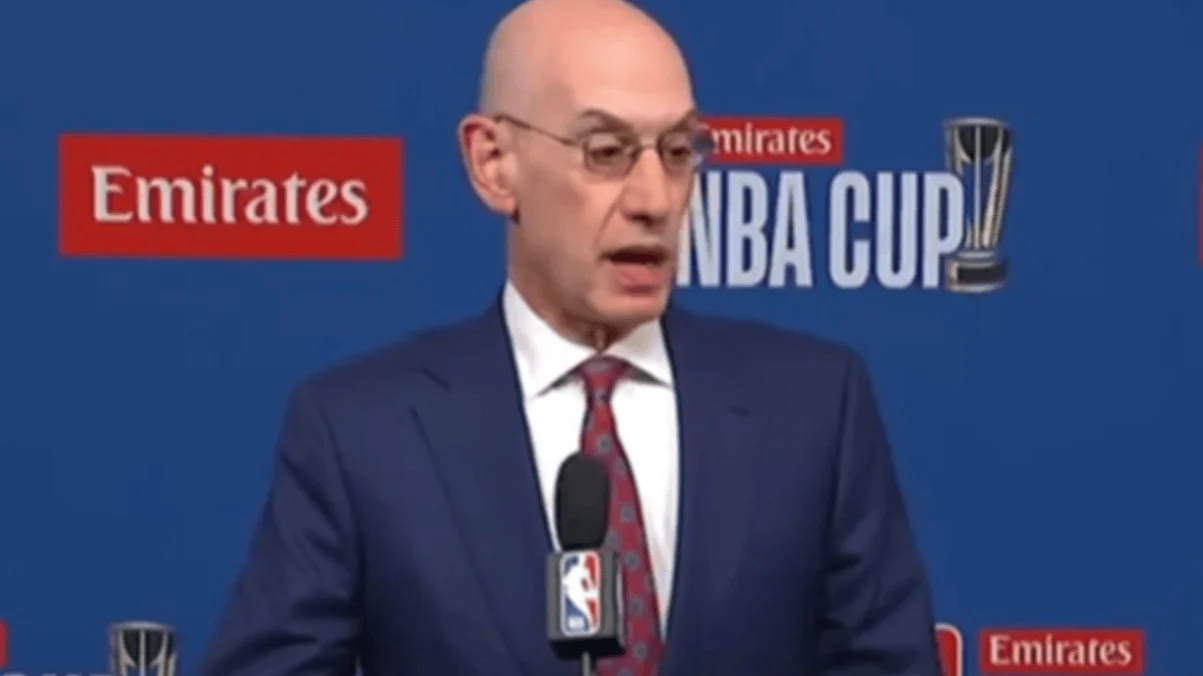
However, no vote took place, as confirmed by NBA Commissioner Adam Silver after the latest round of league owners' meetings wrapped up on Tuesday. Silver praised the longstanding relationship between the NBA and Las Vegas, expressing that the growing interest in expansion is "music to my ears" and indicated that a decision is likely to be made by year's end.
"I really appreciate what we’re seeing so far, so it’s very encouraging," Silver stated. "No votes have been taken yet. We’ve got a ways to go in terms of discussions with interested parties, but I’m optimistic about the future here."
Earlier this year, NBA owners unanimously agreed in March to consider Las Vegas—along with Seattle—as a potential relocation site for franchises. If approved, the cost of each franchise could range between $7 billion and $10 billion, placing it at the upper echelons of the market; for instance, the Los Angeles Lakers fetched a record $10 billion when sold last year.
The delay in voting applies pressure to the league’s timeline, which aims for any expansion teams to commence play in 2028. For Las Vegas, the availability and suitability of an arena remain critical. Currently, the only venue that hosts official NBA games in the city is T-Mobile Arena, which has been the site for the semifinals and finals of the NBA Cup since its inception in 2023.
T-Mobile Arena is co-owned by MGM Resorts, Barry Diller's People Inc. and Bill Foley, who is also the owner of the NHL’s Vegas Golden Knights. During a recent earnings call, MGM CEO Bill Hornbuckle stated that preliminary discussions regarding venue involvement were underway.
"T-Mobile is part of that conversation, whether it’s short-term or long-term; all roads lead to it for now… so we’re intimately involved in those conversations," Hornbuckle mentioned. He noted that MGM has been queried on how to position T-Mobile for potential bidders, with substantial interest having been expressed.
While T-Mobile currently hosts NBA games, it is broadly believed that significant renovations would be necessary to accommodate a full-time team. Foley has reportedly offered to finance upgrades estimated between $300 million and $400 million as part of his ownership bid, though there are uncertainties as competition among bidders heats up.
In terms of potential ownership, various groups have formally announced their interest in the expansion. Silver remarked that "most" of the interested parties have kept their plans private.
"Multiple very serious groups are in the process of presenting plans to our bankers, and those plans not only include who the potential owners would be, but their vision for what Las Vegas basketball could look like, where they would play, how they would present the game," Silver explained.
Notable investor groups are known to include Golden Knights owner Bill Foley, former Phoenix Suns owner Jerry Colangelo aiming for T-Mobile Arena, NBA Hall of Famer Earvin "Magic" Johnson and former Disney CEO Bob Iger, both with undisclosed sites.
Historically, owning a sports franchise in Las Vegas has proven lucrative. The Las Vegas Raiders were valued at $2.4 billion at the time of their NFL relocation approval in 2017, and their valuation has since soared to $7.7 billion according to Forbes. Meanwhile, the Golden Knights increased in value from $500 million to $2.2 billion in the same period. The MLB's Athletics, which have yet to play in Las Vegas, have also seen their valuation rise from $1.2 billion to $2 billion in the last two years.

