
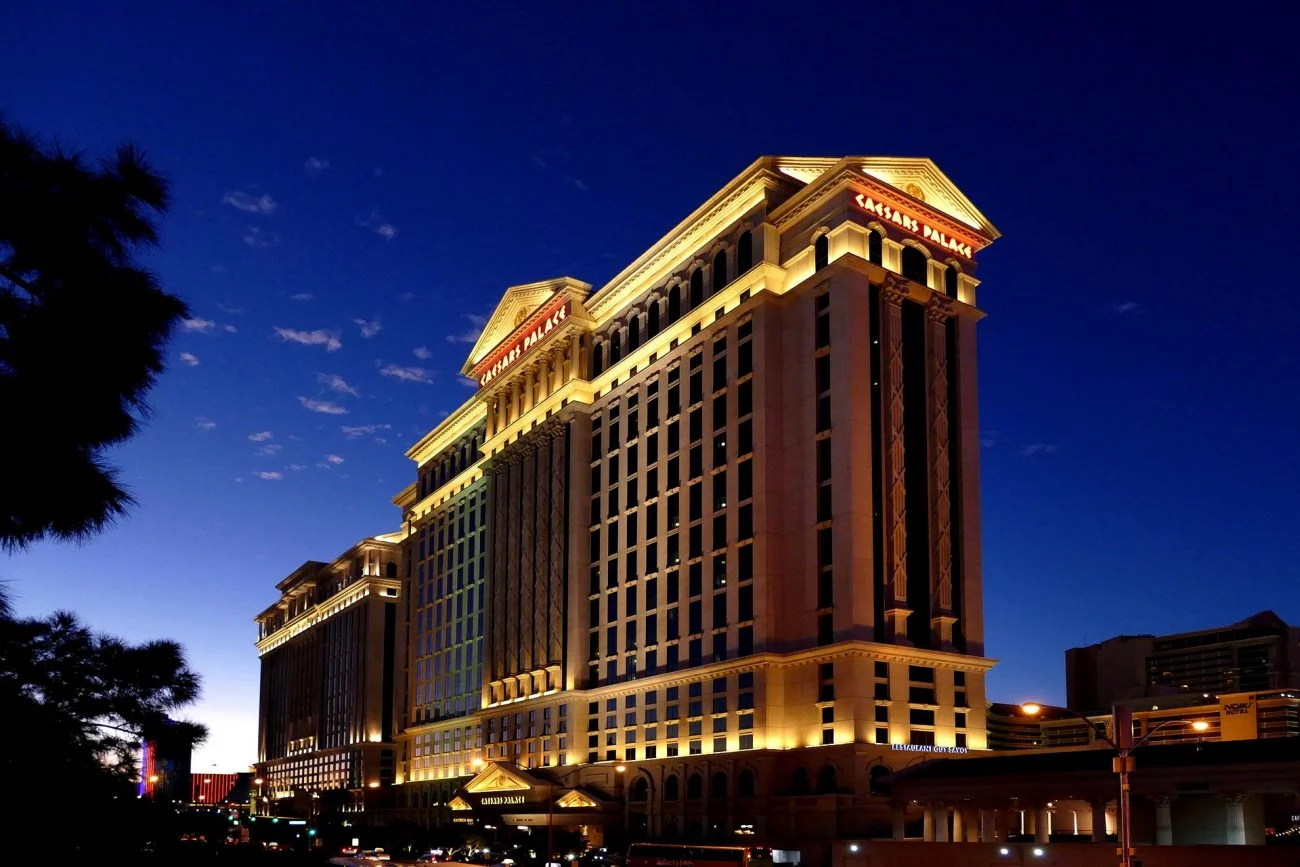
In late May, it was announced that Caesars Entertainment would be acquired by Fertitta Entertainment in a deal valued at $17.6 billion, including assumed debt. This acquisition marks a significant development in the U.S. casino industry, reminiscent of the 2020 acquisition of Caesars by Eldorado Resorts.
Rumors of Fertitta's interest in acquiring Caesars had circulated for months prior to the agreement. Following the announcement, Carl Icahn, the billionaire activist investor who had previously facilitated Caesars’ acquisition by Eldorado, reemerged as a competitor in the bidding.
A preliminary proxy filing submitted by Caesars shed light on the bidding war, revealing a timeline that started as far back as 2025 and included multiple rounds of offers and discussions. Surprisingly, it was Icahn who first approached Caesars about a deal, not Fertitta.
The terms of Fertitta’s acquisition include:
– A purchase price of $31 per share
– A per-share “ticking fee” that accrues daily if the deal is not closed by June 26, 2027
– A financing package totaling $6.6 billion, comprising a revolving credit facility and secured loans
– A $200 million termination fee for Caesars and a $450 million reverse termination fee for Fertitta
– An agreement for the Carano family to roll over significant equity into the new business.
Caesars’ board has endorsed the transaction, and a special meeting will soon be held for a shareholder vote.
The involvement of Icahn began back in 2019 when he acquired a significant stake in Caesars and led the $17.3 billion acquisition by Eldorado, which positioned the current leadership in place, including the Carano family, CEO Tom Reeg, CFO Bret Yunker, and CLO Ed Quatmann. After the Eldorado deal, Icahn sold off his shares but re-entered the picture in May 2024, gradually building another stake in Caesars. By March 2025, he struck an agreement not to offer a takeover or exceed 5% ownership of Caesars' stock in exchange for two appointments to the board.
Negotiations between Icahn and Caesars continued throughout 2025. Reeg noted that Icahn wanted to be involved in discussions, and the CEO welcomed his engagement. However, by December 2025, Icahn sought to initiate another deal. He advocated for adjustments to the board agreement, which was slightly relaxed in early December, allowing for more formal negotiations.
On December 19, 2025, Fertitta informed Caesars of its awareness of Icahn’s interest and signaled that it intended to submit an offer, prompting Caesars to enter into non-disclosure agreements with both bidders, igniting a competitive race.
Icahn made his first formal offer on January 2 this year, proposing $28.50 per share, financed through a mix of cash, equity, and third-party debt. However, Caesars found the high leverage unacceptable, leading to reluctance from the Carano family regarding any rollover of their holdings. Fertitta entered the bidding on January 9 with an offer of $28.75 per share, which was discussed but ultimately rejected during a board meeting later that month.
Both bidders adjusted their offers on January 29; Icahn's price remained at $28.50, while Fertitta raised its bid to $30.50. Reeg extended Icahn’s limited waiver on February 2 to facilitate further discussions. Icahn raised his offer to $32 per share on February 5, with Fertitta quickly matching it the next day.
Shortly thereafter, on February 17, Icahn withdrew from the bidding process, leaving Fertitta as the sole remaining bidder. Fertitta's final bid of $31 per share represented a 49% premium compared to Caesars' closing price on February 25. Notably, the first media mention linking Fertitta and Caesars did not appear until the following day.
That mention from the Financial Times may have spurred Icahn back into the competition. On February 28, the last day of his board agreement waiver, he offered $33 per share, increasing his cash contribution. The ongoing geopolitical climate associated with the Iran conflict influenced Fertitta's subsequent strategy.
Despite Icahn's last-minute offer, discussions continued with Fertitta. On March 16, Fertitta indicated with a sense of urgency that it planned to reduce its offer to $31 per share due to increasing macroeconomic risks.
In early April, an unidentified fourth bidder, labeled “Party B,” entered the picture, claiming to be a family office prepared to submit a financed offer for $36 or $37 per share. However, efforts to verify this entity yielded no results, leading Caesars to dismiss the claim as potentially fictive.
As March and April progressed, discussions between Caesars and Fertitta fluctuated over various proposal aspects, particularly concerning fees and equity arrangements. By April 28, Fertitta had officially lowered its offer to $31 per share, attributed to rising costs that had emerged since negotiations began. Although Caesars sought $31.50, it had difficulty moving Fertitta from its established position.
Eventually, an agreement was reached in the early hours of May 27, culminating in one of the most significant transactions in U.S. gaming. The formal announcement followed on May 28, although the agreement triggered a 45-day "go-shop" period during which Caesars could seek other offers until July 11.
In that time, discussions with Icahn resumed, but no satisfactory offers emerged from the other interested parties. Despite meeting with Icahn and a new financing partner, Reeg expressed reservations about the high leverage associated with Icahn’s proposal, which strained potential rollover arrangements with the Caranos.
As the go-shop period closed, Icahn returned with a final offer of $34 per share, representing his highest bid during the competition, which was responded to with skepticism regarding its feasibility and financing strategies.
The Caesars board granted a two-week extension to the negotiation period, but by the final deadline on August 10, no further advancements were made. Fertitta was ultimately declared the victor of the bidding war, roughly nine months after the initial contest began.

