
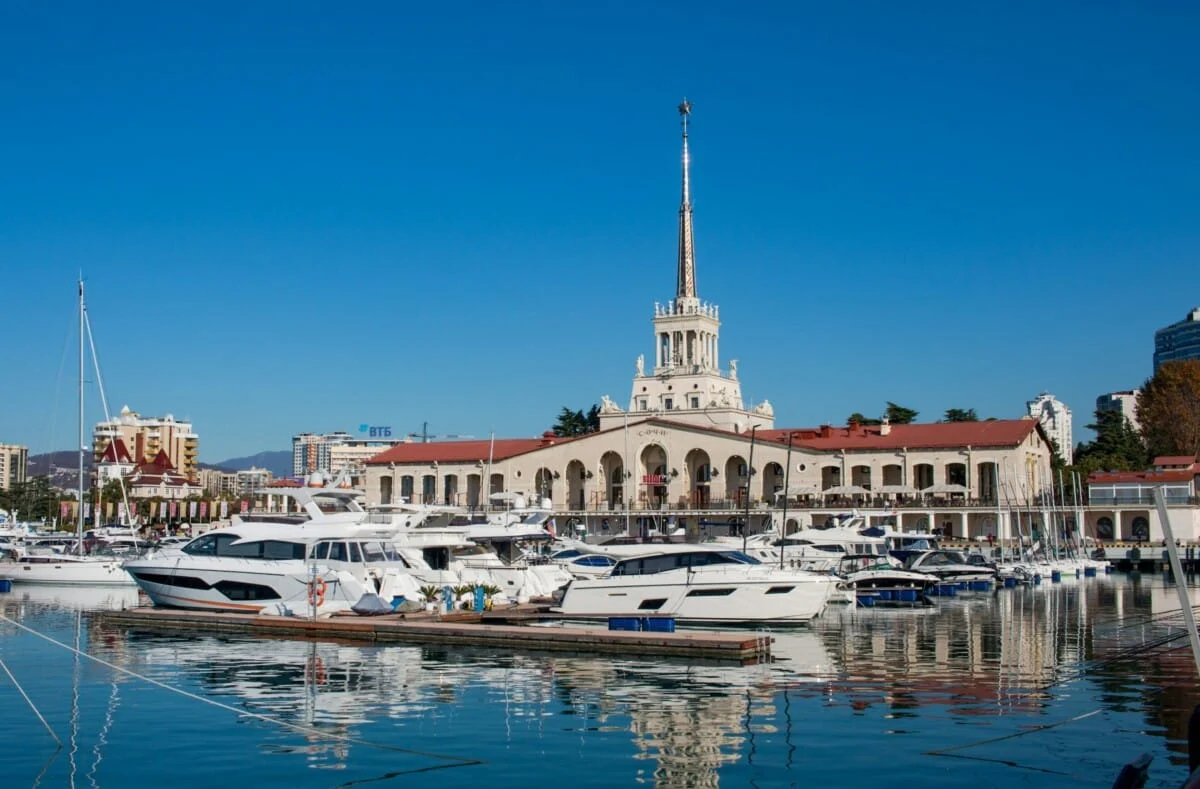
Visitor numbers at Russian casinos have increased, with a reported rise of 7.1% year-on-year in the first half of 2026. This surge has seen over 1 million travelers, both domestic and international, flock to the country’s designated gambling zones from January to June this year, according to reports from Russian media outlets Vedomosti and RBC.
These statistics were released by the Association of Entertainment and Event Tourism Industry Operators (AIRIS), which represents regulated land-based casinos. "In these challenging times for the tourism industry, gambling zones remain reliable anchor points," stated AIRIS Executive Director Dmitry Anfinogenov. He emphasized that these zones not only attract a steady stream of visitors but also aid local economic development.
Despite the ongoing conflict in Ukraine leading to a general decline in tourism, Russian Far East and Arctic Development Minister Alexei Chekunkov noted a significant increase in foreign tourists to these regions, which rose by 91% in the first four months of 2026. Chekunkov attributed this spike to visa-free travel agreements with China, particularly benefiting the Primorye Gambling Zone located near Vladivostok, which recorded 856,500 casino visitors in 2025, marking a yearly increase of over 12%. Visitor numbers from China and other Asia-Pacific countries also rose by 9%.
The AIRIS data specifies that Krasnaya Polyana, situated in Sochi, is the most popular casino complex in Russia, experiencing a 6% increase in visitors during the first half of the year, amounting to 466,300 individuals. Following closely is the Sobranie Casino located in the Yantarnaya gambling zone in the Kaliningrad region, which saw a remarkable 30% surge compared to its figures from 2025. The Shambala casino in Primorye rounded out the top three, also welcoming 6% more visitors than in the previous year.
While some critics question the effectiveness of the gambling zone model, the Kremlin continues to support it and is reportedly seeking to expand these zones further. Several existing casinos are currently undergoing substantial renovations to enhance their facilities and increase visitor capacity. Moscow has approved the establishment of two new gambling zones, including a significant project in the Altai Republic, backed by Sberbank, Russia's largest bank. This initiative, promoted by German Gref, a former government minister and one of Russia's wealthiest individuals, is expected to generate new jobs and bolster tourism revenues in Altai.
Conversely, some critics advocate for lifting restrictions on casino operations, suggesting that all major cities should be allowed to create and regulate their own casinos, with proposals made for a potential gambling zone near Moscow.
Russia has experienced a complicated history with gambling. Initially banned on July 1, 2009, casinos were gradually reintroduced through the Kremlin’s gambling zones. The government established a gambling zone in Yalta, Crimea, in 2014, and delineated its boundaries in 2019. However, progress on this zone has encountered numerous obstacles, primarily due to Crimea's contentious status as a territory of Ukraine, which has discouraged substantial investment.
Instead, investment has flowed into projects in Kaliningrad and the Far East. The Russian government estimates that approximately 6.5 million foreign visitors will enter the country by the close of 2026, with tourism firms focusing on attracting diverse markets across Asia, including China, India, and Southeast Asian countries. Despite their optimism, ongoing airspace disruptions, sanctions, and the uncertainties due to the war pose significant challenges to these efforts.

