
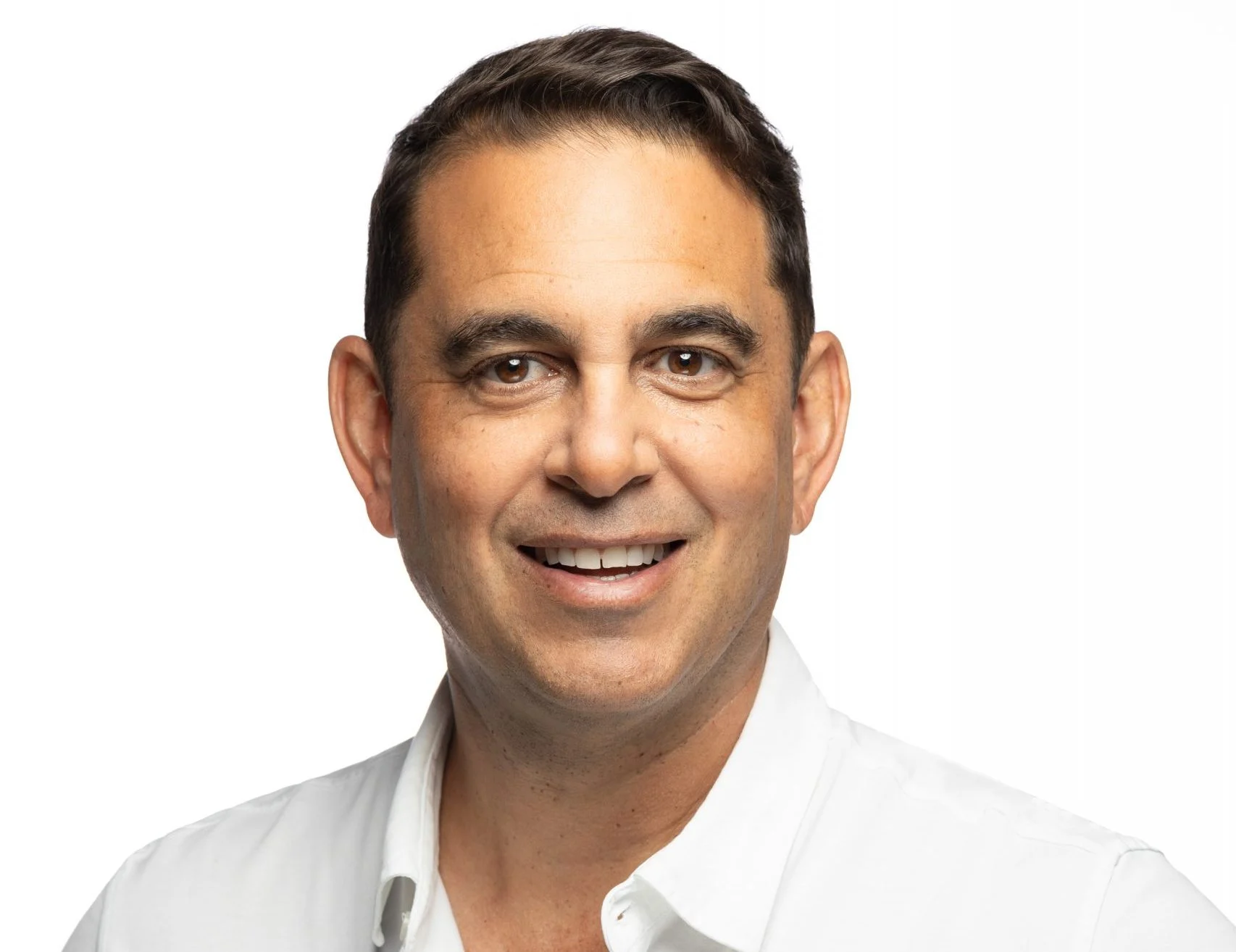
Super Group's CEO, Neal Menashe, expressed confidence that the company is positioned to seize opportunities as the UK gambling market consolidates.
The UK licensed sector has experienced significant upheaval recently, marked by tax increases for online and land-based businesses that were announced starting November 2025. As a result, numerous operators are exiting the market, and several major companies are implementing shop closures and workforce reductions.
Despite these challenges, Super Group reported that its Q3 revenue from the UK through its Betway and Spin brands increased by 13% compared to the previous year, contributing to an overall group revenue rise of 10% to $611 million for the quarter. Adjusted EBITDA for this period reached $165 million, reflecting an 8% increase year-over-year, and the company recorded a net profit of $142 million.
Menashe shared that Super Group is managing to cope with the increased tax load, thanks in part to its efficient operational model. He noted that the market consolidation, driven by the higher tax obligations, could provide the company with opportunities to capture lost revenue.
“We’re actually doing alright, believe it or not,” Menashe remarked. “We run a super lean machine, so we consolidated all our UK businesses. So at least we can mitigate some of the taxes. The small operators don’t exist anymore, so basically we can then start mopping up some of that lost revenue.”
Turning to the UK’s regulatory changes, from April 1, the online sector experienced a near doubling of the remote gaming duty from 21% to 40%. This was coupled with an increase in the machine games duty for physical operators, now set at 25%, as announced in last month’s Autumn Budget.
Menashe believes that the UK's tax structure is excessively burdensome and has urged the government to strike a better balance regarding gambling taxes. “I saw they increased the shops [MGD rate] now from 20% to 25%,” he commented. “It’s more job losses. I think what they don’t realize is that if you increase it too much, you get rid of all these operators, and most of them end up becoming black operators where you’re not getting tax anyway. There’s no protections, and there’s no responsible gaming.”
Meanwhile, Super Group is gaining traction in Africa, with Q3 revenue soaring nearly 17% year-on-year to $262 million. The company’s iGaming operations in the region saw a particularly strong performance, with that sector's revenue rising 21.3% to $205 million. Africa constituted 43% of Super Group's overall revenue in Q3, and Menashe shared that the company is exploring opportunities beyond its established operations in South Africa.
Currently, Super Group is active in eight African countries and plans to launch in Namibia next year. The company has also applied for regulatory approval in Kenya after relinquishing its previous license prior to its 2022 listing on the New York Stock Exchange. Menashe indicated that the recent regulatory reforms make Kenya appealing again. “We closed the company down,” he explained. “We paid our back taxes, which actually weren’t a lot in the end. Now it’s the cheapest market in Africa. We’re going to go through the whole process again. We should have just kept it open. We’re learning as we go, so we won’t make that mistake.”
Super Group has received licences for both sports betting and casino operations in Rwanda. Drawing from the previous experience in Kenya, Menashe acknowledged that while taxes in Rwanda are fairly high, having secured the licenses allows for increased marketing efforts if the tax environment improves. “If they change the tax tomorrow and we’re not in the market, it’s just a lost opportunity,” he added.
Menashe described how Super Group’s sportsbook in Africa functions quite differently compared to its global operation. In Africa, parlays make up about 70% of betting activity, leading to distinct dynamics in sportsbook margins that can fluctuate greatly based on results.
“We are quite different to our competitors,” he noted. “We’ve almost got like two sports businesses. The Africa sportsbook is radically different. Like 70% of it is parlays, and some can be 30 legs deep. The average is about 13, 14 legs. It’s almost a lottery business, right? Over time, you’ll find that if they win big, which is what you want them to do over time, it just takes you a bit longer to get them back, but the retention is always there.”
As Super Group closed Q3 with cash and cash equivalents totaling $602 million, speculation surrounding potential mergers and acquisitions emerged. However, Menashe characterized the company's approach to M&A as cautious, emphasizing the importance of only pursuing acquisitions that align with their operational strengths. He explained, “The reason we haven’t bought any other businesses like ours is every time we went in to look at them, the prices were just crazy. We don’t just buy standalone businesses and leave them alone. We are conservative. We aren’t going out and buying businesses with lots of debt. That’s just not us. M&A has to bolt on to what we’re looking at.

