
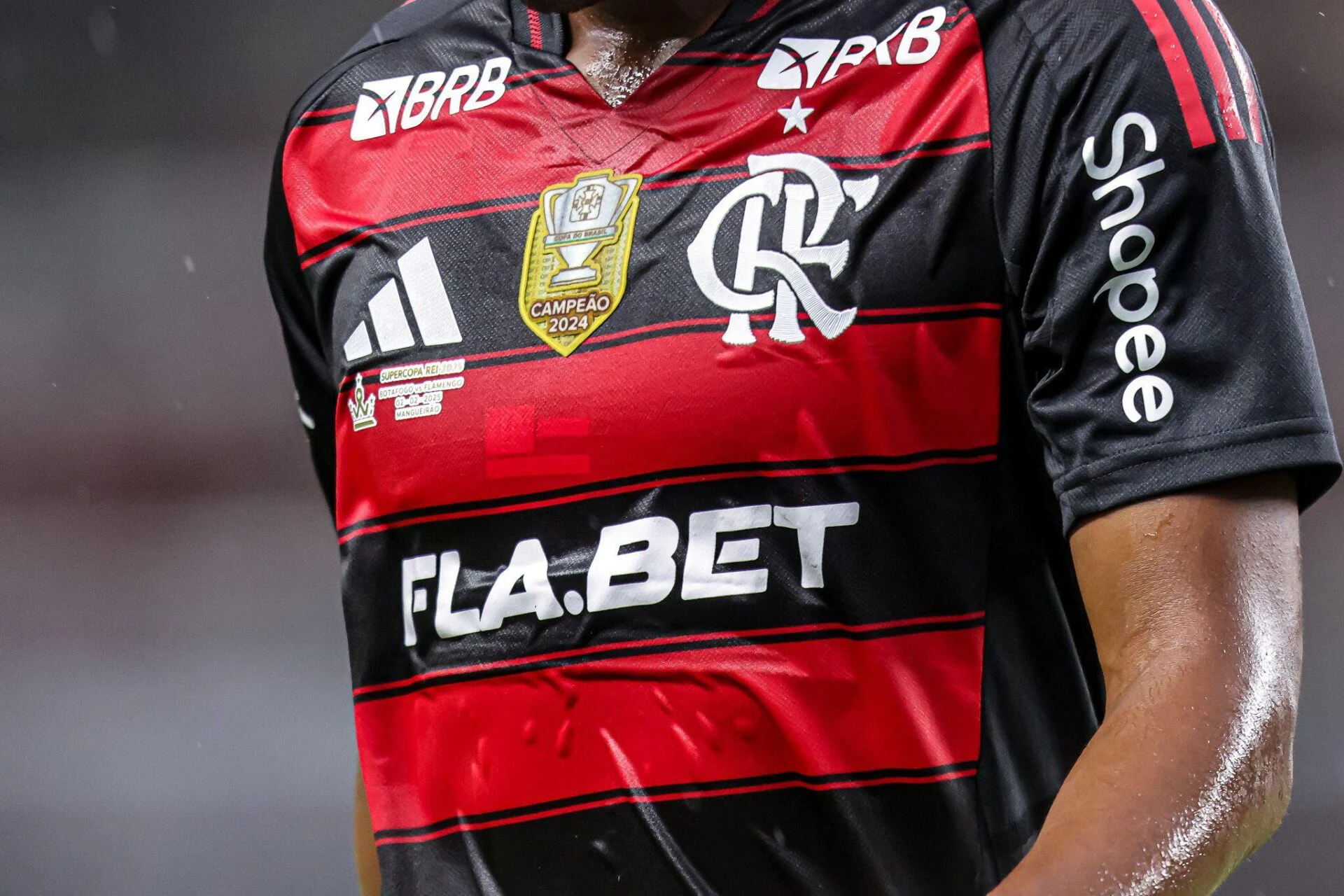
Brazil's football clubs and sports organizations have raised alarms about the country's recent betting ban, claiming it jeopardizes a crucial source of funding. The Brazilian Football Confederation (CBF) has projected a staggering BRL420 million (approximately $76.5 million) decline in revenue by 2027 due to the prohibition on betting, which affects naming rights for competitions. Currently, Betano sponsors the top-tier league, and Superbet supports the second tier.
The financial implications of this ban dominated a public hearing at the Supreme Federal Court (STF) on Tuesday. During the session, 34 entities voiced their concerns regarding Provisional Measure 1.394, which forbids betting in Brazil.
Igor Mauler Santiago, CBF’s lawyer, noted that 27 out of 40 clubs in Brazil's top two leagues rely on betting companies for primary sponsorship, representing about BRL1 billion in agreements, or 35% of the total sponsorship revenue for these clubs. Santiago pointed out that the ramifications extend beyond just jersey sponsorships, also affecting the value of television rights and various advertising platforms, including pitchside boards.
"CBF trusts that the three branches of government will be able to reach an appropriate and reasonable solution, balancing the important issues of health, legal security, and economic and sporting development," Santiago remarked during the hearing.
Individual clubs underscored their reliance on betting sponsorships. Flamengo estimated potential annual losses of BRL430 million, largely from its master sponsorship with Betano and associated broadcasting rights. Flamengo Vice President Flávio de Araújo Willeman emphasized that the club structured its financial plans based on the existing regulatory framework when they signed contracts with betting sponsors. "It was on this basis that Flamengo entered into contracts with betting companies that displayed sponsorships on the jerseys," he declared. Willeman maintained that the government should not ban betting outright but should instead seek effective regulation to address associated issues: "If there are problems with betting, let’s confront the problem with more effective regulation to curb the harmful effects."
Fluminense's president, Mattheus Reis e Montenegro, noted that betting sponsorships comprised 34% of the club's revenue in 2025. He cautioned that smaller clubs in Rio de Janeiro could see their revenues slashed by 50% due to their dependence on this funding.
"The Provisional Measure directly affects two of these revenues," Montenegro said, pointing to sponsorship and pitchside advertising alongside broadcasting rights. "It eliminates the main sources of income for football."
Botafogo referred to its agreement with Vbet, signed in November 2025, as the largest in its history, supporting not only the club but also its youth academy and women's football initiatives. Club representative Bichara Abidão Neto urged for an urgent suspension of the measure's effects.
Cruzeiro indicated that its sponsorship from betting companies represented funds equivalent to four or five payrolls. José Francisco Manssur, representing the club, stated that regulatory measures, not outright prohibition, should be the way forward: "I believe that the solution to the problems caused by addiction and indebtedness lies in regulation and oversight, not in prohibition."
Vitória reported that betting sponsors and pitchside advertising accounted for nearly 17% of its annual revenue of BRL290 million. São Paulo claimed around BRL101 million in revenue from betting-related sponsorship and advertising in the first nine months of the year, highlighting an ongoing agreement with Superbet set to run until 2030.
The implications of the betting ban extend beyond professional football; the Brazilian Olympic Committee (COB) forecasts that revenues tied to betting could decline to BRL130 million in 2027, or roughly 20% of its budget. When considering other sports organizations benefiting from these funds, the total figure rises to BRL325 million.
COB representative Pedro Henrique Rebelo de Mendonça cautioned that reduced funding would necessitate adjustments or cancellations of planned projects. "Any reduction in revenue implies readjustment or cancellation of planned projects," he stated, warning of potential losses for various sports federations.
The Brazilian Paralympic Committee also noted that funding from betting has fostered the growth of Paralympic sports, with its president, Mizael Conrado, labeling the support as “fundamental” for the sector's development. Meanwhile, the National Federation of Professional Athletes (Fenapaf) voiced concerns about the risk of unemployment among athletes, and a potential increase in manipulation attempts due to funding losses.
The clubs stressed the legal uncertainty stemming from the government's actions, as they had organized their financial agreements based on a regulatory structure established after betting companies received the green light to operate.
The hearing, led by Minister Luiz Fux, is part of the Supreme Court's examination of Provisional Measure 1.394, which is currently being contested by ANJL, seeking its suspension. No rulings on the ban were delivered during the hearing, leaving the future of this controversial decision uncertain.

