
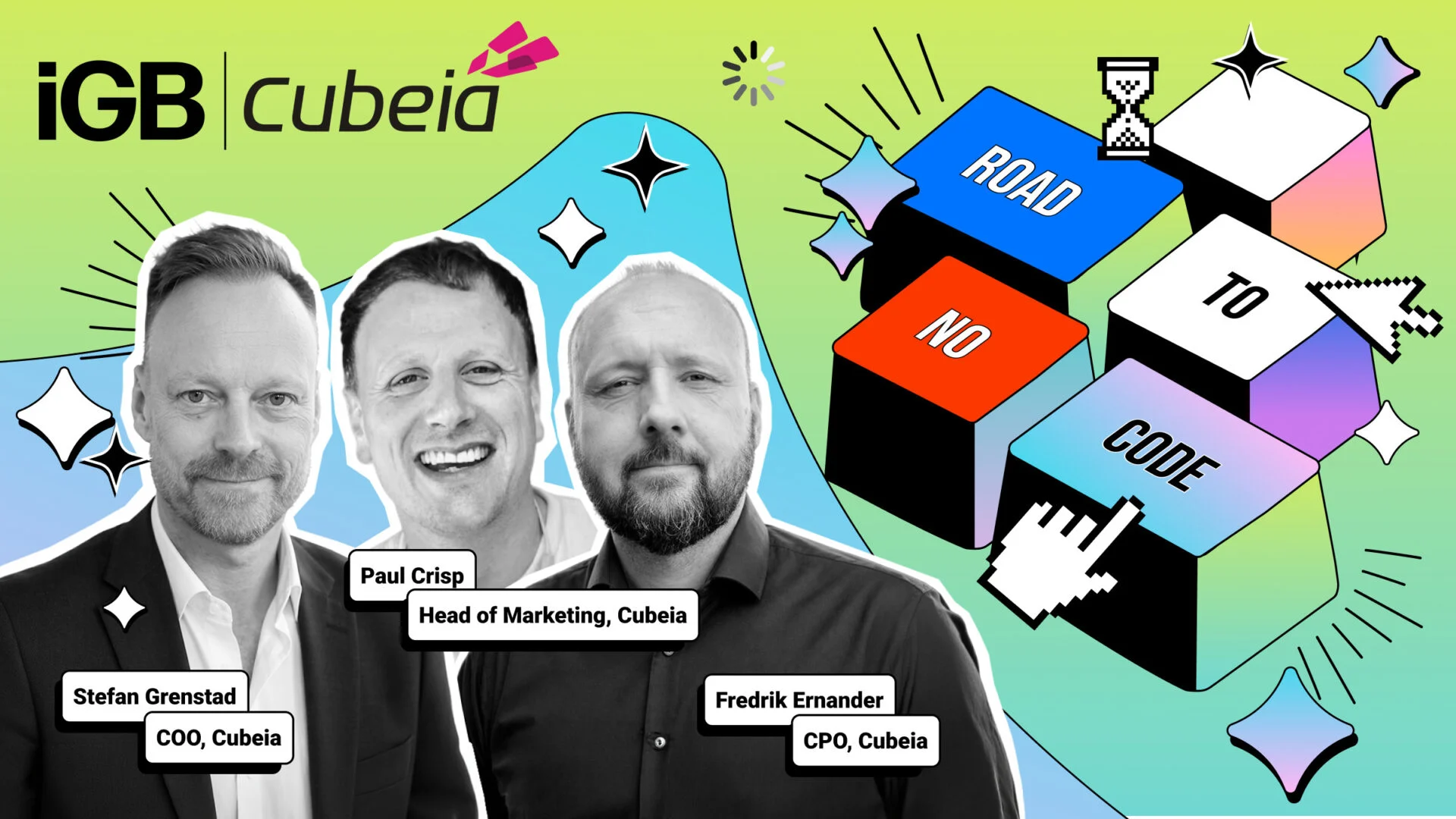
Transitioning to a new operational model is never straightforward, and for Cubeia, an iGaming platform developer, adopting fully AI-assisted coding presented unique challenges. In April, the company made the pivotal decision to integrate AI, particularly utilizing Claude's LLM, to expedite development and enhance software updates for its clients.
By mid-July, COO Stefan Grenstad confirmed that Cubeia had achieved a fully AI-driven front-end, while the back-end was nearing completion at 90% to 95% AI integration. This change has indeed led to faster release cycles, allowing for a greater number of updates compared to the previous reliance on human coding.
However, the management team faced unexpected challenges. Grenstad noted that the transition tested the capabilities of their development staff more than anticipated. "What’s been very obvious here is that those of my developers that have a hard time with context switching are struggling because to increase productivity, you need to be a multi-tasker," he said.
As multiple AI agents run concurrently, developers may manage numerous tasks simultaneously. Grenstad emphasized finding a balance for how many parallel tasks each developer can effectively handle. This shift has necessitated additional training and a restructuring of responsibilities to better align with new workflows.
The team is now openly discussing daily task limits. Some tech leads expressed skepticism regarding the shift to AI-generated code, but others have found themselves embracing the new system. Grenstad mentioned that one senior developer who was initially doubtful has adapted well, utilizing Claude as a sounding board to enhance his work.
Despite the rapid pace of software releases—where attempts increased from four to six monthly releases to ten in June and ticket volumes surged—some team members are concerned about maintaining control and ensuring quality amid the fast changes.
The transition is also prompting a reassessment of Cubeia’s organizational structure, focusing on integrating AI across all functions. A notable area of consideration is enhancing the integration of quality assurance (QA) within the development cycle, now that releases occur more rapidly. "When we try to start with AI-driven QA, they should go hand in hand at the same time," Grenstad pointed out. Under the new model, developers will be accountable for tasks until they reach production, which includes the QA process.
Supporting developers throughout this transition is crucial as they adapt to the new expectations. Grenstad expressed confidence in his tech leads and their commitment to assisting those who struggle. "I think everybody agrees now that this is the way we should be working. This is the future," he stated, acknowledging that while the pace has accelerated, maintaining quality remains a significant concern.

