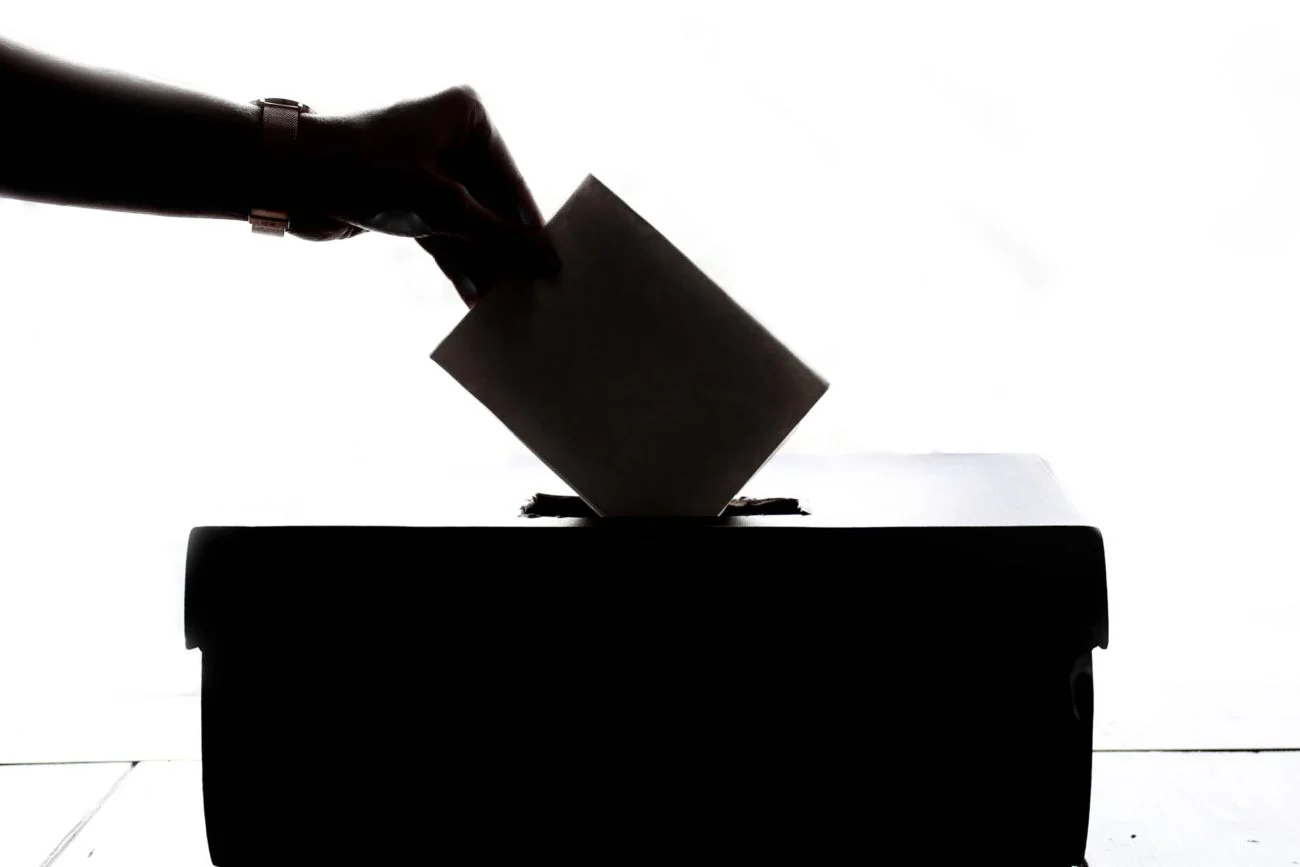
As the U.S. midterm elections approach, several ballot measures related to gambling will play a critical role for certain sectors of the industry, even though gambling isn't a standalone issue.
In Nebraska, voters will consider Initiatives 440 and 441, which aim to establish online sports wagering connected to licensed racetracks. Virginia, on the other hand, has two local measures that could allow for more horse racing betting venues. Meanwhile, residents of three counties in Indiana will vote on whether to allow licenses for new inland casinos.
In Nebraska, Initiative 440 is a constitutional amendment that would enable the legislature to authorize online sports betting for operators linked to licensed racetracks that already offer wagering. Complementing this, Initiative 441 is a statutory proposal that would empower Nebraska's Gaming Commission to create regulations for online sports betting. For the proposed system to move forward, both initiatives must receive voter approval.
This plan will maintain Nebraska's existing framework centered around racetracks. Licensed racetracks could collaborate with online betting companies, such as BetMGM and DraftKings, to provide online wagering options. Each operator would be limited to two skin licenses, and the platforms must operate servers based in Nebraska. Additionally, the legislation mandates that the state gambling commission develop rules by June 1, 2027, regarding sports betting regulations, incorporating responsible gambling measures and requiring checks for any outstanding state debt before winnings are disbursed.
These initiatives have been a topic of discussion in Nebraska for some time, with constitutional changes first brought to light last year. However, during a public hearing in spring 2025, the opposition voiced strong concerns, particularly about gambling addiction. Les Bernal from Stop Predatory Gambling characterized legal betting as a “policy failure,” citing increases in addiction rates and societal harms as major issues.
Interestingly, a shared concern between proponents and opponents surfaced regarding the illegal gambling market. Advocates argue that legalization could help law enforcement combat illicit activities, while critics contend it might increase overall gambling participation. Major sportsbooks, including BetMGM, DraftKings, FanDuel, and Fanatics, have backed Measure 441.
Virginia’s ballot measures focus on more localized concerns. Voters in Pulaski and Amherst County will decide if pari-mutuel wagering should be allowed at satellite facilities compliant with state law. A positive vote would lift local restrictions, although obtaining a necessary license would still be mandatory. Virginia law demands local voter consent before any satellite site can gain state approval.
In 2021, Amherst's residents rejected a similar initiative by a vote of 7,293 to 6,189 following a significant community opposition campaign. The outcome in Pulaski will similarly allow residents to weigh in on the potential establishment of a satellite betting venue, a yes vote would facilitate the licensing process but would not address planning or operational concerns.
In Indiana, a referendum will determine if inland casino gambling is permitted in Allen, DeKalb, and Steuben counties. Recent legislation passed in 2026 opened a pathway for a new casino in one or these counties, contingent on voter approval. Governor Mike Braun signed HB 1038 into law on March 4, establishing a new state casino license.
Should voters approve the measure in any county, prospective developers will still need to apply to the Indiana Gaming Commission. A decision is expected by April 15, 2027. The winning proposal will involve a $150 million licensing fee along with a minimum capital investment of $500 million over five years. According to fiscal assessments, casinos could yield annual revenues ranging from $170 million to $230 million in adjusted gross receipts.