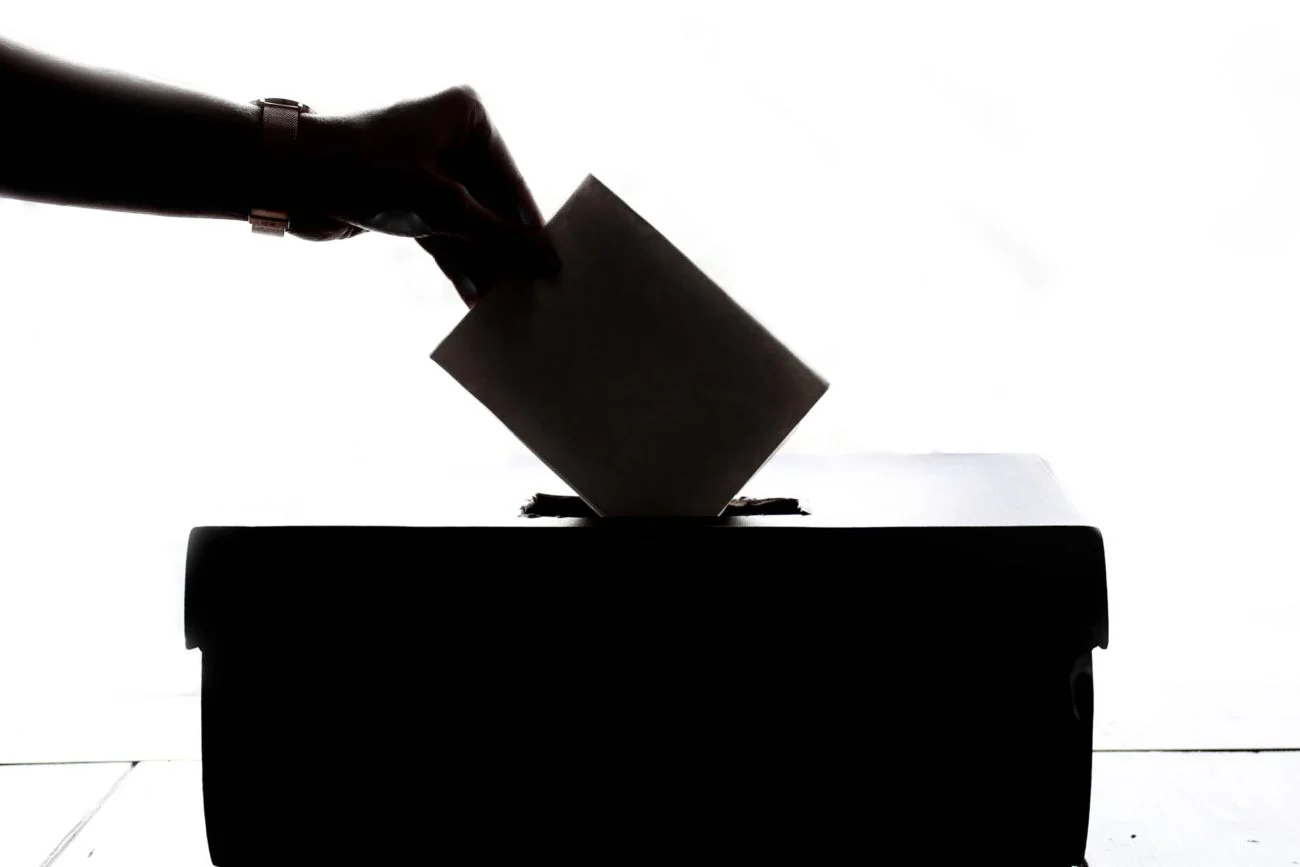
As the US midterm elections approach, several states will have key measures on the ballot that could significantly impact the gambling sector.
In Nebraska, ballot Initiatives 440 and 441 propose a system for online sports wagering tied to licensed racetracks. Initiative 440 seeks to amend the state constitution to allow the legislature to authorize online sports betting for operators associated with licensed racetracks. Initiative 441 is a statutory measure that would enable the Nebraska Gaming Commission to write regulations for the new online betting framework. Both initiatives must pass for the system to be established.
This framework would allow licensed racetracks in Nebraska to collaborate with online betting companies like BetMGM or DraftKings, providing they adhere to a cap of two online skins per operator. According to the proposals, servers for these online platforms must be based in Nebraska. Additionally, the state gambling commission is tasked with formulating the rules for sports wagering by June 1, 2027. Other provisions include responsible gambling measures and checks for state debt before any winnings are disbursed.
These initiatives have been topics of discussion in Nebraska politics for some time, with the constitutional amendment gaining attention last year. At a legal betting hearing in spring 2025, opponents voiced concerns about addiction linked to legalized gambling. Les Bernal, from Stop Predatory Gambling, described legal betting as "an epic policy failure," arguing that addiction rates often rise in legalized environments, overshadowing any benefits.
Despite opposing views, a point of consensus among both proponents and opponents is the issue of Nebraska's illegal gambling market. Supporters of the initiatives believe that legalizing betting would help law enforcement combat illegal operations, while detractors argue it might simply increase overall gambling participation. Support for Measure 441 has been expressed by major sportsbooks like BetMGM, DraftKings, FanDuel, and Fanatics.
Meanwhile, Virginia voters will weigh in on two local measures regarding pari-mutuel wagering, which pools all bets of a particular kind together. Citizens of the town of Pulaski and Amherst County will decide if satellite facilities in their neighborhoods can host this form of betting under state law. A positive vote would eliminate a local restriction, although the facilities would still need to secure licenses. Virginia law mandates local voter approval for a satellite site to gain state authorization.
In 2021, a similar proposal was turned down in Amherst, where voters rejected it by a margin of 7,293 to 6,189 amidst considerable local opposition. The vote in Pulaski will similarly give residents a say in whether to consider a satellite venue in their town. Approval would merely allow licensing to commence; it wouldn't finalize any planning or operational decisions.
Over in Indiana, voters in Allen, DeKalb, and Steuben counties are faced with a referendum on permitting inland casino gambling in their areas. New legislation from Indiana's 2026 session provided a pathway for establishing a casino in one of the counties, contingent on voter consensus. Governor Mike Braun enacted HB 1038 on March 4, establishing a new state casino license.
Should voters approve the measures in one or more counties, prospective developers would be required to apply to the Indiana Gaming Commission, which is slated to make a decision by April 15, 2027. Furthermore, the successful developer would incur a $150 million licensing fee and must commit a minimum of $500 million in capital investment within five years. The legislative fiscal impact statement estimates that each casino could yield between $170 million and $230 million annually in adjusted gross receipts.