
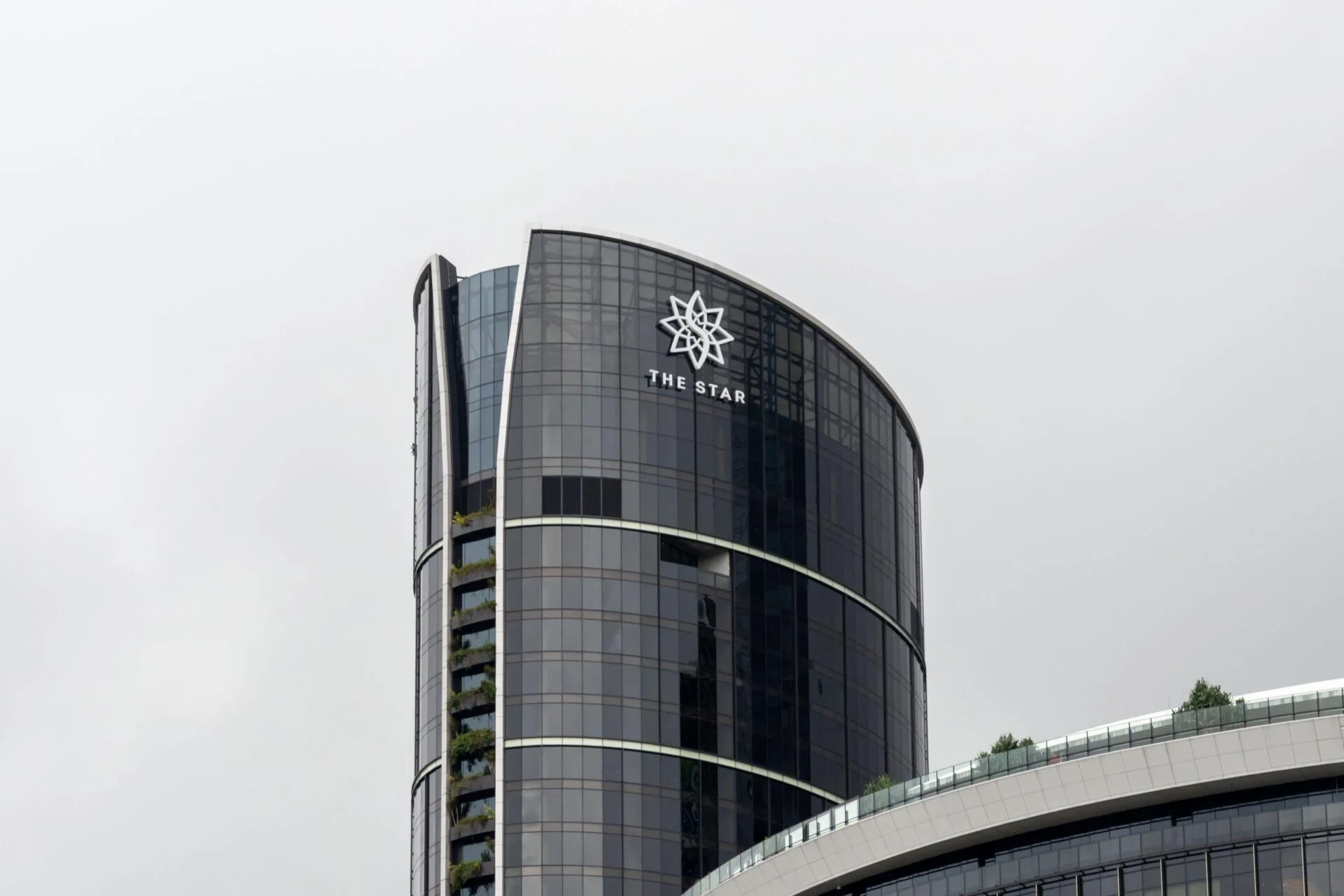
The Federal Court has reached a significant decision regarding The Star Entertainment Group, imposing a hefty AU$260 million ($182 million) penalty for violations of Australia’s anti-money laundering and counter-terrorism financing (AML/CTF) laws. This ruling, handed down by Justice Moore and made public on Wednesday, stems from extensive investigative efforts and regulatory actions by state and federal authorities concerning the casino operator’s practices in Queensland and New South Wales.
Justice Moore identified substantial compliance failures on The Star's part, noting that the company did not uphold a compliant AML/CTF program and neglected to monitor customers adequately to identify and mitigate risks associated with money laundering and terrorism financing. The court indicated that The Star’s infractions included a lack of proper customer identity verification and insufficient due diligence on the sources of customer funds. Notably, the casino permitted transactions and cash deposits from third parties without recording their identities and allowed access to private gaming areas despite observing suspicious activity.
These oversights significantly impeded AUSTRAC (Australian Transaction Reports and Analysis Centre) and law enforcement agencies in their efforts to track illicit funds and thwart criminal operations. The court also revealed that over 1,200 customers were permitted to gamble through “high-risk channels” without adequate AML/CTF protections. Additionally, revenue associated with junket operations surpassed $1.4 billion, with profits from pre-Covid junket activities exceeding $100 million. The Star estimated that revenues generated from high-risk customers between November 2016 and November 2022 approximated $1.33 billion.
Justice Moore highlighted that these figures reflect the profit potential stemming from a non-compliant approach, although they do not provide a direct measurement of illegal activity benefits.
Describing the breaches as systemic and severe, AUSTRAC, the federal body overseeing financial intelligence regulations, expressed disapproval. AUSTRAC Chief Executive Brendan Thomas emphasized that the hefty penalty underscores the seriousness of these breaches and builds upon earlier state and federal fines to enhance deterrence. He pointed out The Star’s failure to define revenue flows accurately during gaming activities, stating, "The court found The Star did not simply fail to complete the right checks. It allowed high-risk customers to gamble without properly establishing where their money came from and put profit over compliance on a large scale."
Thomas criticized The Star for operating effectively as a “private casino within its casino,” with inadequate oversight that enabled continued access for excluded customers and junket operations despite the known risks. He firmly stated, “We will not tolerate companies putting profit over their obligations to the Australian community.”
This ruling fits into a broader context of previous penalties and ongoing civil proceedings against The Star over the past few years. In 2022, AUSTRAC initiated civil proceedings against the company, during which two former senior executives were found by the Federal Court to have violated the Corporations Act 2001 by failing to manage and report risks associated with money laundering and criminal activities.
Though AUSTRAC suggested potential fines up to $400 million, Justice Moore explained that the AU$260 million figure considered prior penalties totaling $200 million already paid by The Star, licenses suspensions, and the involvement of an external manager.
In a related matter, the New South Wales Independent Casino Commission (NICC) recently decided to extend The Star Sydney’s casino license until summer 2027. Nicholas Weeks will continue as the external manager, acknowledging the steps the casino has taken towards progress and emphasizing that the parent company still held responsibility for the extended term. Conversely, The Star Gold Coast faced a different fate, with its license suspension deadline being pushed back to 2027, following recommendations from Weeks.

