
MGM Resorts confirmed on Wednesday that discussions with its largest shareholder, Barry Diller's People Inc, regarding a takeover have ended, with neither company pursuing any acquisition of the other.
On June 1, People made a substantial offer to buy the 74% of MGM's shares that it does not already own at a price of $48.30 per share. After months of consideration, People withdrew its offer on September 23, leading to speculation that MGM might consider acquiring People. However, MGM CEO Bill Hornbuckle clarified, "We’re going to refocus on our business, the dialogue back and forth between us and People on you-buy-us, we-buy-you… we’re done, and that’s our position and that’s People’s position."
On the same day as the announcement, MGM revealed a revised voting agreement with People. Under this new agreement, People will not exceed 29.9% ownership of MGM shares and has agreed to vote in accordance with the board’s recommendations in the event of a change of control transaction. In return, MGM pledged not to implement any defensive measures detrimental to People or Diller.
For the third quarter, MGM reported group revenue of $4.2 billion, reflecting a slight 1% decrease from the previous year. Adjusted EBITDA for the group dropped 20% year-over-year to $403 million. MGM reported net losses of $17 million for the quarter, a significant reduction from the $285 million loss recorded the prior year. Losses per share dropped from $1.05 last year to $0.07 this quarter.
In trading on Wednesday, MGM stock fell by 2.5%, closing at $27.27. Following speculation surrounding the takeover, shares had surged above $50 in June but have since seen a decline, with a 25% drop in value this year and a staggering 42% decrease over the last five years.
Analysts focused heavily on MGM’s operations in Las Vegas, which saw a revenue decline of 2% to $2 billion, while adjusted EBITDAR for that segment decreased by 12% to $531 million. These declines were primarily attributed to weakened non-gaming performance, with average daily rates and revenue per available room (revPAR) both suffering an 8% decline. However, casino revenue benefitted from a notable 17% increase in table games win, which amounted to $363 million.
Hornbuckle remarked on the overall performance, stating that Las Vegas EBITDAR for the last 12 months was 70% higher than what MGM recorded for the full year in 2019. Still, some analysts expressed skepticism, indicating that revPAR has now decreased for eight consecutive quarters.
"Undoubtedly, Las Vegas has been hurt more than most (travel markets)," Hornbuckle acknowledged, pointing to issues like international travel restrictions.
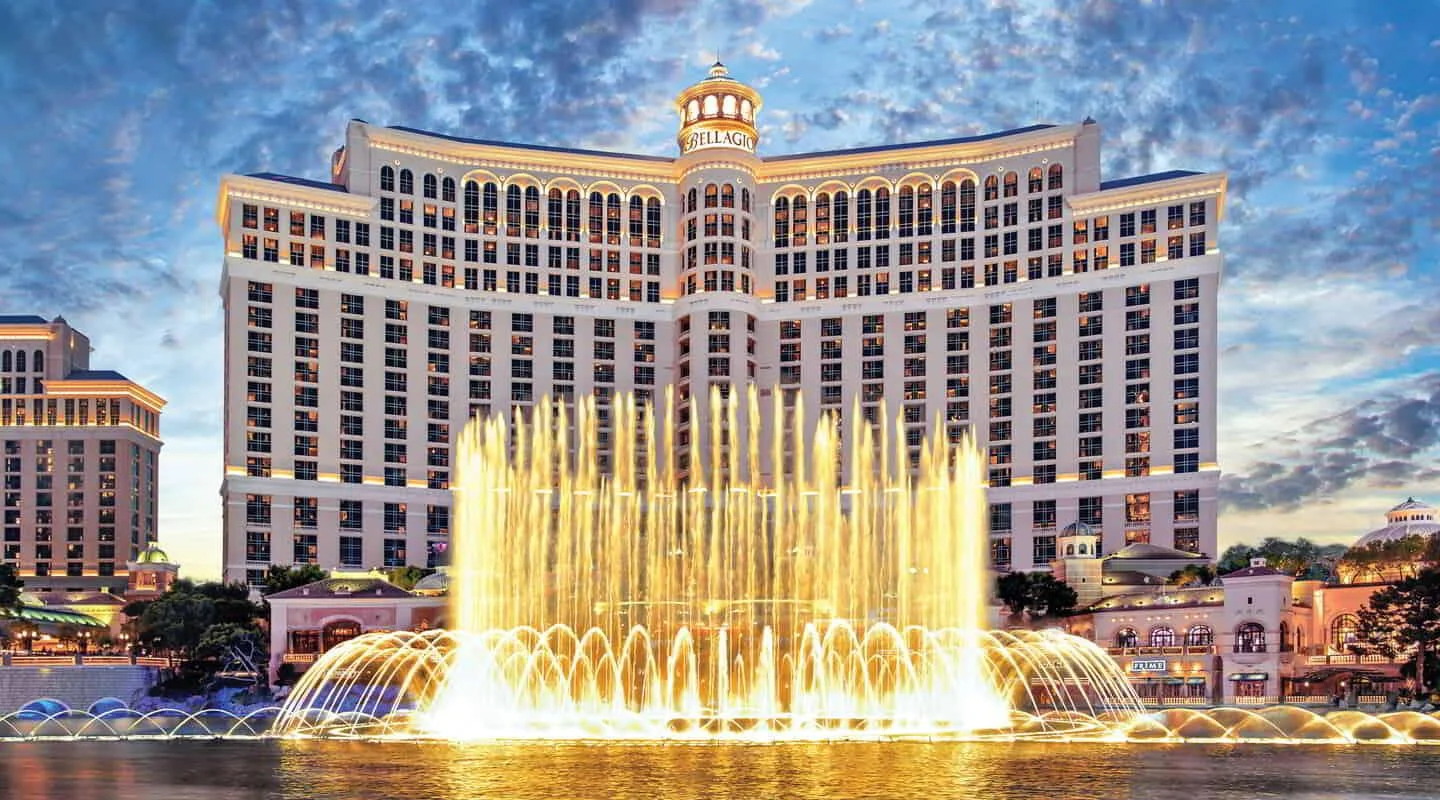
MGM is prioritizing its higher-end properties, including the Bellagio and Cosmopolitan, during this challenging period. Plans for capital investment in these venues were highlighted in MGM's Q3 investor presentation, while lower-end operations have struggled, largely due to macroeconomic conditions.
Hornbuckle anticipates improved conditions, asserting, "I think over time, we’re going to need relief on fuel, gas and airline pricing as well… but we see a better looking (fourth) quarter than I think we came out of the summer with."
In the regions outside Las Vegas, MGM recorded revenue of $883 million, a decline of 8% from the previous year, with adjusted EBITDAR down 18% to $243 million. The overall casino revenue in regional markets fell by 10%, primarily due to an 11% drop in slot win.
MGM COO Ayesha Molino acknowledged the underperformance in the casino segment as "material," but expressed confidence in their operational efficiency across various properties.
The regional segment stands to gain from the construction of a new 6,000-seat Sphere entertainment venue near MGM's National Harbor casino in Maryland. The Prince George's County Council has unanimously approved up to $215 million in public financing for this venue, expected to cost $1.4 billion and open in 2030.
MGM’s balance sheet at the end of the quarter showed $2.3 billion in cash against a total long-term debt of $5.6 billion. Despite having over $1 billion remaining in stock buy-back authority, CFO Jonathan Halkyard noted that the company did not repurchase shares in Q3 due to ongoing acquisition talks.
In a separate report, MGM China set a new revenue record of $1.1 billion for the quarter, marking a 5% increase from the previous year. However, its segment-adjusted EBITDAR fell 7% to $264 million.
Kenneth Feng, CEO of MGM China, noted several factors impacting their margins but emphasized a focus on efficiency. In Asia, the development of MGM Osaka continues to progress toward a 2030 opening, with the project about 11% complete and remaining on schedule and budget. Hornbuckle described it as the "greatest integrated resort opportunity anywhere on the globe," noting that Osaka reported more visitors than Singapore in 2025 and will have more gaming machines than the Marina Bay Sands and MGM's Macau locations combined.