
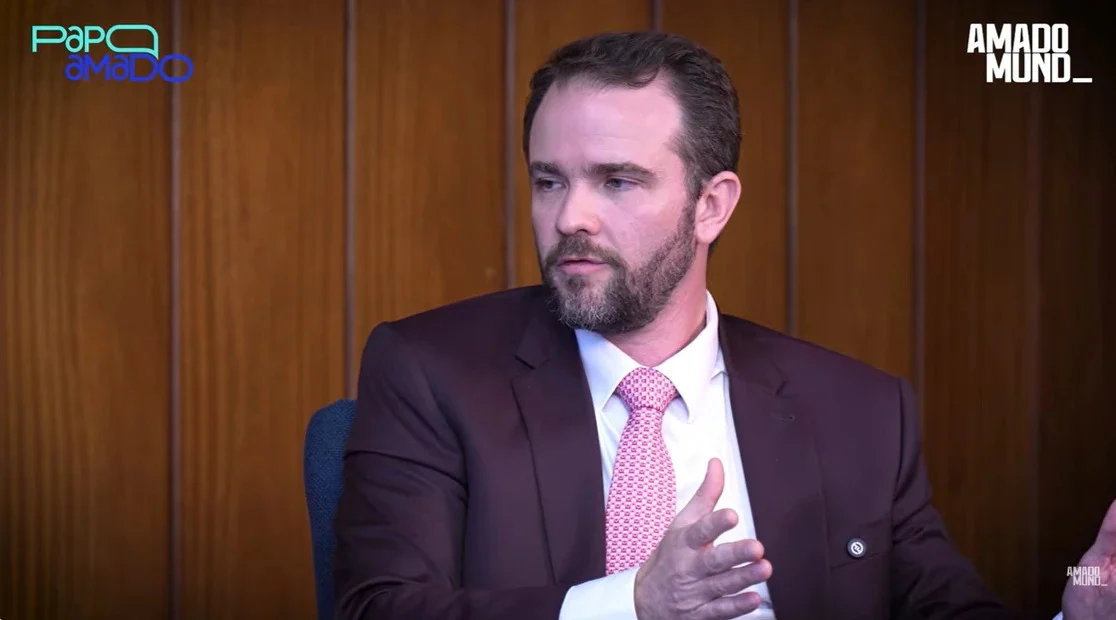
Brazil's Finance Minister Dario Durigan affirmed that the nation does not rely on betting revenue to support its public finances. He emphasized that regulatory measures around betting have been established and are not primarily aimed at revenue generation.
"Tax collection is part of the economic game and all sectors contribute," said Durigan. "The same happens with betting."
Durigan advocated for treating the betting sector with the same level of scrutiny applied to cigarettes. In a recent interview with Guilherme Amado for Amado Mundo, he noted that the Brazilian government, under President Luiz Inácio Lula da Silva, has acted on legislation that mandates regulation for sports betting.
"The legislation required the sector to be regulated, something that did not occur during the previous government," he explained. "We entered office with the sector already operating for nearly five years.
"We observed the industry's influence on football and advertising, alongside its political and economic significance. Recognizing that Congress was unlikely to ban the activity, we opted for regulation to impose foundational rules.
"It's not that I want to collect taxes out of necessity; rather, I support tax collection for fairness: a car company pays taxes, a beverage company pays taxes, and if betting is authorized, it too should contribute."
During the interview, the minister referenced proposed tax reforms from the Ministry of Finance, including a recent initiative to ban individuals receiving social welfare benefits from gambling.
Durigan recalled President Lula's concerns regarding the financial burden and overall quality of life for the population. "Therefore, we are actively engaging in discussions on this matter," he said. "I've been to Congress, the Supreme Federal Court, and the Attorney General's office to discuss betting's impact on the lives of Brazilians.
"We have made strides, increasing the direct tax rate to 15% and introducing it to the Selective Tax framework. Those receiving benefits from social programs and participants in the Desenrola program are also prohibited from gambling."
He highlighted a self-exclusion mechanism implemented by the government as part of responsible gambling measures.
"The debate surrounding prohibition will remain alive in the country for the foreseeable future," he acknowledged. "This will be a democratic discussion involving the Supreme Court, Congress, and the executive branch."
The minister did not suggest that the government would move to prohibit gambling outright.

