
Stake's legal team is preparing to challenge a recent decision by a Brazilian court that lifted an injunction temporarily shielding the operator from a nationwide betting ban.
In late September, President Luiz Inácio Lula da Silva implemented a ban on licensed betting, raising concerns within the industry. Stake initially received a temporary reprieve thanks to a preliminary injunction allowing it to operate until October 25. However, the following day, Judge Luis Antonio Johonsom di Salvo, head of the Federal Regional Court of the 3rd Region (TRF-3), suspended that injunction, leaving Stake once again unable to operate legally.
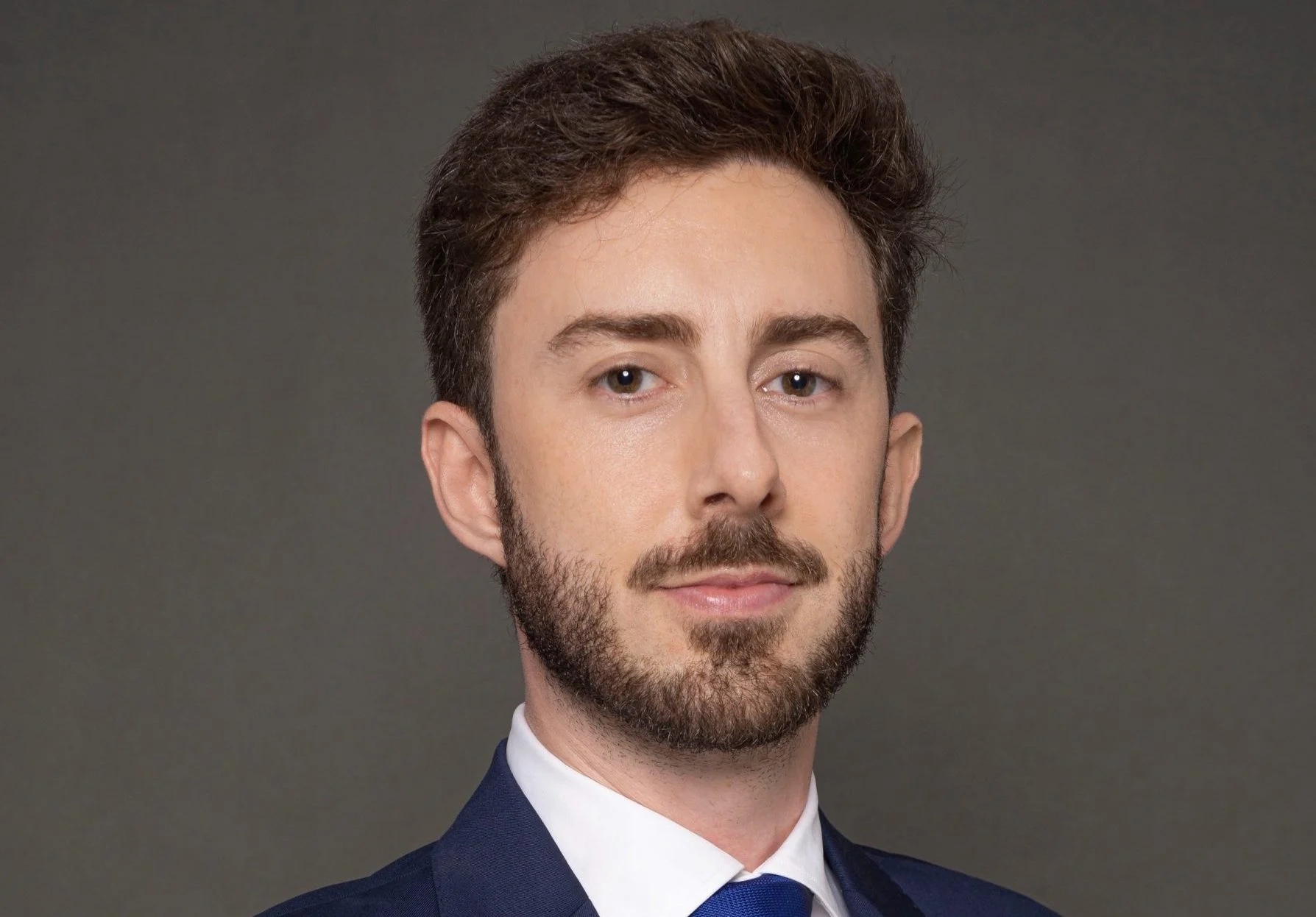
The case is being managed by Bichara e Motta Advogados, a Brazilian law firm. Partner Udo Seckelmann confirmed to iGB that the firm will pursue a challenge against the decision to overturn the injunction. "This is not over," Seckelmann stated. "This is just one setback that happened. We are formulating strategies to overturn this. We are definitely going to challenge this decision. We have two possible strategies and are analyzing which one would be best to file."
While Seckelmann withheld specific details on the grounds for the upcoming challenge, he emphasized the importance of the case for the broader Brazilian betting sector, which is grappling with issues surrounding its legal status. "If we get a positive decision in the next couple of days, maybe other operators will be able to benefit as well. We understand the level of responsibility that we carry for the industry."
Stake's primary arguments against the ban highlight the substantial investments made by operators to comply with Brazil's stringent licensing requirements. This includes a BRL30 million (about $6 million) licensing fee and maintaining a financial reserve of at least BRL5 million, in addition to establishing a Brazilian headquarters.
"The government regulated the market and set all the rules. Based on these rules, we've committed to paying BRL30 million plus BRL5 million for a legal and regulated operation. Now, mere months before we reach the two-year landmark of a five-year license, they declare that activity is prohibited," stated Seckelmann.
The public perception of betting in Brazil has faced challenges since the regulated market launched on January 1, 2025, particularly as media coverage has linked gambling to family debt issues. Seckelmann argues that this often conflates licensed operators with illegal gambling entities. He criticized the government's rationale for the ban, stating that it lacked solid evidence. "The reasoning behind the federal government's provisional measure was not based on relevant studies that linked licensed operators to addiction or debt. On the contrary, the evidence suggests that illegal gambling, not the regulated market, is the issue," he asserted.
The Attorney General's Office (AGU) was responsible for requesting the court to overturn Stake's injunction, claiming the initial ruling granted Stake an unfair advantage over its competitors. Seckelmann believes this move was politically motivated, targeting the TRF-3 president, who aligns more closely with government interests. "The AGU was strategic in appealing to someone more sympathetic to their position, ensuring a favorable outcome for them," Seckelmann explained.
As a result of the ban, a survey by the National Association of Games and Lotteries revealed that over 3,500 workers in Brazil's betting sector have lost their jobs since the provisional measure was issued. Seckelmann stressed the urgency of restoring the licensed market, even partially, as Stake's case unfolds. Additionally, the Supreme Federal Court (STF) is also facing a challenge from major gambling trade associations that filed a motion claiming the ban is unconstitutional. However, resolution of this constitutional challenge is unlikely to occur before the second round of elections on October 25.
In light of the delays in the Supreme Court's decisions, Stake's legal team deemed it necessary to seek a preliminary injunction to protect the company's interests while the STF deliberates. Seckelmann notes, "We waited for the Supreme Court's decision but were met with inaction. Hence, we had to terminate contracts and lay off employees, incurring severe losses. If this situation persists, we will face irreversible damage to our operations. ",

