
Stake's legal team is preparing to take additional actions after a Brazilian court rescinded an injunction that had temporarily allowed the operator to continue its activities, despite a ban on licensed betting issued by President Luiz Inácio Lula da Silva.
Following the president's ban, Stake was granted a temporary reprieve via a preliminary injunction that permitted operations until October 25. However, the next day, Judge Luis Antonio Johonsom di Salvo of the Federal Regional Court of the 3rd Region (TRF-3) suspended this injunction, re-imposing the ban on Stake.
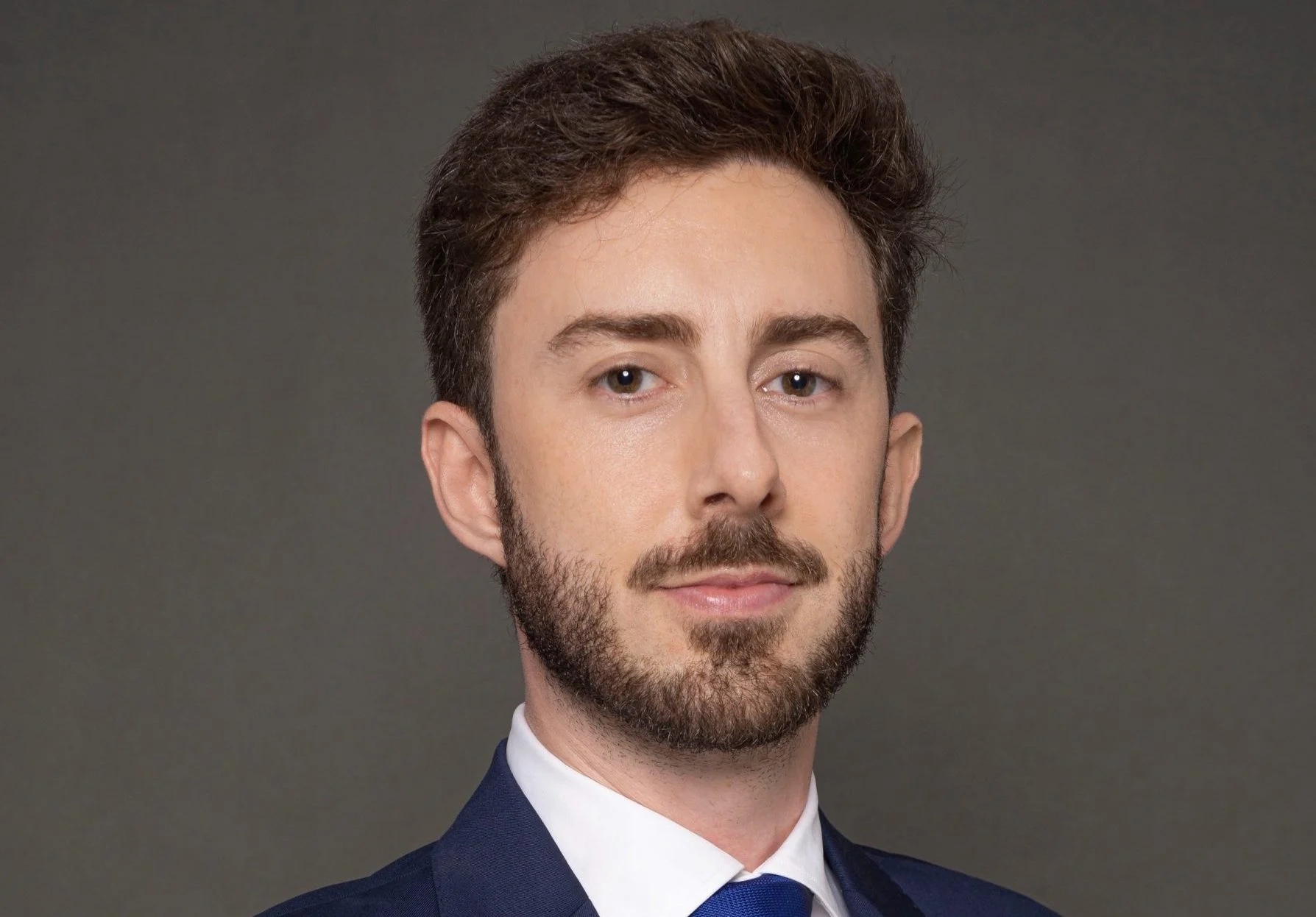
The Brazilian law firm Bichara e Motta Advogados is representing Stake in this matter. Udo Seckelmann, a partner at the firm, confirmed that they will contest the decision that reversed the injunction. "Of course, this is not over," Seckelmann stated, adding that they are devising strategies for their next steps. "We’re going to challenge this decision for sure. We have two possible strategies. We’re analyzing which one would be best to file."
While specifics about the grounds for the challenge remain confidential, Seckelmann emphasized the case's significance for the broader Brazilian betting landscape, which seeks to regain a lawful operational framework. He noted, "If we get a positive decision in the next couple of days, maybe other operators will get that too. So we know the degree of responsibility that we have for the whole industry."
Stake's primary arguments center around the substantial investments made in compliance with Brazilian regulations, which include a BRL30 million ($6 million) licensing fee and a minimum financial reserve of BRL5 million. Seckelmann pointed out that the abrupt reversal undermines the legal assurances operators relied upon when entering the Brazilian market. "[The] government, you regulated the market, you established all the rules, you established that based on these rules we’re going to pay you BRL30 million plus BRL5 million of financial reserve to exploit this activity that is legal and regulated. And from one moment to another, before we reach the two-year landmark of this licence that would be valid for five years, you say now it’s over, that activity is prohibited," he explained.
The public perception of betting in Brazil, since the regulated market's inception on January 1, 2025, has faced challenges, particularly due to media narratives linking gambling with family financial issues. Seckelmann contended that licensed operators are often conflated with illegal entities, clarifying that the ban lacks substantive backing from relevant studies showing licensed operators as the source of addiction or gambling-related debt.
The judge's decision to annul Stake's injunction followed a request from the Attorney General’s Office (AGU), which argued that the initial ruling favored Stake at the expense of other operators. Seckelmann suggested that the AGU might have strategically chosen to appeal to a judge who typically aligns with government interests, making the ruling essentially political in nature.
The impact of the ban has already begun to show, with a partial survey from the National Association of Games and Lotteries revealing that over 3,500 jobs in Brazil’s betting sector have been cut since the provisional measure was enacted. Seckelmann underscored the urgency of reinstating the licensed sector, even partially. He also mentioned the ongoing broader constitutional challenge before the Supreme Federal Court (STF) regarding the legality of the ban, filed by two leading gambling trade associations. This case may not be resolved until after the second round of elections on October 25.
Given the delay in the STF's action, Seckelmann highlighted the necessity of a preliminary injunction for Stake, stating, "We waited for the Supreme Court to make a decision, [but] they were not making any decisions. So we said, ‘Okay, they are not making any decisions. Our operation is frozen. We have to terminate several contracts. We have to fire a lot of people. We’re losing money here.’ So the judge has to understand that if you take a lot of time to decide this, our operation will be over. We have a lot of losses, and this will be irreversible. We’ll not be able to reverse everything that’s happening."

