
Stake's legal team plans to challenge a recent decision by a Brazilian court that has revoked an injunction, previously allowing the online betting operator to continue its operations after a ban was imposed by President Luiz Inácio Lula da Silva. In late September, Lula enacted a ban on licensed betting in Brazil. Stake received temporary protection from this ban through a preliminary injunction, which was set to last until October 25. However, shortly after, Judge Luis Antonio Johonsom di Salvo, the president of the Federal Regional Court of the 3rd Region (TRF-3), suspended this injunction, effectively reinstating the ban on Stake's operations.
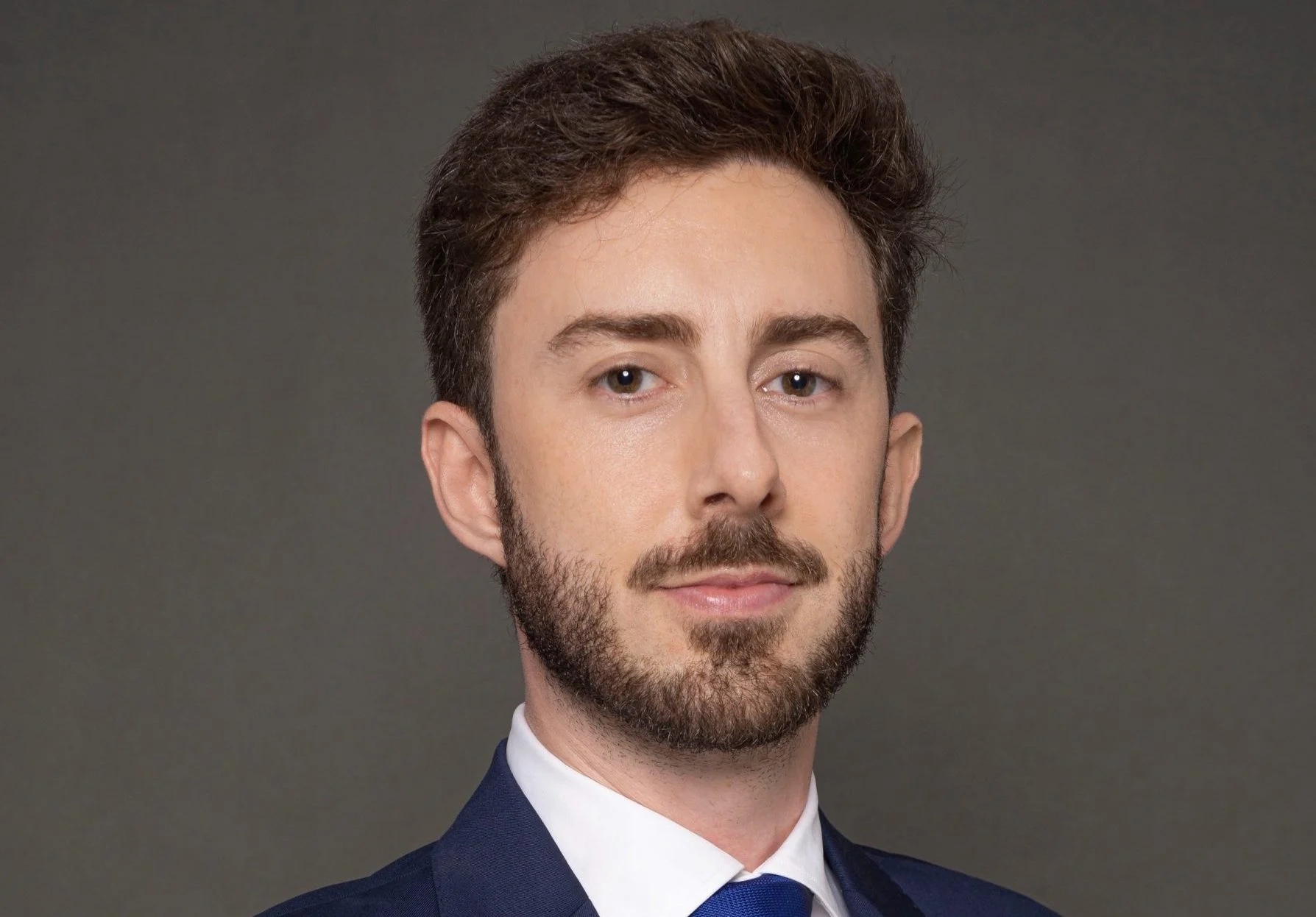
The Brazilian law firm Bichara e Motta Advogados is representing Stake. Udo Seckelmann, a partner at the firm, confirmed that they will contest the ruling that overturned the injunction. "Of course, this is not over. This is just one setback that happened. We are drawing up some strategies to overturn this. We’re going to challenge this decision for sure. We have two possible strategies. We’re analyzing which one would be best to file," Seckelmann said.
While he did not disclose the specific grounds for Stake's challenge, Seckelmann acknowledged the significance of this case for the broader Brazilian betting industry, indicating that a favorable decision could benefit other operators facing similar challenges. "If we get a positive decision in the next couple of days, maybe other operators will get that too. So we know the degree of responsibility that we have for the whole industry," he added.
Stake's main arguments center around the investments made by companies to comply with Brazil's strict regulatory requirements for licensed betting. These requirements included a BRL30 million ($6 million) licensing fee and a minimum financial reserve of BRL5 million, as well as the need for international companies to establish a physical presence in Brazil. This situation underscores the legal uncertainty Stake argues was created by the suspension of the injunction, which threatens the stability that operators relied upon when entering the market.
Seckelmann articulated this point, stating, "[The] government, you regulated the market, you established all the rules, you established that based on these rules we’re going to pay you BRL30 million plus BRL5 million of financial reserve to exploit this activity that is legal and regulated. And from one moment to another, before we reach the two-year landmark of this license that would be valid for five years, you say now it’s over, that activity is prohibited."
Since the regulated market launched on January 1, 2025, the sector has faced public perception challenges, partly due to significant media coverage linking gambling to family indebtedness. Seckelmann pointed out that this frequently leads to a misunderstanding, conflating licensed operators with illegal gambling entities. He maintained that there was no empirical evidence supporting the notion that licensed operators were responsible for Brazil's reported issues with addiction and debt
"The reasoning that was raised by the federal government to issue the provisional measure was not grounded on any relevant studies and statistics that showed that the regulated market in Brazil was causing these problems," Seckelmann stated. "To the contrary, actually. If you analyze what they are saying in terms of addiction, in terms of debt that it was causing the Brazilians and illegal gambling happening, you see that the regulated market was not the villain here. It was actually illegal gambling, which was growing a lot in Brazil."
The overturning of Stake's injunction has raised questions about potential political motivations behind the decision. The Attorney General's Office (AGU) requested the overturn, arguing that the initial ruling afforded Stake an unfair competitive advantage over other operators. However, Seckelmann speculated that the AGU strategically targeted the president of the TRF-3, who he suggested has a more favorable stance toward the government.
"The AGU, they appealed this decision to the president of the federal tribunal, who is a guy that is pro-state, pro-federal government in his politics, in his decisions," Seckelmann explained, suggesting that the prosecutors anticipated a favorable verdict if they presented the appeal to this judge. He observed that the judge’s ruling lacked substantive argumentation, reducing it to general principles.
The impact of the betting ban is already evident; a survey by the National Association of Games and Lotteries indicated that over 3,500 jobs have been lost in the betting sector since the provisional measure was enacted. As the situation unfolds, the return of the licensed sector, even in a limited capacity, is deemed crucial by Seckelmann.
While Stake proceeds with its challenge, two major gambling trade organizations are also pursuing a constitutional appeal with the Supreme Federal Court (STF), aiming to have the ban deemed unconstitutional. Seckelmann noted that it could be weeks before a resolution is reached on that front, likely after the second round of Brazil’s elections, set for October 25.
Stake's legal argument for the necessity of a preliminary injunction hinged on preventing significant operational harm while waiting for the STF's decision. Seckelmann highlighted the urgency of the situation, stressing that delays could lead to irreversible damages to the company's operations and workforce. "We waited for the Supreme Court to make a decision, but they were not making any decisions. So we [Stake] said, 'Okay, they are not making any decisions. Our operation is frozen. We have to terminate several contracts. We have to fire a lot of people. We’re losing money here.' So the judge has to understand that if you take a lot of time to decide this, our operation will be over. We have a lot of losses, and this will be irreversible. We’ll not be able to reverse everything that’s happening."

