
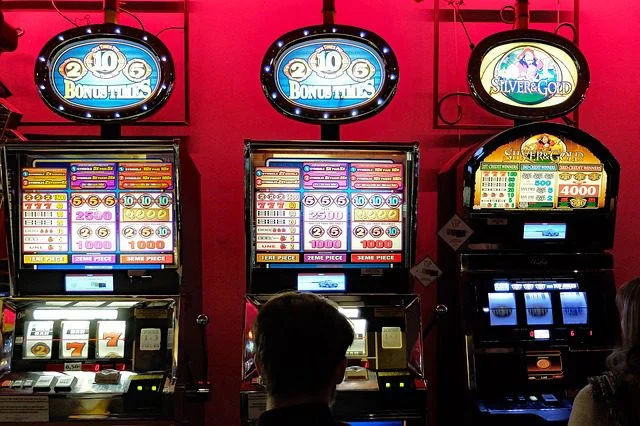
UK high-street gambling businesses find themselves grappling with more than just the question of how to manage additional taxes; they are under pressure to defend their existence without resorting to the argument that other gaming venues should bear the weight of these changes. With a potential doubling of machine games duty (MGD) to 40% looming, the temptation is strong to draw lines between what some see as worthy bookmakers and less deserving adult gaming centres (AGCs).
However, Nick Rust, former chief executive of the British Horseracing Authority, warns that this kind of division might not be helpful for anyone involved. "I don’t think the public really differentiates between locations on the high street where you can play machines," he noted. Rust cautioned against the pitfalls of attacking fellow industry sectors, asserting, "Whataboutery isn’t going to help anyone."
Warnings regarding the potential doubling of MGD are echoing through the sector. Regulus Partners has estimated that should the MGD increase from 20% to 40%, approximately 1,500 betting shops could close, resulting in the loss of around 28,000 jobs and stripping racing of £92 million. Their analysis suggests that an average betting shop contributes approximately £440,000 annually, primarily from both betting and gaming machines, with a net cash contribution of roughly £44,000 after accounting for costs. The proposed tax rise could add about £45,000 to the average shop's expenses, wiping out their contribution entirely.
Rust considers this threat to be very real, stating, "The 1,500 number rings true to me. This isn’t crying wolf now." While he acknowledges that past warnings from the industry may have been overstated, he emphasizes the cumulative pressures from rising costs, media rights, and National Insurance contributions as significant factors in the current debate.
It's not only bookmakers voicing concerns. The Bingo Association's CEO, Nicole Barrett, recently appeared on BBC's Breakfast News, highlighting that thousands of jobs in the bingo sector are at risk. "Machines are an important secondary income for bingo clubs," she stated, pointing out that the MGD hike represents yet another potentially harmful tax increase. Dominic Mansour, CEO of Buzz Bingo, echoed these concerns on BBC Five Live, asserting that even a modest 5% MGD increase could make a third of his business's clubs unviable.
Consultant Vaughan Lewis, writing for The Racing Post, framed the tax debate in light of the racing industry's reliance on bookmakers. He argues that machine income is crucial for shops that contribute to racing's levy and media rights fees, a contribution not matched by AGCs. His column warns that a significant duty increase could inadvertently strengthen arcades while diluting the retail distribution critical to racing.
However, an unnamed industry consultant critiques the differentiation between establishments offering identical machines, arguing that categorizing AGCs and betting shops is irrelevant when it comes to player safety. This advisor believes that the challenges confronting AGCs amid a possible tax hike are considerable and that assumptions about their resilience are misguided.
The Regulus model does not provide specific forecasts for AGCs, but the notion that they could simply absorb an influx of customers from closed betting shops is questioned. The consultant suggests that by asserting AGCs can endure MGD hikes, bookmakers risk undermining their argument against the tax increase itself. "If a tax rise isn’t a problem for AGCs, then your argument has been lost," they stated, highlighting a possible misstep in the strategy being employed.
Rust advocates for unity among the sectors, recalling past conflicts during the FOBT discussions, wherein amusement industry group BACTA criticized bookmakers, leading to negative fallout. He argues that turning on another sector won’t resonate positively with the public.
Beyond the financial implications for racing, Rust is concerned about the potential loss of social spaces. He reflects on the decline of betting shops in his town, envisioning a future with none left, which may further exacerbate societal isolation. "Where are these people going to meet, and what are they going to do?" he asked, raising concerns about illegal gambling activities that could arise if access to licensed gaming venues diminishes.
This oversight is a sensitive topic for the anti-gambling lobby, which tends to avoid acknowledging the issue of demand remaining, regardless of regulated spaces. However, Rust challenges the racing community, suggesting it heavily relies on betting revenues without fostering alternative demand sources.
Evaluating the implications of a higher MGD raises questions about its efficacy, the businesses it might endanger, and the subsequent behavior of customers. While bookmakers and AGCs might have distinct interests, urging the government to impose a tax while simultaneously arguing that AGCs could manage it risks undermining the case against the tax hike itself. Fighting over survival might leave the whole gambling high street with a diminished defense against these fiscal challenges.

