
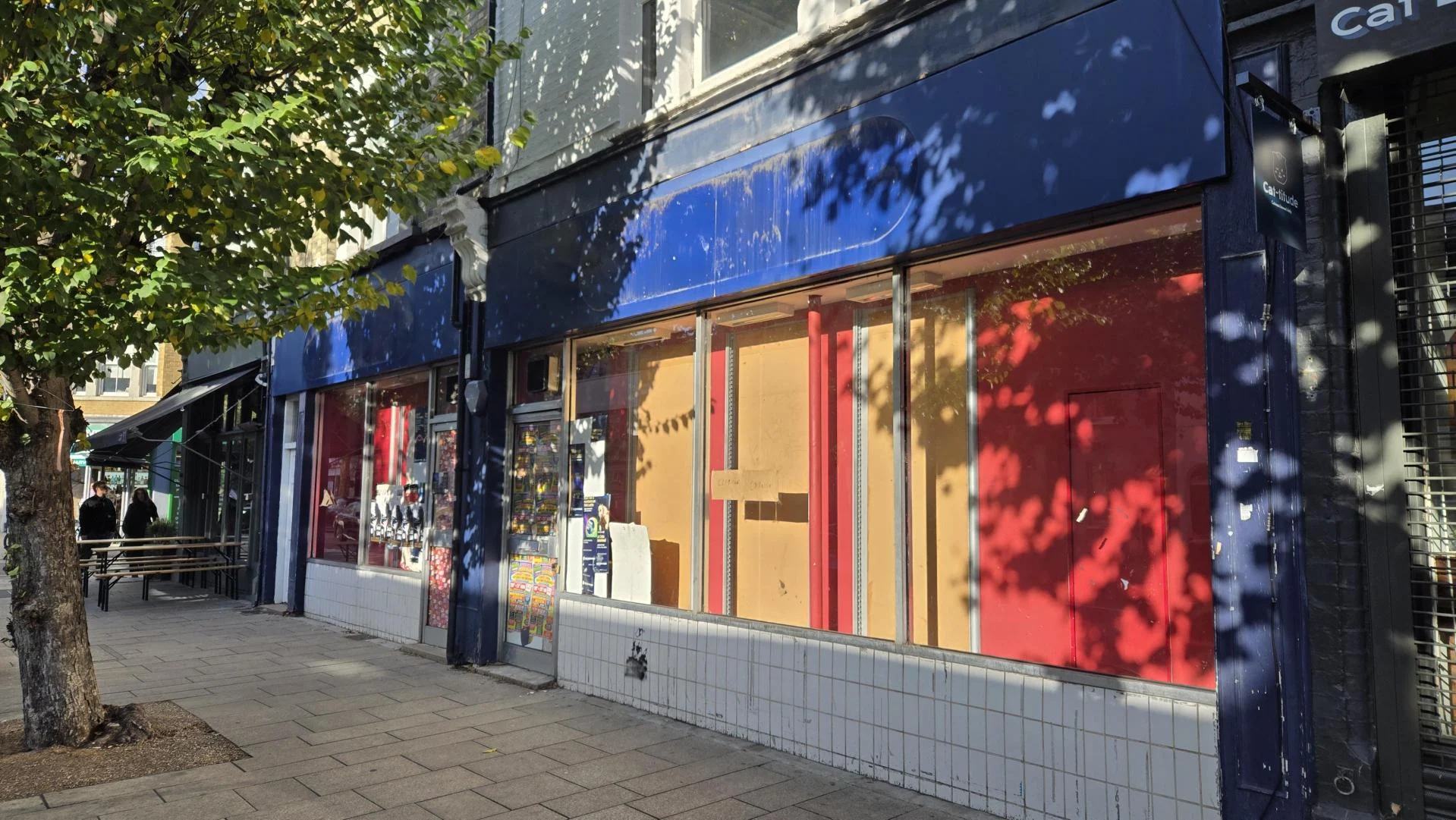
Prime Minister Andy Burnham’s government has taken notice of the perceived decline of high streets in the UK, a pressing issue for many citizens. Recognizing the political weight of this concern, the administration has rolled out a series of rhetorical and policy initiatives aimed at revitalizing these essential local hubs.
High streets, often overlooked in previous administrations, have faced significant challenges due to rising costs, the impact of the COVID-19 pandemic, and the surge of online shopping. The condition of these areas resonates with residents, touching on employment and local commerce, making support for them a unifying political strategy.
However, not all high street businesses face the same scrutiny. In this narrative, gambling establishments have been painted in a negative light. In August, Burnham came under fire from the gambling industry for categorizing betting shops alongside disreputable vape shops as "dodgy businesses" while announcing that councils would gain additional authority to refuse new gambling licenses.
This stance is not unprecedented. Last year, as the previous Chancellor Rachel Reeves nearly doubled the remote gaming tax, she justified the increase by citing harm associated with gambling. Critics from within the industry stressed that if the focus was genuinely on reducing harm, some of those revenues should be directed towards harm mitigation efforts, which was not the case.
In the latest budget revealed on October 28, the government opted to lower business rates for high street establishments, offsetting the cost with a tax increase on gambling machines. Chancellor John Healey announced that the threshold for business rates would be adjusted to exempt more high street businesses, while others would benefit from a freeze in their rates. "To pay for this support for our high streets, I am raising taxes on gambling," he stated, clarifying that Adult Gaming Centres, along with vape shops, would not qualify for the business rate relief. He reiterated that these tax hikes aimed to promote positive growth in local economies.
This decision spurred celebrations among gambling reform advocates. MP Alex Ballinger expressed on X that supporting local high streets should prioritize businesses that contribute positively to communities, rather than catering to the gambling sector.
Dawn Butler, who had previously campaigned against gambling, also lauded the decision to finance business rate reductions through gambling taxes, framing it as "taxing harm to help good business."
In stark contrast, Healey highlighted the banking industry's contributions during his announcement of a temporary three-percentage-point levy hike aimed at supporting energy bills. He praised banks for their role in the economy, asking them to help provide financial relief for ordinary citizens.
Gambling, however, was met without such a courteous acknowledgment. This disparity illuminates a troubling aspect of the government's second tax hike on the industry within a year: its dismissive outlook. The government appears to regard the gambling sector as a mere financial resource, one that can be readily exploited.
While it's understandable that funding to rejuvenate high streets must come from somewhere and the concentration of gambling venues in economically deprived areas raises public concern, the decision sits uncomfortably. Critics argue that while there could be merit in requiring operators to contribute back to the community, this approach neglects to recognize the positive impact some gambling businesses have on local revenues and broader economic activity.
The belief that imposing higher taxes on gambling might deter the sector from making necessary improvements to their establishments risks creating a self-defeating cycle. Indeed, while rundown storefronts contribute to the uninspiring environment of many high streets, increasing taxes without incentives to upgrade facilities could undermine progress.
Though some might downplay the importance of how taxes are framed in public discourse, terminology does matter. Characterizing the gambling industry as merely a deep-pocketed vice sets a precedent for future tax hikes, potentially leading to more closures and job losses in high streets.
This perspective of the government represents more than just a fiscal decision; it depicts a broader attitude that impacts the gambling sector's future. Although the industry anticipated a new MGD hike, analysts believe the adjustment may be manageable. Yet, operators remain apprehensive about the potential for future tax increases as Labour MPs, including Butler, advocate for a tax rate as high as 40%.
Ambiguity regarding the long-term regulations and fiscal landscape complicates matters for operators attempting to plan future investments. The outlook generated by Burnham and Healey's administration could ultimately damage the high streets they aim to revitalize, by failing to acknowledge the positive role gambling establishments can play in those communities.

