
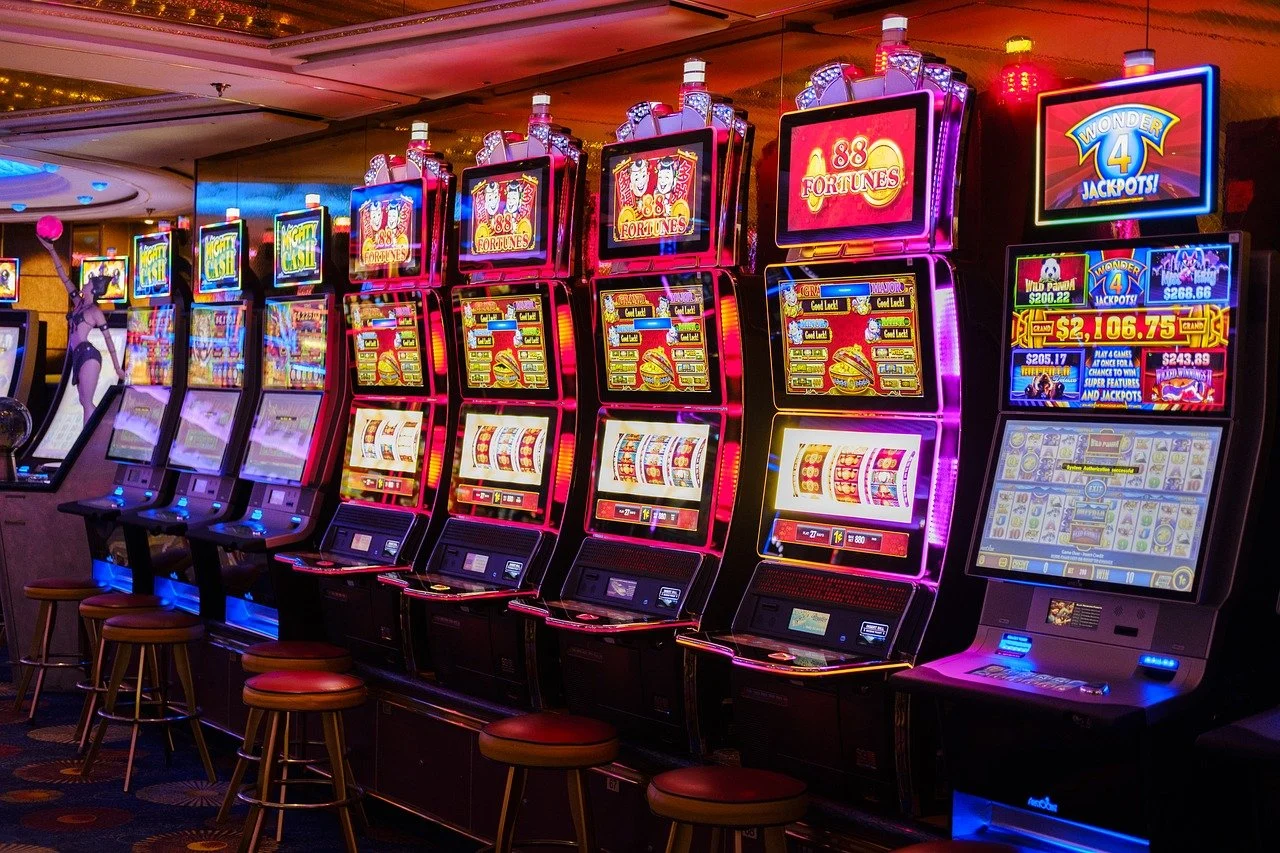
Adult gaming centres (AGCs) primarily provide access to gaming machines and do not engage in sports betting. Many of these venues operate 24/7, with reports indicating that hundreds remain open around the clock. In recent years, as betting shops have shuttered, AGCs have increasingly occupied similar locations, prompting politicians to view them as emblematic of declining high streets.
British Prime Minister Andy Burnham has expressed particular disdain for adult gaming centres, labeling betting shops as markers of urban decay. A Labour source informed The Times that Burnham holds even less regard for AGCs, leading some to speculate that the Treasury may consider implementing stricter regulations.
Officials are currently evaluating an increase in the machine games duty (MGD), which taxes revenue from gaming machines, in anticipation of the budget announcement on October 28. According to the Financial Times, Chancellor John Healey is contemplating a tax hike specifically targeting betting shops and AGCs. For establishments reliant on machine gaming for income, the potential increase poses a significant threat.
In terms of market dynamics, Dan Waugh, a partner at Regulus Partners, highlights that arcades represent about 4% of total gambling spending in the licensed sector, but in machine revenue, they account for approximately 25%, while betting shops command nearly half in 2024/25.
The balance of this revenue has shifted since 2019, when the government imposed a £2 maximum stake on fixed-odds betting terminals. Waugh views this change as a pivotal moment that redirected spending from bookmakers toward casinos, AGCs, and bingo halls, especially as betting shops have diminished in number.
From the viewpoint of operators, the financial advantage of AGCs over bookmakers is clear: AGCs are less costly to operate. They are categorized as hospitality venues for business rates, while betting shops incur higher fees associated with financial services. Additionally, AGCs contribute less towards the statutory levy and do not pay media-rights fees related to race screenings.
Operating hours further benefit AGCs. While bookmakers typically close by 10 PM, AGCs cater to the late-night crowd, often serving patrons after local pubs have closed. Bookmakers are limited to just four high-stake Category B machines compared to AGCs, which can offer a wider range of lower-stake machines, allowing them to provide a more extensive gaming experience.
Socially, Waugh observes that many people’s opposition to AGCs appears rooted in classist attitudes. Analysis from the Social Market Foundation reveals that areas with higher levels of deprivation host significantly more AGCs than affluent neighborhoods. Furthermore, commission data shows that problem gambling rates are lower among arcade players compared to those who use machines in pubs.
Control over regulations remains divided. While operators must hold licences from the Gambling Commission, local authorities grant premises licences. The Gambling Act 2005 obliges councils to approve applications that meet legal criteria, limiting their ability to refuse the establishment of AGCs.
Calls for regulatory reform are gaining traction. Burnham's government aims to empower local authorities through Gambling Impact Assessments and plans to revise the "aim to permit" mandate. Lord Foster of Bath, chair of Peers for Gambling Reform, asserts that existing regulations need significant changes, particularly regarding high-stakes Category B machines. He advocates for community input in decisions about new AGCs and points to existing breaches of gambling regulations as a need for increased enforcement resources for councils.
The potential increase in MGD raises further concerns. Currently set between 20% and 25%, MGD contributes approximately £600 million annually. The SMF suggests a rise to 40% for all venues that offer machine gaming, which could yield up to £458 million. These proposals affect both AGCs and bookmakers alike, but details on whether such an increase will materialize remain unclear.
Previously, Rachel Reeves, Healey's predecessor, contemplated an increase but backed off in response to industry pushback, instead raising remote gaming duty. With financial pressures mounting following recent market fluctuations, Healey may consider bold actions that could alter the landscape dramatically. Expected exemptions for bingo halls and pubs could also play a role.
Industry leaders have voiced strong objections. Stella David, CEO of Entain, which operates Ladbrokes and Coral, warned in a September 11 letter that a rise in the duty could add around £100 million in costs annually, predicting up to 1,470 shop closures and a significant reduction in jobs.
During an earnings call, she noted the troubling trend, reporting over 630 betting shop closures in just the past year without any tax hike. David cautioned that increasing the duty would damage an already struggling high street and diminish Treasury revenue.
In contrast, Bacta, the trade association representing arcades, argued against penalizing lawful industries simply due to personal biases.
With AGCs presenting a financially advantageous model, some might speculate about existing bookmakers transitioning to AGCs. Reports suggested Betfred could consider converting some of its shops into AGCs, but a spokesperson clarified they have no intention of such changes. A significant increase in MGD would likely erase the financial benefits of conversion.
Experts suggest that only operators with robust financials are likely to withstand a duty increase, while the illicit gambling market could thrive in the absence of effective regulation. As estimated by Frontier Economics, £1.6 billion is already wagered through illegal channels annually. The moves to regulate AGCs could clear legal venues, leaving the market susceptible to underground operators.
Waugh warns that increasing the duty would ultimately have dire consequences for the legitimate gaming industry while only benefiting criminals and those advocating for prohibition.

