
As World Cup enthusiasts close their bets after the final whistle, the excitement they brought to sportsbooks this summer leaves operators pondering their next move. For many bettors, especially first-timers, the tournament served as a catalyst. They engaged with the group stages, followed the tournament's progression, and enjoyed the experience. Now, with the tournament concluded, those same bettors face a betting landscape devoid of the game they loved—other sports in mid-season, unfamiliar competitions, and formats they may have to learn fresh.
This transition poses a critical question for sportsbooks, as each World Cup attracted a wave of new customers resulting in total wagers predicted to exceed $50 billion, a significant rise from $35 billion in Qatar 2022. This influx of bettors comes with an associated acquisition cost—bonuses, promotional odds, media campaigns, and affiliate expenses. Retaining these customers is vital, as profitability hinges on their continued activity.
Recent data from the UK Gambling Commission examines what happens to World Cup bettors after the culmination of the event. A study followed the behaviors of nearly 100 individuals who had not bet on football in the year prior to the tournament, revealing that 70% were still wagering three months post-finals. Yet, fewer than half continued betting on sports, with many shifting to other forms of gambling.
The study's broader pool of established bettors displayed a similar behavior. Although spending on football decreased significantly after the final, overall betting participation remained steady or showed slight growth. Since the 2022 final occurred mid-season with ongoing league football available, bettors largely sought experiences beyond traditional matches.
These findings offer sportsbooks a clear insight into customer behavior, revealing that the insatiable appetite for betting often surpasses the tournament itself, searching for a fit that may be found within or outside their current platform. Retaining customers who surpass the break-even point translates to significant profit margins.
Operators must prioritize content that resonates with football fans who prefer quick betting experiences without needing extensive knowledge of the sport's statistics and forms. The challenge lies in providing familiar, readily available betting options.
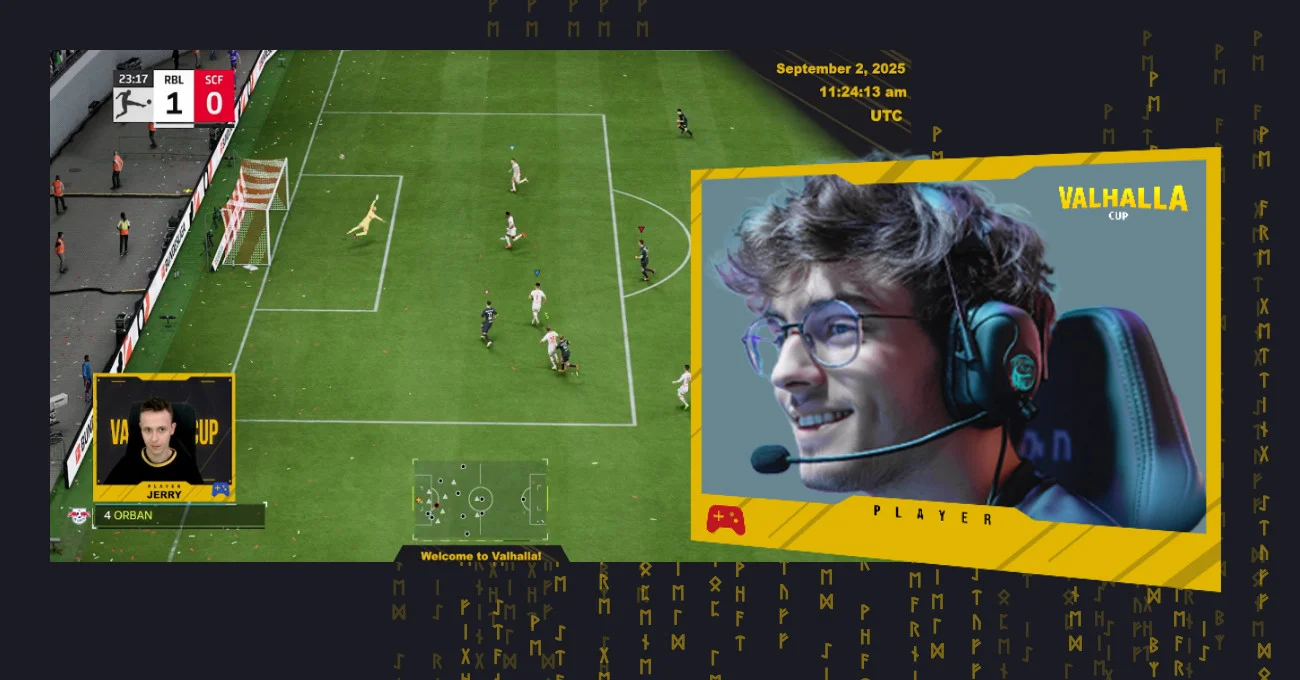
For instance, Oddin.gg's Penalty Arena presents continuous betting on penalty kicks, resulting in rapid outcomes, thereby keeping engagement high. Similarly, Oddin.gg offers eFootball, featuring fast-paced, digitally simulated matches that start every few minutes—ensuring football fans are entertained even outside the traditional season.
Additionally, the growing esports sector provides operators with vibrant markets unaffected by seasonal dips in traditional sports betting. Esports features a variety of tournaments running continuously, with multiple titles offering live events. The esports audience, which includes a younger demographic of Millennials and Gen Z, enhances revenue streams while ensuring engagement remains steady regardless of other sports' schedules.
The upcoming quarter following the tournament is critical as sportsbooks must capitalize on this wave of new bettors. By offering content that mirrors the familiarity and excitement that drew customers in, operators can successfully transform an initial surge into lasting revenue. Oddin.gg provides the tools to maintain engagement with rapid, year-round betting formats, paving the way for sustained interest in their platforms.

