
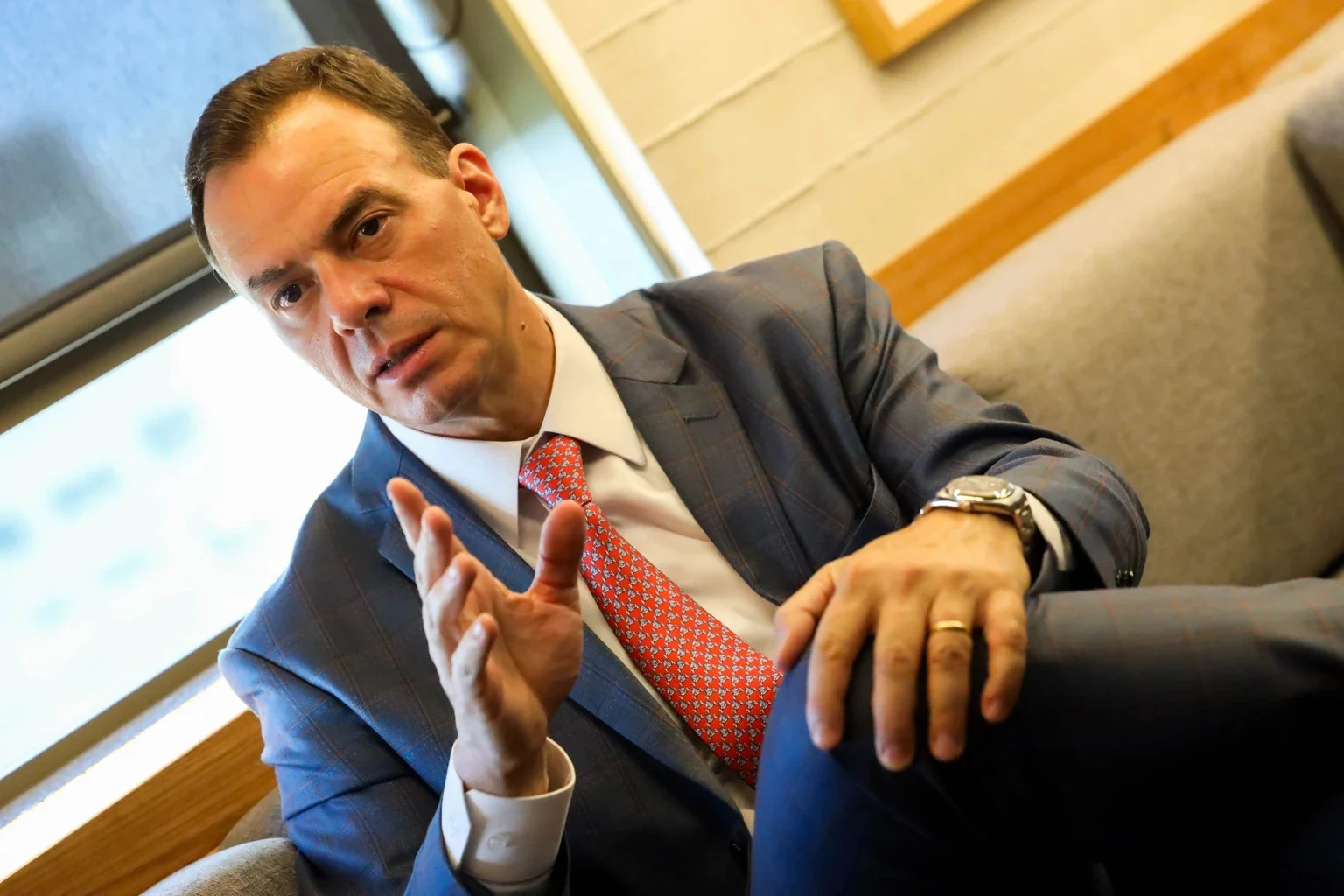
ANJL President Plínio Lemos Jorge emphasized the rapid growth of Brazil's betting industry, noting considerable revenue gains in the first five months of the year.
"We went from BRL3.1 billion ($620 million) from January to May 2025 to BRL5.89 billion this year," he stated, underscoring the economic and social significance of the legal betting market. He sees this surge as a reflection of progress within the regulated sector, which ultimately benefits society through increased tax contributions.
Lemos Jorge speculated that the upcoming World Cup will likely push June's earnings higher, although those numbers are yet to be officially released. "This was the first World Cup with the Brazilian market already regulated. Football brought consumers closer to responsible entertainment platforms," he remarked.
He praised how authorized operators followed strict regulations during the tournament, saying, "The SPA reinforced requirements regarding integrity, advertising, and communication ahead of the competition." For him, ensuring these standards is vital for the sector's long-term sustainability.
The ANJL president pointed out in-person engagements at bars and restaurants, along with fan-focused initiatives, which he believes enhanced the digital experience. "These initiatives helped digital brands create experiences beyond the screen," he noted.
Regarding new federal advertising regulations, Lemos Jorge sees them as protective measures for both bettors and operators. He supports clearer and more responsible advertising standards, asserting, "We are at a pivotal moment for the betting sector."
Despite his support for federal measures, he expressed concern about municipal advertising bans. Lemos Jorge argued that the Constitution gives the federal government authority over commercial advertising, warning that local laws could lead to confusion and legal uncertainty for operators. "Divergent local rules could create legislative confusion and legal uncertainty for operators," he said.
As the industry heads into the second half of 2026, Lemos Jorge anticipates increased political scrutiny due to upcoming elections. "The industry must remain resilient and committed to responsible gaming. Once this turbulent period passes, we believe the market will likely face less criticism," he predicted.
The challenge posed by illegal betting sites remains significant, with Lemos Jorge stressing that their presence could grow if regulations make the formal market less viable. "We cannot let our guard down," he warned. "What encourages us is that the government, as a whole, has recognised the need to combat this issue."
In an interview about the results of the sports betting sector, he confirmed that the Federal Revenue Service has not yet released comprehensive figures for the first half of 2026 but noted the substantial increase in tax revenue as a sign of the growing regulated sector's impact on Brazilian society.
Regarding the World Cup's influence, he stated that although June's official figures are pending, the event would undoubtedly boost revenues for fixed-odds betting operators. "Substantial revenue is the result of work that is well-executed, well-targeted, and conducted responsibly for the public," he said.
Lemos Jorge confirmed that all licensed operators abide by stringent regulations. The Ministry of Finance and SPA have established rules aimed at ensuring integrity in advertising and communication. "The SPA issued specific rules regarding communication, advertising, and marketing for betting operators before the tournament," he said, reaffirming the authority's oversight.
He also highlighted successful marketing strategies during the World Cup, such as partnerships and fan engagement initiatives, while calling for transparency and balance in the sector's actions to promote consumer protection.
Criticism regarding advertising practices during the World Cup was raised, but Lemos Jorge felt that this scrutiny often stems from sectors that view betting companies as competitors. He indicated that any alleged non-compliance would be addressed through established regulatory frameworks.
The recent tightening of advertising regulations has been met with optimism by ANJL, with Lemos Jorge asserting it provides an additional layer of protection for consumers.
On municipal advertising bans in cities like Rio de Janeiro and João Pessoa, he called these measures legal misconceptions, emphasizing that commercial advertising laws should fall under federal jurisdiction.
Regarding self-regulation in advertising, Lemos Jorge mentioned the industry's established framework for responsible communication, arguing that such measures should lead to improved understanding among the public.
Looking ahead, Lemos Jorge expressed concern about the perception of betting companies as scapegoats in the political arena as elections approach. "The industry will have to remain resilient and reinforce its commitment to responsible and ethical gaming," he said, optimistic that the market would integrate smoothly into Brazilian society afterward.
When asked about illegal betting websites, he confirmed that they still constitute a substantial share of the market and could potentially expand if regulations undermine the formal sector. However, he noted a recent decrease in illegal sites and stressed the importance of ongoing efforts to combat them, highlighting the government's recognition of this challenge.

