
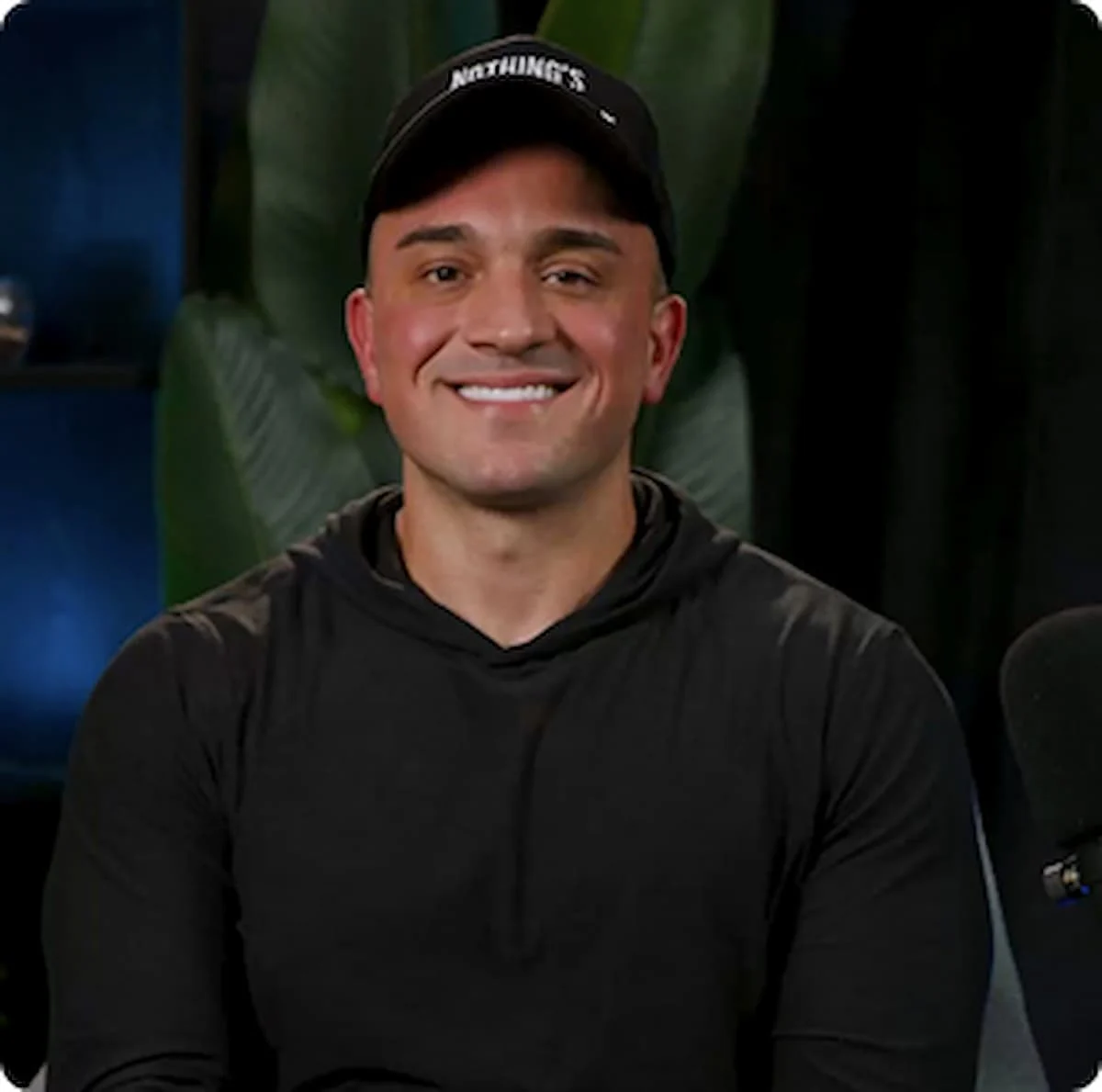
The National Council on Problem Gambling (NCPG) is currently hosting its annual conference in Nashville, Tennessee, which is raising eyebrows among some attendees, including former compulsive gambler Louis Ruggiero Jr. Ruggiero, who struggled with gambling addiction for 12 years and claims to have lost over $10 million, reached a crisis point in December 2024, where he felt suicidal, despite having a young child and a supportive fiancée. "I had gotten that good at hiding it," he said, emphasizing the destructive nature of addiction that can be invisible to loved ones.
Ruggiero attributes his recovery to Gamblers Anonymous, stating, "Walking into that room and telling the truth for the first time… the lying, the ego, the stuff I was running from before I ever placed a bet" were integral parts of his healing. He has since established The Gambling Truth Project, an independent organization aimed at countering misleading narratives from the gambling industry and raising awareness about the realities of modern betting.
Ruggiero criticizes the NCPG for its sponsorship arrangements, pointing out that major gambling companies like Bally's and FanDuel support the conference. He believes that this undermines the NCPG's ability to hold the industry accountable: "You can’t hold the industry accountable when the industry is paying for the room. It’s that simple… The people causing the problem are writing the checks and getting their logos on the banners."
Other notable sponsors include DraftKings, Caesars, MGM, PENN, Aristocrat, and Four Winds Casinos. Ruggiero argues that this creates an environment where accountability is diluted: "Nobody bites the hand that feeds them. So the criticism gets softer."
FanDuel maintains that its sponsorship indicates a commitment to responsible gambling, with their platform stating: "We’ve teamed up with a roster of amazing partners…to promote positive play and raise awareness of problem gambling." Ruggiero, however, is skeptical. He asserts, "A sponsorship isn’t a commitment. It’s a receipt. If they were committed to responsible gambling, their business model wouldn’t depend on the people who can’t stop."
This week, FanDuel also filed a motion to dismiss a lawsuit from two gamblers claiming to have lost millions on its platform, arguing that it does not owe a duty of care to compulsive gamblers.
Meanwhile, the NCPG has accepted Kalshi as a member, alongside a $2 million donation, despite the company facing legal challenges regarding its claims of not being a gambling platform. Ruggiero views the NCPG's acceptance of Kalshi as a sign of compromise: "Instead of drawing a line, the NCPG found a way to make room for them as a member." Michigan's affiliate opted to leave the NCPG in protest of this decision, which Ruggiero sees as indicative of the organization's direction.
The NCPG insists it remains neutral on the legality of specific gambling products. Kalshi's CEO, Tarek Mansour, stated the company is "deeply committed to setting a new standard for responsible trading."
Ruggiero asserts that industry sponsorship blurs the lines of accountability: "There’s a difference between paying and belonging. The industry should pay. It should never belong." He advocates for funding to come from mandated taxes instead of voluntary industry donations, proposing a statutory levy on operators to eliminate any strings attached to financial contributions.
He emphasizes that gambling companies should be accountable for the harm they cause, but contends that reliance on sponsorships complicates the industry's responsibility: "The moment that happens, you’re compromised, whether you admit it or not."
The Gambling Truth Project aims to educate the public regarding the gambling industry's operations while pressing for equal recognition of gambling addiction treatment through insurance. Ruggiero clarifies that he does not support a ban on gambling: "We’re against the lying. We believe in the facts, lived experience, and real guardrails."
He critiques the notion of "responsible gambling" as an unfair burden placed on players, arguing that it falsely suggests that the product is acceptable and shifts the problem onto the individual. Recent lawsuits have emerged, alleging that gambling products are designed to be addictive. Ruggiero believes that platforms intentionally target compulsive gamblers and that claims of supporting responsible gambling are often insincere.
To combat problem gambling effectively, Ruggiero calls for significant changes, including real deposit limits by default, universal self-exclusion processes, restrictions on advertising, affordability checks to prevent financial loss, and increased funding for treatment and peer support services. He observes that the UK gambling industry has pushed back against proposed financial risk assessments, emphasizing the industry's reliance on high-spending customers.
Reflecting on his own journey, Ruggiero shared, "I wasn’t a customer; I was a VIP… I had bonuses and people ensuring I kept betting." Now, he leads Gamblers Anonymous meetings and offers insights through his podcast, "Nothing’s Off The Table."
In closing, he underscores the importance of helping those still struggling with addiction, stating, "The thing that keeps me recovered is being useful to the next compulsive gambler. I'm proof that there is a way out."

