
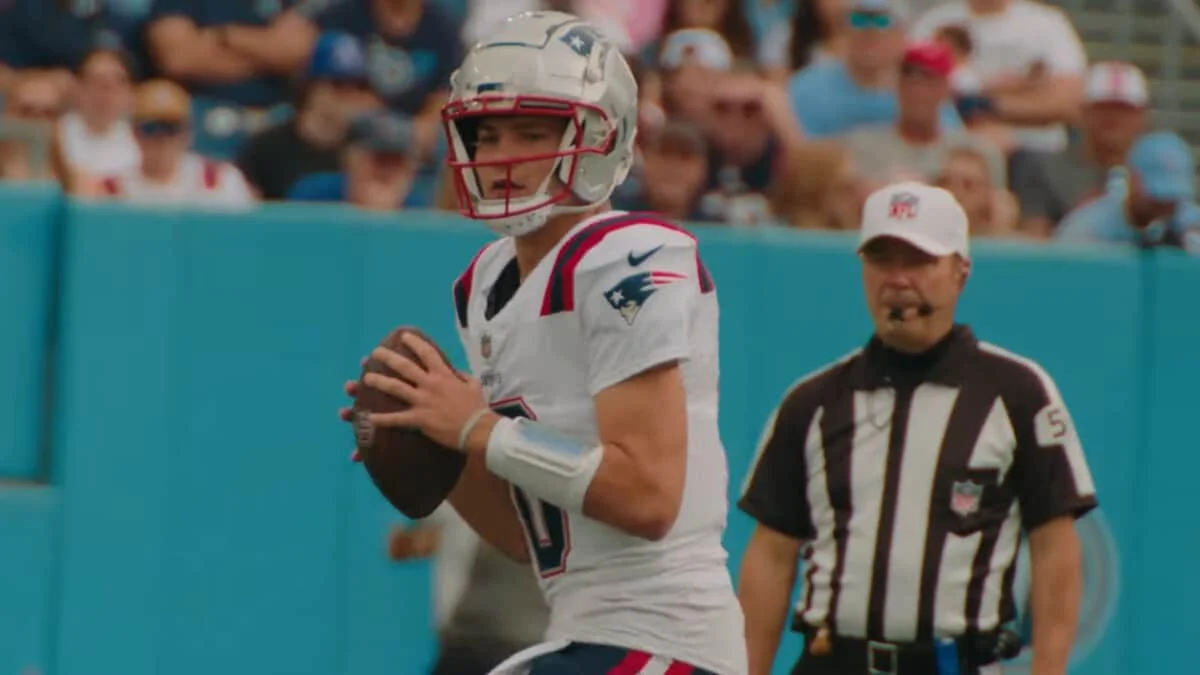
Polymarket has launched self-certified markets focused on the participation of NFL players in events ahead of the upcoming football season. While the CFTC has prohibited markets directly related to player injuries, they have not taken action against the self-certification process.
The markets are framed around whether a specific player will participate in an event rather than the duration of their injuries. For instance, one market poses the question, "Will Patrick Mahomes participate in the Kansas City Chiefs' Week 1 regular-season game?" Mahomes is currently rehabilitating from an ACL injury, potentially blurring the lines regarding whether these markets are indirectly related to injury status.
Additionally, Polymarket indicated plans to establish markets determining if a player will start in a specific position, such as, "Will Josh Allen be the starting quarterback for the Buffalo Bills in Week 1 of the 2026 NFL regular season?"
Concurrently, the CFTC proposed regulations that explicitly ban markets linked to player injuries, citing concerns for the public interest. The commission's draft rules express unease regarding event contracts that settle based on the duration or severity of an injury to a player. The CFTC warns that such markets could encourage harmful incentives that might lead to physical harm.
While Polymarket’s newly proposed markets do not overtly reference injuries, any harm to players like Allen or Mahomes could still influence the market outcomes, raising similar ethical concerns about financial incentives.
Bettors actively seek insider information regarding player participation, contributing to numerous betting scandals. For example, Damon Jones, a former Lakers coach, confessed to sharing insider injury details ahead of public releases, part of a larger betting and rigged poker saga in the NBA.
Doctors and medical professionals, such as Dr. Timothy Kremchek from the Cincinnati Reds, highlight that they regularly receive inquiries from bettors wanting insights on players’ injuries. "People want an inside track. They’ll do anything to get to whoever they can to find out this information. If you knew a star player was going to be out, it gives you a tremendous advantage,” Kremchek noted.
In the Jones case, insider information led to bettors wagering against the Lakers when they discovered that stars like LeBron James would be absent. Other incidents have confirmed that similar betting practices occur when players are expected to exit games early.
These participation markets could propel gamblers to seek dubious inside information more aggressively, creating a profit incentive for players or knowledgeable insiders. Distinct from point shaving, players betting on their own participation poses less direct harm to their teams.
Kalshi, a similar platform, already lists various markets concerning the playing status of injured athletes. For instance, users on Kalshi could bet on Mahomes’ participation in the Chiefs' first preseason game on August 15, where around $30,000 was traded, with odds peaking at 16% before settling at no.
Kalshi also facilitates markets regarding when injured players, like Malik Nabers of the New York Giants, will return to play. The trading volume on this market, however, remains modest at just over $3,500. Similar bets exist in other sports, such as tennis, where wagers can be placed on the return of injured players like Carlos Alcaraz.
Legal experts argue that participation markets offer valuable hedging opportunities for businesses financially impacted by star athletes’ absences. Gaming attorney Peter Hammon stated that such markets could offset risks for ticket resellers and corporate sponsors when key players cannot compete. He emphasized that sportsbooks lack practical methods to manage these types of hedges under current regulations.
Charles Farrell of Dentons acknowledged the CFTC's injury rules, which may impede the establishment of these markets. "I think how the contract is framed matters; ultimately, the CFTC would likely weigh the utility of the use case and the specific terms of the contract in determining whether it is contrary to the public interest," he said.
Despite potential regulatory challenges, the CFTC has shown a hesitance to restrict markets on licensed platforms. Chief Executive Terry Duffy criticized the agency's inaction regarding self-certifications made this year. CFTC Chair Michael Selig has disputed claims that U.S. platforms have hosted troubling markets leading to insider trading scandals, defending the agency's stance against allegations of controversial offerings.
As Polymarket moves forward with its plans to offer markets on NFL player participation, the company has also submitted filings to introduce similar wagering on when political figures may vacate their positions. Notably, a U.S. soldier was arrested for trading on a market concerning Nicolás Maduro's exit from leadership, though this occurred on Polymarket’s international platform. The latest application could enable Polymarket to offer comparable markets domestically.
The CFTC has not indicated any intention to tighten regulations that would affect Polymarket’s recent filings.

