
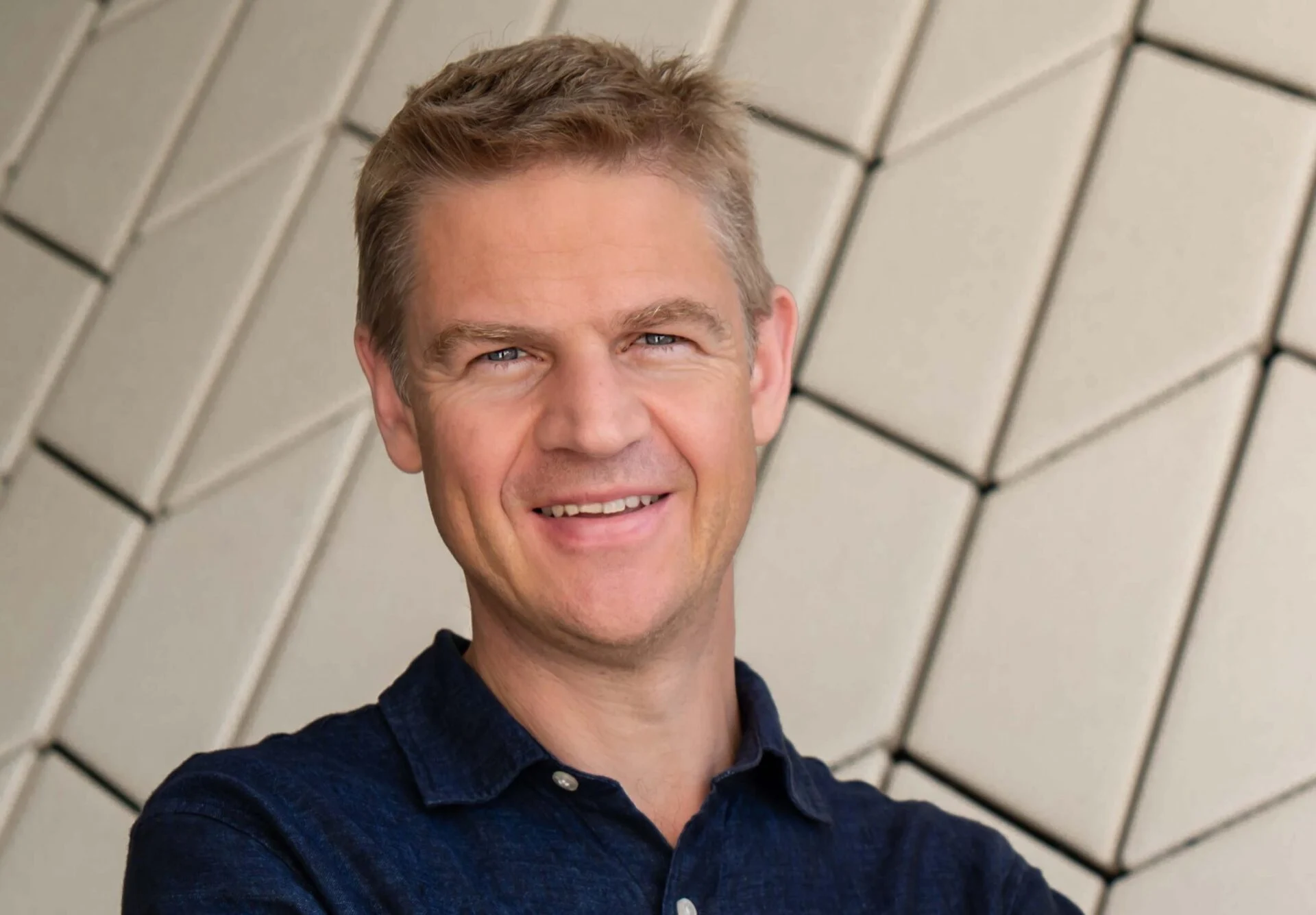
On July 31, Nigel Eccles, co-founder of FanDuel, will shut down BetHog, a crypto casino he started with several former FanDuel colleagues. This decision comes while the business is still operational and experiencing growth. Rather than a failure, the closure signals a strategic pivot. All of BetHog’s resources and insights are being integrated into Sentient Studios, a new venture aimed at a photorealistic AI dealer that can operate with no physical setting or staff involvement. Eccles sees this as a significant opportunity in his 25-year career in gambling products.
"We ran the risk that if we didn't put 100% behind it, we'd fail at AI live dealer – the one thing we were really excited about," he stated.
Eccles’ decision is rooted in the disappointing performance of BetHog, which he initially believed could succeed by offering a superior product in the crypto gaming sector. However, he discovered that the competitive landscape favored marketing over product quality. "Crypto casino doesn’t really compete on product as much as marketing," Eccles said. Despite the quality of his work, the market’s reliance on streamer deals and bonuses overshadowed the craftsmanship behind BetHog. "We can definitely carve a niche in crypto casino, but crypto casino is probably less than 10% of online casino. And we have a product here that is really unique."
The transformation began last summer when the team deployed AI dealers on BetHog. Data revealed that while traditional live dealer games cater to high rollers, the AI tables attracted a wider pool of players due to a less intimidating atmosphere. "The game plays more like an original," Eccles explained, noting that lower-stakes players felt more comfortable engaging with the AI rather than a human dealer.
Player feedback revealed another insight: many find human dealers intimidating. Eccles shared that new players often feel overwhelmed, questioning their moves at the table. Sentient capitalized on this by incorporating a feature allowing players to ask the dealer what to do, enhancing user experience.
Conversations with operators in April confirmed Sentient's potential. Many large regulated operators expressed frustration over the inflexibility of traditional live dealer systems. Eccles pointed out that rebranding a live studio typically takes months and incurs high costs, while Sentient's model could accomplish this in a matter of weeks, allowing for adaptable dealer personalities and scalability.
As interest grew and the engineering team shifted focus to the AI live dealer project, it became evident that continuing to operate two entities was no longer viable. Eccles remarked, "Gradually everybody moved over to AI live dealer, because that was the exciting thing to be working on."
The development of the AI dealer has posed its own challenges. While generating photorealistic video is relatively easy, ensuring real-time responsiveness has been complex. Eccles noted the need for swift emotional and physical reactions from the avatar. Initial models struggled with believability, leading to a more cartoonish presentation until improvements were made starting last October.
Looking ahead, competition is inevitable. Eccles acknowledges the potential for existing giants like Evolution to replicate Sentient's innovations. However, he argues that established companies may hesitate to embrace such changes due to the risk of cannibalizing their current offerings. He predicts that by 2028, AI-driven avatars could dominate the live dealer landscape, comprising 80% of the market.
Concerns regarding the authenticity of AI dealers have emerged, particularly the idea that players appreciate the live element of human dealers. Eccles countered this by arguing that interactions at public tables are often minimal. He referenced the trust challenges that emerged with live dealers, stating that while physical cards foster trust, they are not the sole means of achieving it. As the quality of Sentient's production enhances, trust in their virtual dealers has increased, aided by provably fair game mechanics.
While critics might question whether their casino operated within regulatory bounds, Eccles firmly stated that BetHog operated in uncontentious markets and sought regulatory compliance before the transition. He assured that any outstanding balances would be fully reimbursed to users.
Interestingly, Sentient faces challenges regarding the excellence of its product. Eccles pointed out that the audio quality is sometimes too high, compromising the experience's authenticity. He recalled how prior technologies, such as ATMs and self-checkouts, were initially met with skepticism but ultimately gained acceptance. He believes that customers who once vowed never to gamble against an AI might soon find themselves doing so as the market evolves.

