
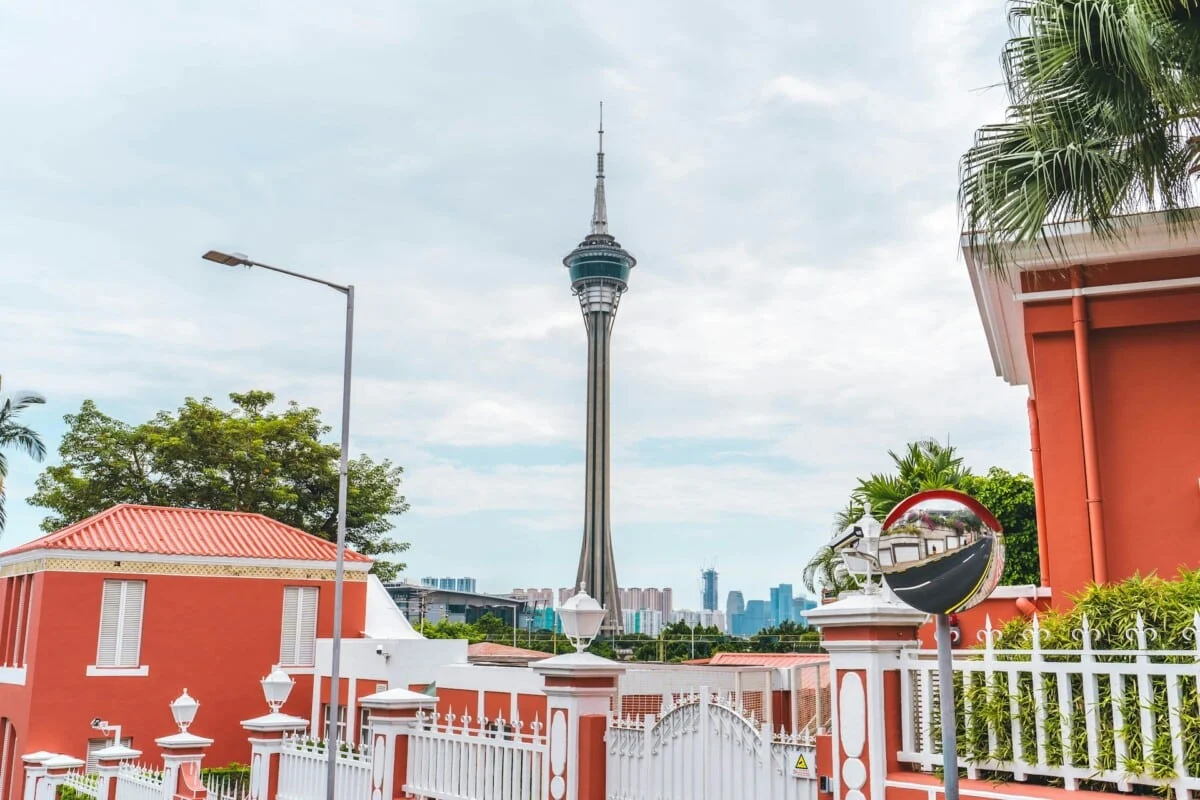
Macao's tax revenues from casinos surged over 9% year-on-year in the first half of 2026, reaching approximately $7.2 billion. According to data from the Macau Finance Bureau, reported by the local media outlet Macau Shimbun, gaming revenue taxes represented 84.6% of Macao's total tax income of $8.5 billion for the first half of the year.
This influx in gambling revenue has resulted in a strong fiscal position for Macao, with a surplus nearing $2 billion—up nearly 30% from last year's surplus. Government officials are focused on achieving a full recovery of casino revenues to pre-COVID-19 levels. Although progress has been gradual, the administration has been consistently adjusting its revenue forecasts upwards since 2023.
For 2026, Macao aims to collect more than $29 billion from casino taxes, which marks an increase of 3.5% compared to 2025. Current figures indicate a general upswing in casino performance this year, with half-year tax revenues up 4.4% over 2025, despite experiencing slowdowns in June and July. Casino executives have attributed this dip to the World Cup, noting a resurgence in business following the tournament.
Consumer spending within the region has also shown improvement, as evidenced by data from the Macau Monetary Authority. Between April and June, mobile payment transactions in Macao increased by 3% from the previous quarter, exceeding $1 billion. The total number of transactions rose by 9.7% to reach 106 million.
In a push to enhance its casino and hotel sectors, the government has approved several new integrated resort projects, most of which are nearing completion. In the Cotai District, Melco Resorts and Entertainment has announced the soft launch of the REM hotel, located in its flagship City of Dreams complex. This 149-room luxury hotel targets VIP guests and offers various amenities, including a dining area, outdoor pool, and fitness center. Initially, access to the hotel will be restricted to invited guests as part of a private program, with a public opening set for October.
Despite the casino industry's growth, government officials are striving to lessen Macao's heavy dependence on it. Ng Wai-han, Macao's Secretary for Economy and Finance, presented a new three-year plan aimed at increasing the contribution of non-gaming sectors to the gross domestic product to 60% by 2030. Studies indicate that gaming revenues currently comprise between 45% and 60% of Macao's GDP.
Ng emphasized the government's intention to strengthen non-gambling tourism and leisure sectors and enhance the competitiveness of traditional Chinese medicine and health services. Additionally, the specialized finance, high technology, sports, and conventions sectors are identified for future development, with plans to simplify regulations in these areas.
Although gaming revenues saw a slight decline in June and July, high tourism numbers suggest that an increasing number of visitors are coming to Macao for reasons outside of gaming. During the first half of this year, Macao International Airport reported that nearly 3.9 million passengers traveled through the terminal, indicating an 8% increase compared to the same period in 2025.

