
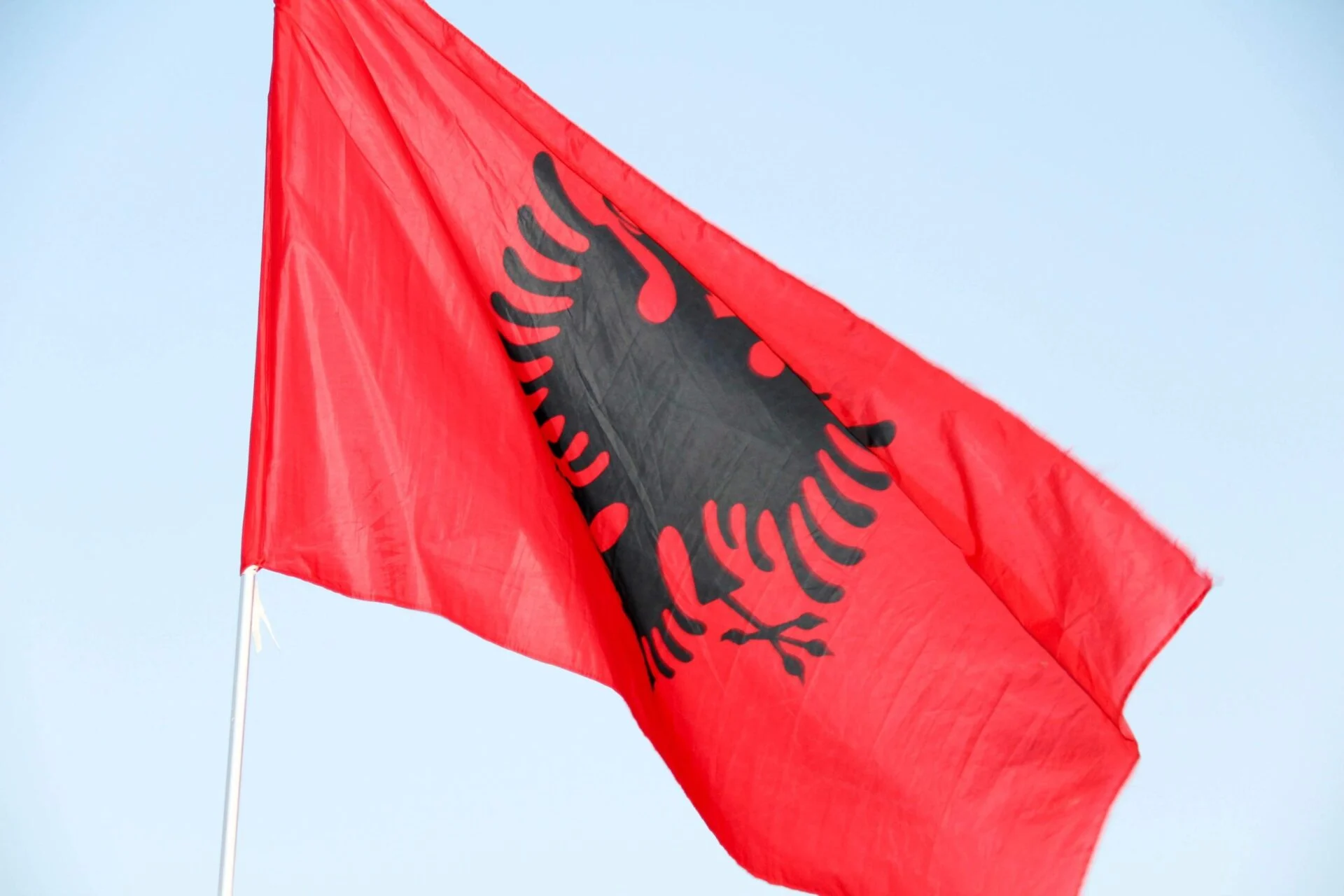
Albania has maintained a strict ban on sports betting for the last seven years, with all forms of betting, including online platforms, prohibited since 2019. However, with an estimated $126 million generated from unregulated sports betting last year, international operators may soon have a lucrative opportunity as the government signals a shift towards legalization.
In July, the Albanian government revealed it had finalized a new framework aimed at partially reopening the sports betting market. Following the completion of the licensing process, as many as 10 online operators will be authorized to accept wagers from customers in Albania.
This move has been anticipated for some time. Prime Minister Edi Rama acknowledged in 2022 that, despite the prevailing ban, online betting had continued to thrive. “We are talking about taking this activity out of the black economy and bringing the profits into the light,” he remarked, asserting that not even countries like China could enforce a complete prohibition.
Though legislation was passed in 2024 to reopen the market, expounding the details has taken over two years.
Several uncertainties linger about the forthcoming market. Specifically, questions remain about the initiation of the licensing process, the number of available licenses, and whether the prolonged ban has dampened public interest in betting.
The discourse around the banning of sports betting dates back to 2018, when Albania’s betting market was reportedly generating €700 million annually. Retail betting centers were ubiquitous, with around 4,000 shops catering to a population of just over 2.8 million. Hendri Hanaj, a partner at Hashtag Lawyers, pointed out, “There were a lot of betting offices in Albania – everywhere, near schools and in local neighborhoods,” underscoring the government's need to act as concerns over addiction and crime escalated.
Prime Minister Rama emphasized the government's zero-tolerance stance against what he described as deeply ingrained societal issues linked to gambling addiction and potential organized crime, declaring, “We are waging a frontal war with the evil entrenched deeply in our society over the years.”
However, the ban seemingly pushed betting practices underground rather than eliminating them. According to estimates from Gaming Compliance International, the unregulated online sports betting market generated $117 million in GGR in 2024, increasing to $126 million in 2025. When accounting for online casino and poker revenues, the total unregulated online GGR for last year was approximately $229 million.
The new market regulations will focus exclusively on online betting. Traditional betting shops and other forms of retail gambling will remain banned, similar to the current limitations on casinos, permitted only at select five-star hotels.
Entry into the licensed market will be strictly regulated, allowing for up to 10 licensees determined by the Licensing Commission upon initiating the application process. The government anticipates that this regime could generate around ALL2 billion (€20 million) in public revenues annually, directing 15% of GGR into a specialized fund for culture, sports, technology, and innovation.
Despite these hopeful projections, Hanaj suggests that years of prohibition could have diminished the enthusiasm for sports betting. “There is an appetite for sports, but it has faded over time,” he explained, citing generational differences in interest and activity.
The new framework will mandate strict oversight through traceability measures facilitated by digital-only betting. Players will be required to sign up with a national identity card, while cash wagering is outright prohibited. All transactions must be processed by Albanian banks or licensed money institutions.
Operators will be tasked with monitoring transactions and keeping player records for a minimum of three years, adhering to regulations regarding a national self-exclusion register. Moreover, they will need to provide information about gambling risks and available support services, although currently, Albania lacks dedicated counseling or rehabilitation facilities for gambling-related issues.
In June, the government outlined procedures for suspending or revoking licenses, with violations potentially leading to suspensions ranging from 30 days to two years. If violations continue, licenses may be rescinded altogether. Operators will also be subject to a 15% GGR tax for the special fund and standard corporate taxes, in addition to local taxes and a license fee set at a minimum of ALL400 million (€4 million).
To secure a license, operators must establish an Albanian joint-stock company, demonstrate significant gambling experience in at least three EU or OECD markets, report a turnover of at least ALL2 billion (€20 million), and possess around ALL40 million (€400,000) in share capital. Licenses will be awarded based on a points system considering offers for the license fee and other criteria, favoring large international firms.
Licensing applications will be publicly announced across multiple platforms, including two international newspapers, following the Licensing Commission's decision to open the bidding process.
Although authorities finalized the regulatory framework in July 2026, operators in the sector are awaiting clarity on the implementation timeline, as the Ministry of Finance has not provided details on when the process will officially begin. With Albania aiming for EU accession by 2030, licenses may be available within the next few years. Hanaj notes, “But that’s just my opinion.” Presently, the exact number of licenses to be granted and whether the local market will support more than a few operators remains uncertain.
However, Hanaj believes the relatively low costs associated with entering Albania’s online betting market and manageable licensing fees make it an attractive opportunity for major international players. Despite a decline in population and income levels since betting peaked in 2018, Albania has a history of surprising resilience in various economic sectors, suggesting that the market might still hold potential.

