
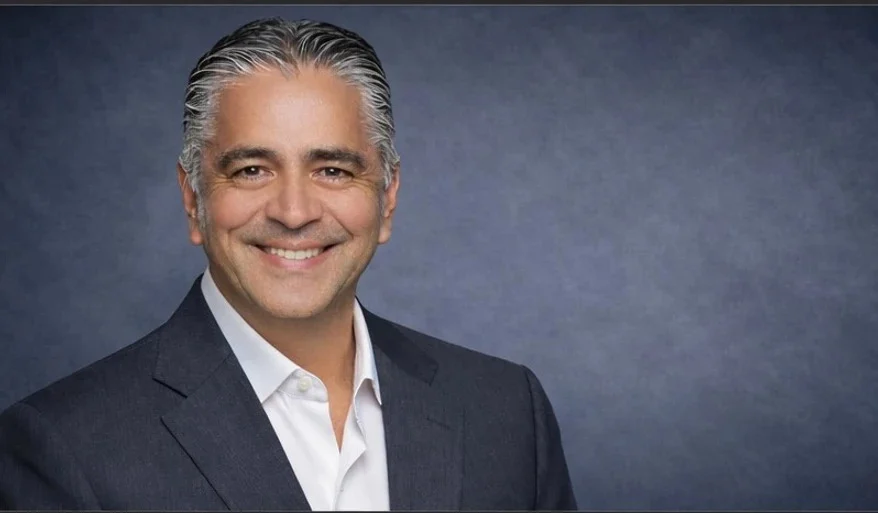
Brazil's iGaming sector is at a critical juncture, as Alex W Pariente highlights the necessity of stable regulations for the country to attract investor confidence once more. With the expiration of licenses and ongoing disputes related to Provisional Measure 1,394, Pariente structures his analysis around seven essential questions that must be addressed.
In an exclusive piece for iGaming Business, he emphasizes that the importance of legal certainty and enforcement capabilities far outstrips the need for attractive marketing or fluctuating low taxes. While he does not advocate for a specific regulatory model, Pariente asserts that Brazil already possesses the foundational elements to rejuvenate its gaming sector. The primary challenge lies in preserving existing structures while providing sustainable solutions that can convert a crisis into a promising investment opportunity.
### Seven questions Brazil must answer
As of October 25, Brazil's authorized betting market ceased to exist, following the expiration of 85 licenses under Law 14.790, which amounted to BRL2.55 billion ($476.2 million) in grants without any refunds.
The future of Provisional Measure 1.394 still hangs in the balance as Congress has yet to establish a joint committee to consider it. A public hearing on November 3, led by Minister Luiz Fux from the Supreme Federal Court (STF), will gather input from the government, associations, and clubs before he makes a decision regarding requests for suspension.
Stakeholders observing Brazil are keenly assessing the situation. Pariente's experience suggests that investment committees typically focus on seven pivotal questions:
1. **Will the liabilities from Provisional Measure 1,394 be resolved?**
– No leading operator is likely to enter a market where investors are still locked in legal battles over BRL2.55 billion. Addressing these licensing issues and the 19 active lawsuits is crucial for any future iGaming or land-based gaming model.
2. **Will the rules be established by law?**
– Changes made through law, with accompanying transitional measures and compensation guidelines, carry more weight. For instance, Spain's Supreme Court nullified advertising limits defined by decree in 2024, highlighting that such constraints require parliamentary approval.
3. **Will there be a regulator independent of government influence?**
– The UAE successfully established a federal regulator in 2023 before issuing its first license in 2024. Brazil already has a Secretariat for Prizes and Bets with data and payment control systems developed swiftly. However, it needs a technical mandate and stability to function effectively.
4. **Is the concession model compatible with the investment timeframes?**
– In Macau, concessions were renewed in 2022 for a decade with investments reassessed. Italy has begun issuing online licenses valid for up to nine years. Clear renewal periods and regulations from the outset are crucial for integrated resorts in Brazil.
5. **Will the tax burden remain constant?**
– Investors favor predictable tax structures over potentially volatile low rates. For example, Colombia introduced a 19% VAT on online gambling via emergency decree, but it was overturned in 2026 by the Constitutional Court, which mandated the return of collected funds.
6. **Will capital movement be secure?**
– Brazil has a modern exchange rate framework since late 2022. Investors need assurance that this will apply to the gaming sector, particularly regarding dividend repatriation.
7. **Who will address the ongoing demand?**
– Projections from H2 Gambling Capital suggest the unlicensed market could swell from roughly BRL17 billion to BRL42 billion. The Philippines, after banning online operators targeting foreign markets in 2024, needed a new law in 2025 to enforce the prohibition. Any new model in Brazil must plan for demand management and regulation costs.
These questions, relevant to potential regulatory frameworks, hinge on the consistency of rules in place. Brazil has some groundwork laid, including the 2023 law, an operational regulator, a viable exchange rate system, and a new generation of professionals adept in compliance and responsible gaming,
Ultimately, Pariente Advisory maintains neutrality on Brazil's future gaming model. With the election concluded, the ultimate direction lies in the hands of institutional decisions. For external observers, the responses to these seven inquiries will matter more than any public announcements. Positive answers could signal that the 2026 crisis may be the dawn of a market that reflects Brazil's true potential.

