
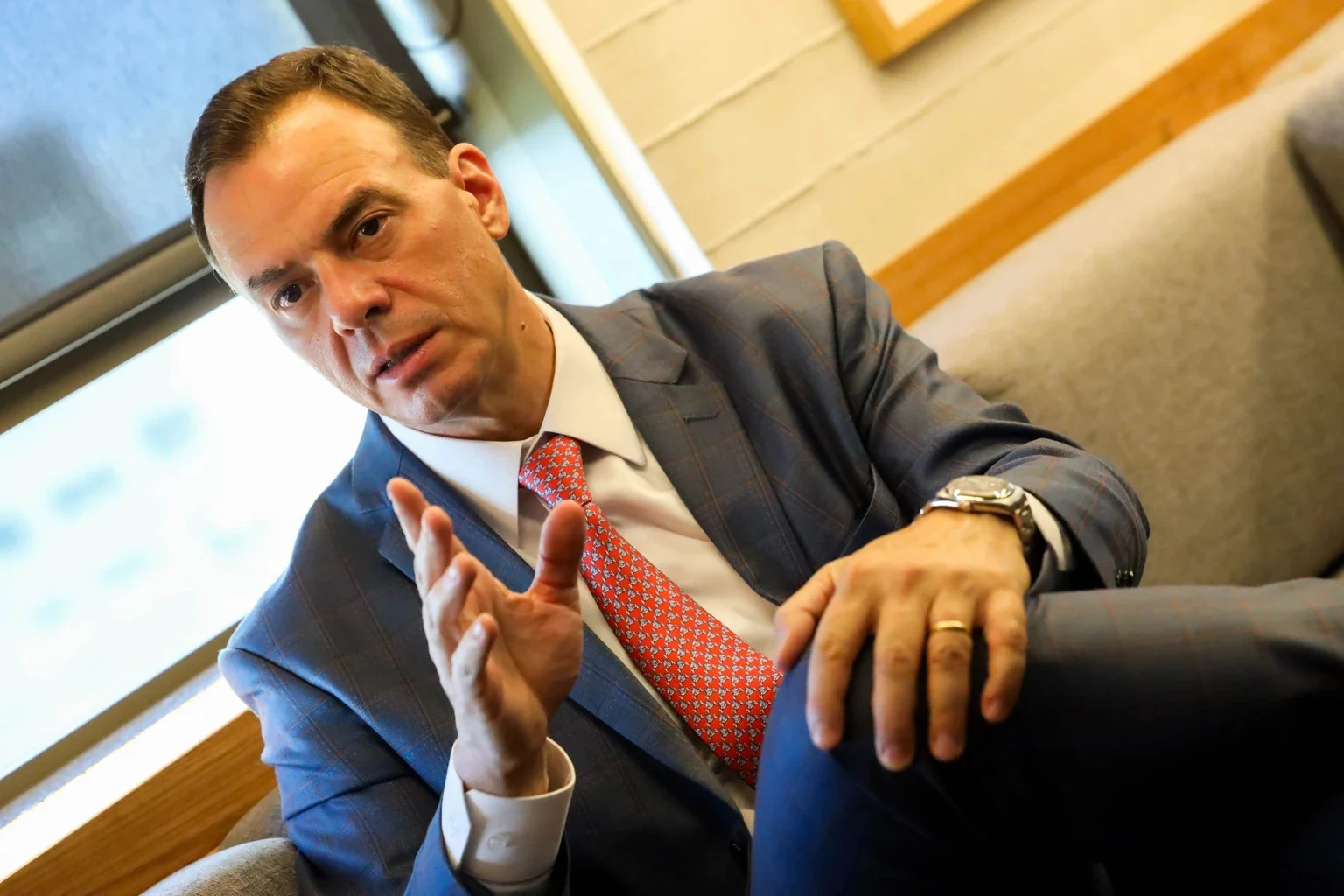
In a recent discussion, Plínio Lemos Jorge, the president of the National Association of Legalized Gaming (ANJL), emphasized the rapid growth of Brazil's betting industry and the significant increase in collected revenues during the first five months of the year. He noted, "We went from BRL3.1 billion ($620 million) between January and May 2025 to BRL5.89 billion this year," indicating that this surge showcases the sector's economic and social importance. Lemos Jorge attributes this growth in part to the World Cup, which occurred in a newly regulated market. He stated, "Football brought consumers closer to responsible entertainment platforms."
Lemos Jorge pointed out that licensed operators strictly adhered to rules set forth for the tournament, emphasizing the integrity of the sector. He remarked, "The SPA reinforced requirements regarding integrity, advertising, and communication prior to the competition," which he considers essential for the sustainability of the industry.
He also highlighted initiatives that connected digital brands with consumers physically in bars and restaurants, creating engaging experiences outside of digital platforms.
Regarding new federal advertising regulations, Lemos Jorge views these as a vital measure for both bettors and operators, arguing that clearer and more responsible advertising guidelines are crucial at this juncture. In contrast, he criticized local bans on advertising in public spaces, suggesting that such measures lead to legislative confusion and could create legal uncertainty for operators. He maintained, "Divergent local rules could create legislative confusion and legal uncertainty for operators."
As political pressure mounts in the lead-up to elections, he believes the industry must demonstrate resilience and uphold a commitment to responsible gaming. "Once this turbulent period passes, we believe the market will likely face less criticism," he predicted.
Lemos Jorge identified illegal websites as a significant threat to the sector, warning that they could proliferate if regulations make the legal market unsustainable. He stressed, "We cannot let our guard down. What encourages us is that the government, as a whole, has recognized the need to combat this issue."
In responding to inquiries about the impact of the World Cup on the regulated market, Lemos Jorge stated that while official figures for June have yet to be released, the event undoubtedly influenced revenue outcomes. He characterized soccer as a deeply ingrained passion among Brazilians, asserting that the event offered fans an opportunity to explore the entertainment of regulated betting.
On the performance of the regulated sector during the World Cup, he confirmed that all operators complied with strict regulatory requirements. He stated, "This encompasses not only Law No. 14.790/2023 but also the ordinances issued by the Secretariat of Prizes and Bets (SPA)."
As part of the World Cup, he noted positive engagements such as partnerships with local businesses and outreach to fans, which fostered closer connections with the betting community. He insisted that transparency and balance should always direct the actions of the sector.
Addressing earlier criticisms about industry advertising during the World Cup, Lemos Jorge responded that any lapses, if they occurred, would be scrutinized by relevant authorities. He argued that established rules provided no justification for non-compliance.
With respect to the recent tightening of advertising regulations, he is optimistic, seeing them as protective measures for both consumers and operators. He expressed concern over local bans on advertising, stating that such laws could lead to confusion and uncertainty in the industry, as Article 22 of the Constitution assigns exclusive authority over commercial advertising to the federal government.
As Brazil approaches a politically charged second half of the year, Lemos Jorge cautioned that the betting industry should stay strong amid mounting criticism as candidates ready for the election. He anticipates that once the political climate stabilizes, the betting market will achieve greater integration into Brazilian society.
Illegal websites continue to dominate the Brazilian market, accounting for nearly half of online gaming. Lemos Jorge warned that without sustainable regulations, this share may grow. Despite recent reductions in illegal activity, he affirmed the ongoing commitment to combatting illicit platforms, highlighting a collaborative effort between ANJL, Anatel, and the SPA to monitor and manage market integrity.

