
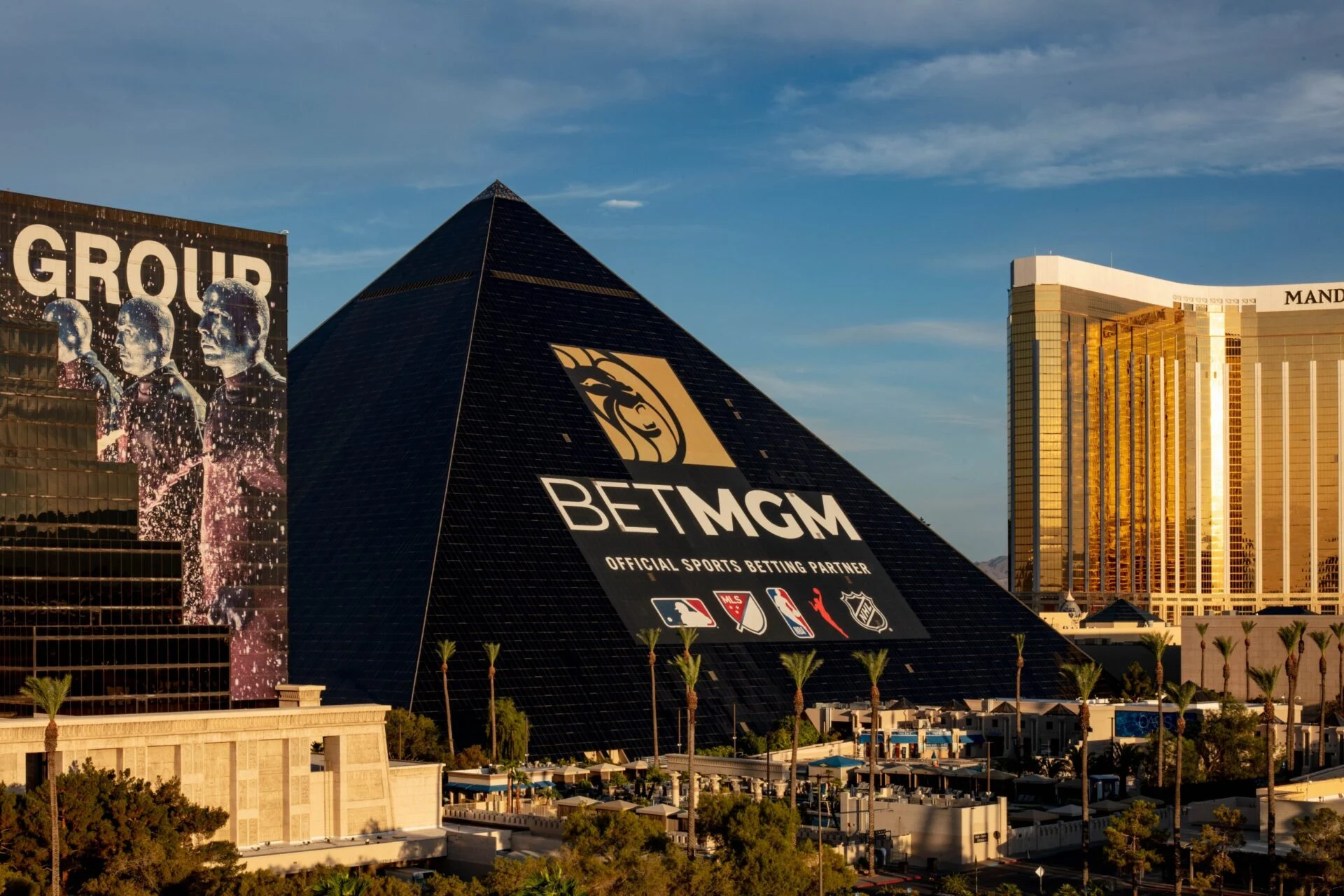
On Wednesday, MGM Resorts announced that its largest shareholder, Barry Diller's People Inc, has withdrawn an $18 billion takeover bid submitted in June. With both parties expressing confidence in MGM's capability to thrive independently, this development marks a significant shift in the operator's strategic outlook.
After the news, shares of People Inc remained steady, while MGM's stock experienced a decline, dropping 11% to about $33.50. Diller's proposal was to acquire the 73% of MGM shares not already held by People Inc at $48.30 per share. This bid initially boosted MGM’s stock price in line with the offer, but shares have since fallen nearly 25% over the past month. Under the proposed acquisition, MGM would have transitioned to a private entity within People’s public investment portfolio.
Barry Diller, 84, remarked on the attractiveness of MGM's physical assets amidst a rapidly evolving technological landscape, particularly one influenced by advancements in AI. Despite the bid failing, Diller stated that People Inc remains "open to" potential discussions in the future.
"There are lots of ingredients that go into a proposal of this kind on its way to completion," Diller explained. "We didn’t feel the mix was coming together in the way we had hoped and have decided not to pursue taking the company private at this time."
MGM Chairman Paul Salem responded by reaffirming the board's excitement about MGM’s trajectory as an independent entity. He emphasized the company’s strong position in Las Vegas, its successful regional properties, and the ongoing growth of BetMGM as evidence of the value MGM provides its shareholders. Salem also highlighted MGM’s strengths in Macau and the upcoming MGM Osaka project, which is slated to open in 2030.
Reactions from analysts were generally subdued following the announcement. Chad Beynon from Macquarie retained an "Outperform" rating, while Barry Jonas of Truist maintained a "Buy" rating, both setting a price target of $55.
Beynon pointed out the financial challenges associated with executing such a large-scale acquisition, suggesting that the deal's collapse stemmed from complexities in financing rather than a shift in MGM's intrinsic value. He mentioned that MGM's implied enterprise value, estimated at about $5.9 billion, represents a significant discount compared to the range of its physical and digital assets.
As the U.S. money market faces increasing uncertainty, inflation remains elevated, and the Federal Reserve recently raised interest rates for the first time in three years, raising the prospect of additional hikes before the year concludes. U.S. Treasury yields are climbing, with the 30-year yield hitting levels not seen since 2004.
Financing conditions have directly impacted Fertitta Entertainment’s acquisition strategy, which aims to acquire Caesars Entertainment for $17.9 billion, paralleling the scale of the MGM proposal. Fertitta has maintained its $31-per-share offer amid financing challenges for its $6.6 billion deal.
Jonas noted that People Inc’s decision to withdraw from negotiation was not unexpected given the declining share price relative to the bid amount. He further mentioned the regulatory complexities surrounding MGM could have posed significant challenges for People Inc, particularly due to its lack of experience in the gaming sector.
Looking ahead, MGM must address various operational factors as it continues without Diller's influence. The company has excelled in the luxury market in Las Vegas, although lower-end properties like Luxor and Excalibur are facing hurdles. In Q2, MGM recorded $2.2 billion in revenue from Las Vegas, with an adjusted EBITDA of $735 million, despite sustained inquiries from analysts about market performance.
COO Ayesha Molino indicated that MGM is witnessing robust demand in the luxury segment, but acknowledged that its budget models are under pressure.
On the regional front, MGM's same-store quarterly revenue reached a record $904 million in Q2. Its Maryland property, MGM National Harbor, is expected to benefit from the future construction of a new Sphere venue nearby, although that facility is not expected to open until 2030. MGM Springfield is currently embroiled in legal disputes with the city of Springfield regarding alleged violations of their host community agreement. Additionally, MGM withdrew its application last year for a full commercial license for its Empire City racino in New York.
Digitally, MGM’s BetMGM joint venture is well-positioned but may face pivotal decisions soon, especially as competitors like FanDuel, DraftKings, and Fanatics engage with prediction markets — something BetMGM has cautiously avoided due to potential conflicts with MGM’s casino licenses.
In Asia, MGM China has maintained stability in Macau, but its future focus is directed towards MGM Osaka, which will be the only licensed project in Japan, albeit still four years from completion. Japanese officials have also announced plans for another bidding round for licenses next year, potentially intensifying future competition.

