
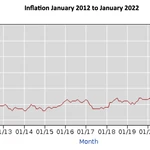
An analysis of data over the past decade reveals significant economic shifts. Between 2012 and 2021, inflation remained around 2%, but by January 2022, it surged past 6% and reached 8.6% by May. This inflationary trend is attributed to supply chain disruptions stemming from the Covid pandemic, as well as the impact of the Russian invasion of Ukraine, which caused volatility in energy prices and affected consumer energy costs.
In the United Kingdom, the scenario mirrors that of the U.S. After the worst of the Covid-19 pandemic, casinos in the U.S. reopened, showcasing impressive growth in Gross Gaming Revenue (GGR), often exceeding pre-pandemic figures, fostering a sense of optimism in the industry.
During this period, sports betting expansion continued to thrive, and gaming stocks rebounded thanks to the recovery in GGR and improved margins achieved through workforce reductions and the scaling back of less critical amenities. This trend held true in the early post-pandemic phase, despite ongoing supply chain issues, labor shortages, and a slight rise in inflation. However, the situation was complicated by the aftermath of the Russian invasion of Ukraine, leading to rampant inflation as oil prices soared and gasoline costs increased sharply in the U.S.
For land-based gaming, the outlook has become increasingly troubling. Rising inflation has been accompanied by a decline in disposable income, which had generally risen over the past few decades but saw a downturn between July 2021 and April 2022. Projections hint at a continued decline, marking the first sustained drop in disposable income since 2013.
This trend indicates that GGR growth for both land-based and online gaming may slow significantly in the upcoming months, particularly for land-based gaming. U.S. regional casinos typically draw patrons from expansive areas, often servicing markets that require two hours or more of travel time. With gasoline prices having doubled, an increasing number of potential visitors may opt out of making the journey to casinos.
Casinos located in major population centers may feel minimal impact, but those further from core markets could face considerable challenges. The overall rise in inflation and decreased disposable income could lead to a decline in GGR growth for land-based venues, which had experienced continuous growth for the past two decades.
Early signs of this trend are already surfacing. Derek Stevens, owner of three properties in downtown Las Vegas, noted in a CNBC article that ATM cash withdrawals in casinos have begun to decline. Downtown Las Vegas, which relies heavily on visitors driving in from California, is particularly vulnerable to rising gasoline prices. Thus, regional casinos, which depend on daytrippers, may experience even greater difficulties.
Preliminary May GGR results showcase these shifts: out of 18 commercial gaming states, GGR increased in only eight states while declining in 10 compared to the previous year. Notable declines included Connecticut (-11%), Indiana (-11%), Louisiana (-9%), Mississippi (-8%), New Mexico (-5%), and Iowa (-5%). Connecticut's tribal casinos, which count heavily on the drive-in market from New York City and Boston, experienced an 11% GGR decrease in May, potentially signaling broader industry issues as initial reports for June indicate ongoing declines and possibly accelerating trends.
The American Gaming Association reported a record three months of revenue through May 2022 yet highlighted concerning trends: slot GGR fell by 0.1% year-over-year to $2.94 billion while table game GGR increased by 11% to $873.9 million. Sports betting GGR rose by 78% year-over-year to reach $487.5 million, and igaming GGR grew by 31% to $406.4 million. Despite the growth in table games, the overall land-based GGR rose by only 1.5% from the previous month.
Land-based gaming still accounts for over 70% of total U.S. gaming revenue, and while sports betting and igaming are gaining attention, igaming actually saw a decline of 2.4% in May, while sports betting's growth was recorded at 5.1%. Given that sports betting comprises only 7-8% of total U.S. GGR, drawing conclusions solely from its monthly performance can be misleading due to the variable sports calendar and the evolving landscape of new markets.
The notion of the U.S. casino market being recession-proof has been disproven; therefore, pervasive inflation, intensified by soaring gasoline prices, is likely to lead to stock declines for commercial operators as consumers brace for inflationary effects. This trend has already been notable: Caesars Entertainment's stock plummeted by 57% between January 3 and June 24 of this year, while Bally's fell by 46% and both Penn National Gaming and MGM Resorts saw shares drop by 44%. The S&P 500, for comparison, decreased by only 20% during the same timeframe.
For tribal casinos, declines in GGR signify an existential threat, impacting not only the overall value but also tribal services that directly affect community members. In contrast, increased gasoline prices and reduced travel for land-based gaming could allegedly benefit igaming, as players turn to online options. However, the combined effect of decreasing disposable income and rising inflation across various essential items adds pressure on igaming GGR prospects.
Early indicators suggest a decline in igaming revenue may be occurring, particularly in leading states, although confidence in these findings remains tentative. Data from Michigan, Pennsylvania, New Jersey, and Connecticut shows reductions in igaming revenue from March to June 2022, with overall declines by 8.6% across these states. Pennsylvania reported a 12.9% decrease, Connecticut saw an 11.4% drop, and both Michigan and New Jersey experienced declines of 7.7% and 5.3%, respectively.
While variations could be part of a maturing igaming market or seasonal factors, this decline is concerning against a backdrop of prior revenue growth. The next quarter's revenue data will be crucial in establishing any consistent trends moving forward.

